
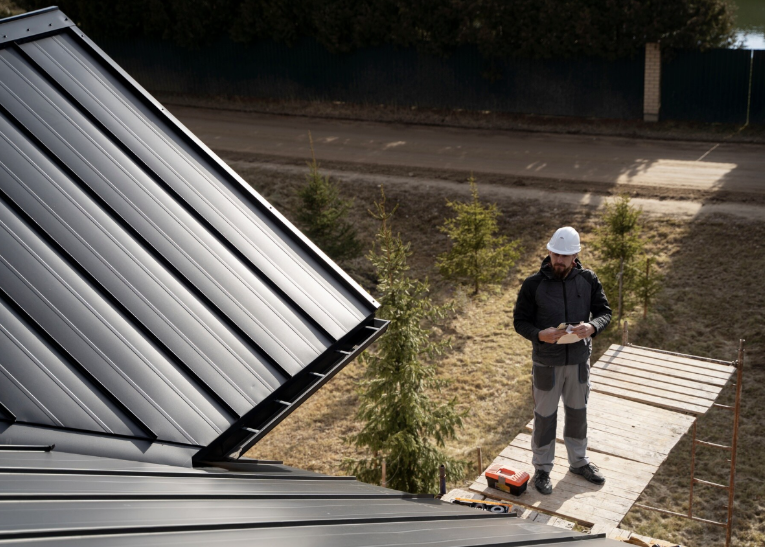

Choosing between a flat roof and a sloped roof is one of the most important decisions you’ll make for your commercial building. The roof protects your investment, employees, inventory, and operations from the elements.
Each roof type offers distinct advantages and challenges. Understanding these differences helps you select the option that best serves your business needs, budget, and long-term goals.
Whether you’re constructing a new facility or replacing an existing roof, this decision impacts your building’s functionality, maintenance costs, energy efficiency, and overall value for decades to come.
Partnering with a trusted commercial roofing company Erie Colorado ensures your business gets expert advice designed for local weather, building regulations, and industry-specific needs, helping your roof perform better and last longer.
Let’s explore what business owners and facility managers need to know about flat and sloped roofing systems.
Understanding Flat Roofs
What Defines a Flat Roof
Flat roofs aren’t completely flat; they have a slight pitch (typically 1/4 inch per foot) that allows water to drain toward designated points. This minimal slope is nearly imperceptible but essential for water management.
The flat roof design has been a commercial building staple for decades, particularly for warehouses, retail stores, office buildings, and industrial facilities.
Modern flat roofing systems use various materials, including single-ply membranes (TPO, PVC, EPDM), built-up roofing (BUR), modified bitumen, and spray polyurethane foam.
Primary Advantages of Flat Roofs
Cost-effectiveness makes flat roofs attractive for businesses. They require fewer materials than sloped roofs of the same square footage. Installation is generally faster and less labor-intensive, reducing overall project costs by 10-20% compared to sloped alternatives.
Usable space is a significant advantage. Flat roofs create opportunities for rooftop HVAC equipment placement, keeping noisy, bulky units out of valuable ground-level space. This is particularly beneficial for urban businesses with limited property footprints.
Many business owners transform flat roofs into functional areas, rooftop patios for employees, green roofs with vegetation, solar panel arrays, or additional storage space. This versatility maximizes the building’s total usable area.
Accessibility simplifies maintenance and inspections. Workers can safely walk across flat surfaces to inspect, repair, or service rooftop equipment. This ease of access reduces maintenance costs and encourages regular inspections that prevent minor issues from becoming major problems.
Energy efficiency potential exists with flat roofs when paired with reflective “cool roof” coatings. These white or light-colored surfaces reflect sunlight rather than absorbing heat, reducing cooling costs by 10-30% in warm climates.
Challenges of Flat Roofs
Drainage concerns top the list of flat roof challenges. Without significant slope, water naturally pools in low spots. Poor drainage leads to standing water, which accelerates roof deterioration, creates leaks, and adds excessive weight that stresses structural supports.
Proper drainage design with adequate roof drains, scuppers, and gentle sloping is essential. Regular maintenance to keep drains clear prevents water backup.
Shorter lifespan compared to some sloped roofing materials is a consideration. Flat roof membranes typically last 10-25 years depending on material type and maintenance quality. Sloped roofs with metal or tile can last 30-50+ years.
Maintenance requirements are more intensive. Flat roofs need regular inspections (at least twice yearly) to check for membrane damage, ensure proper drainage, and address small problems before they worsen. Debris removal is essential to prevent drain blockages.
Weather vulnerability affects flat roofs more than sloped designs. Snow accumulation adds significant weight. Heavy rainfall can overwhelm inadequate drainage systems. Without gravity helping water run off quickly, weather-related damage risks increase.
Understanding Sloped Roofs
What Defines a Sloped Roof
Sloped roofs have pitches ranging from moderate (4:12, meaning 4 inches of rise per 12 inches of horizontal run) to steep (12:12 or greater). This significant angle allows gravity to efficiently shed water, snow, and debris.
Common commercial sloped roof materials include metal panels, asphalt shingles, clay or concrete tiles, slate, and standing seam metal systems.
Primary Advantages of Sloped Roofs
Superior water management is the fundamental benefit of sloped roofs. Gravity naturally moves water off the roof surface quickly, preventing standing water and the problems it creates. Rain, snow, and ice slide off before causing damage.
This inherent drainage advantage reduces leak risks and extends roof lifespan significantly.
Longer lifespan makes sloped roofs economically attractive despite higher initial costs. Metal roofing lasts 40-70 years. Clay tiles last 50-100 years. Even quality asphalt shingles last 20-30 years. These extended lifespans often offset higher installation costs over the building’s lifetime.
Lower maintenance needs appeal to businesses wanting to minimize ongoing costs. Sloped roofs naturally shed debris and resist water accumulation, reducing inspection frequency and repair needs. Once installed, they typically require minimal attention for years.
Enhanced curb appeal matters for customer-facing businesses. Sloped roofs offer architectural interest and visual appeal that flat roofs can’t match. For retail locations, restaurants, office buildings with client visits, or any business where appearance influences customer perception, sloped roofs enhance property aesthetics and value.
Better insulation opportunities exist with sloped roofs. The attic or space between the ceiling and the roof deck provides natural insulation and ventilation space. This thermal barrier reduces heating and cooling costs while preventing moisture buildup that damages roof structures.
Challenges of Sloped Roofs
Higher initial costs create budget concerns. Sloped roofs require more materials to cover the same building footprint. The angled installation demands more labor time and specialized skills. Total installation costs typically run 15-30% higher than comparable flat roof systems.
Limited usable space means you can’t place HVAC equipment or utilize the roof surface functionally. All equipment must be located at ground level or inside the building, consuming valuable space.
The complexity of installation requires experienced contractors with sloped roofing expertise. Working on angled surfaces increases safety risks and demands proper equipment. Finding qualified installers may be more challenging in some areas.
Difficult access for maintenance makes inspections and repairs more challenging. Safety equipment is necessary for workers accessing sloped surfaces. This increases maintenance costs and may discourage regular inspections.
Cost Comparison: Beyond Installation
Initial Investment Differences
For a typical 10,000-square-foot commercial building:
Flat roof installation might cost $40,000-$70,000 depending on membrane type and local labor rates. TPO and EPDM membranes fall at the lower end. PVC and spray foam systems cost more.
Sloped roof installation for the same building typically runs $55,000-$90,000 or more. Metal roofing costs more than asphalt shingles but less than tile or slate. Complex architectural designs increase costs.
These ranges vary significantly based on location, material choices, building height, accessibility, and current market conditions.
Long-Term Cost Considerations
Maintenance expenses differ substantially. Flat roofs typically require $1,000-$3,000 annually for inspections, minor repairs, and drain cleaning. Sloped roofs might need only $300-$800 annually for basic inspections and minor repairs.
Repair costs vary by damage type and severity. Flat roof membrane repairs average $500-$2,000 per incident. Sloped roof repairs (replacing damaged shingles or panels) typically cost $400-$1,500.
Replacement timing affects lifetime costs. If a flat roof lasts 20 years and a metal sloped roof lasts 50 years, you’ll replace the flat roof 2.5 times in the period the metal roof serves. Multiple replacement costs add up significantly.
Energy costs influenced by roof type can save or cost thousands annually. Reflective flat roofs reduce cooling costs in hot climates. Well-insulated sloped roofs reduce both heating and cooling expenses in variable climates.
Calculate the total cost of ownership (installation + maintenance + repairs + energy costs + replacement) over 30-50 years for accurate comparison.
Climate Considerations for Your Location
How Weather Impacts Roof Performance
Snow-prone regions strongly favor sloped roofs. Heavy snow accumulation on flat roofs creates dangerous loads. The additional weight stresses structural supports and can cause collapse in extreme cases.
Even with proper engineering for snow loads, removing accumulated snow from flat roofs is expensive and potentially dangerous. Sloped roofs naturally shed snow, eliminating these concerns.
High-rainfall areas also benefit from sloped roofs’ superior water management. Intense or prolonged rainfall can overwhelm flat roof drainage systems, leading to leaks and water damage.
Hot, arid climates allow flat roofs to perform excellently, especially with reflective coatings. Minimal precipitation means drainage concerns are less critical. The reflective surface reduces cooling costs substantially.
Hurricane or high-wind zones present challenges for both roof types. Properly installed and secured roofs of either style can withstand high winds, but installation quality becomes critical. Sloped roofs may experience more wind uplift on the windward side. Flat roofs can suffer membrane blow-off if not adequately secured.
Tornado-prone areas don’t strongly favor one roof type over another. Both can be damaged by tornadic winds. Proper engineering and installation matter more than roof style.
Colorado-Specific Considerations
Colorado’s climate presents unique challenges. Heavy spring snows, intense summer sun, dramatic temperature swings, and occasional severe storms affect roof performance.
The region’s high altitude intensifies UV exposure, degrading some roofing materials faster than at sea level. This particularly affects flat roof membranes, which may need replacement 10-20% sooner than in lower-altitude locations.
Winter freeze-thaw cycles stress roofs as trapped moisture expands and contracts repeatedly. Proper drainage and ice dam prevention become essential for both roof types.
Building Use and Functional Requirements
How Business Type Influences Roof Choice
Warehouses and distribution centers typically choose flat roofs for cost efficiency and simplicity. These buildings prioritize function over appearance. The minimal roof cost allows budget allocation to other critical systems.
Retail stores and restaurants often prefer sloped roofs for aesthetic appeal. Customer perception matters in these industries. An attractive building exterior influences shopping and dining choices.
Manufacturing facilities frequently select flat roofs to accommodate heavy rooftop equipment, large HVAC systems, exhaust fans, and dust collection systems without compromising ground-level production space.
Office buildings vary based on market positioning. Professional services firms in competitive markets may choose architecturally appealing sloped roofs. Back-office or industrial office buildings often select economical flat roofs.
Medical facilities and laboratories often need flat roofs to support specialized HVAC and ventilation equipment. The critical nature of climate control and air quality management requires accessible, serviceable rooftop systems.
Future Expansion Plans
Consider growth plans when selecting roof types. Adding second stories or expanding vertically is easier with flat roofs. Sloped roofs create architectural complications when adding height.
Conversely, if you plan to add solar panels eventually, calculate which roof type accommodates panels more efficiently. Flat roofs allow optimal panel angle adjustment. South-facing sloped roofs may provide ideal angles without adjustment, but north-facing slopes are inefficient.
Maintenance Requirements and Accessibility
Flat Roof Maintenance Needs
Regular inspections should occur at least twice yearly, in the spring and fall. Post-storm inspections after severe weather are also recommended.
Inspectors check for membrane damage (tears, punctures, blisters), ensure drains and scuppers flow freely, look for ponding water that lasts more than 48 hours, examine flashing around penetrations and edges, and assess overall membrane condition.
Debris removal is essential. Leaves, branches, and dirt accumulate on flat surfaces. This debris blocks drains, retains moisture against the membrane, and accelerates deterioration.
Minor repairs should happen promptly when damage is discovered. Small membrane patches cost hundreds of dollars. Ignored damage spreads, eventually requiring sections or full replacement at thousands or tens of thousands.
Sloped Roof Maintenance Needs
Annual or bi-annual inspections typically suffice for sloped roofs in good condition. Visual inspection from ground level catches obvious problems. Professional roof inspections every 3-5 years provide thorough assessment.
Inspectors look for damaged, missing, or curling shingles/panels, damaged or deteriorated flashing, signs of rust (on metal roofs), cracked or broken tiles, and evidence of water infiltration in attic spaces.
Gutter and downspout maintenance becomes critical with sloped roofs. Clogged gutters overflow, allowing water to damage fascia, soffits, and building foundations. Clean gutters twice yearly in most climates.
Vegetation control prevents moss and algae growth that deteriorates roofing materials. Overhanging tree branches should be trimmed to prevent physical damage and minimize debris accumulation.
Making the Right Choice for Your Business
Key Decision Factors
Budget constraints often determine roof type initially. If upfront costs must stay minimal, flat roofs win. If you can invest more initially for long-term savings, sloped roofs may prove more economical.
Building aesthetics and branding matter for customer-facing businesses. Your roof contributes to brand image and customer perception. Don’t underestimate this psychological factor.
Local climate patterns strongly influence which roof type performs better and lasts longer in your specific location. Research how each roof type handles your area’s typical weather patterns.
Available maintenance resources affect long-term satisfaction. If you have facilities staff who can perform regular inspections and minor repairs, flat roofs work well. If you prefer minimal maintenance involvement, sloped roofs are appealing.
Building codes and regulations may restrict or require specific roof types. Verify local requirements before finalizing decisions.
Insurance considerations sometimes factor in. Some insurers charge different rates based on roof type, especially in weather-prone regions. Check with your commercial insurance provider.
Consulting with Roofing Professionals
Professional roofing contractors assess your specific situation, building structure, intended use, budget, climate, and long-term plans to recommend optimal solutions.
Request consultations from multiple contractors. Compare their recommendations, explanations, and proposed solutions. Reputable contractors explain why they recommend specific systems for your unique circumstances.
Ask for references from similar businesses with similar roof types. Seeing real-world performance helps you understand what to expect.
The Bottom Line
Neither flat nor sloped roofs are universally superior. Each excels in specific situations and serves different business needs effectively.
Flat roofs offer cost efficiency, usable space, and practical simplicity ideal for warehouses, manufacturing, and budget-conscious businesses in moderate climates.
Sloped roofs provide superior longevity, minimal maintenance, excellent weather resistance, and aesthetic appeal perfect for customer-facing businesses, snow-prone regions, and long-term value seekers.
Evaluate your business priorities, budget realities, climate challenges, and long-term plans to determine which roof type aligns with your needs. The right choice protects your investment and serves your business well for decades.
Make this decision thoughtfully with professional guidance. Your roof is one of your building’s most critical components, deserving careful consideration and quality installation regardless of which style you choose.
