


The story of Douglas Eugene Franco is more than the life of a father—it is the story of how a quiet entrepreneur and devoted parent helped raise a family that would take the spotlight. Though his name may not be as widely known as his sons’, Douglas Eugene Franco left a lasting legacy through his work, his values, and the way he shaped the lives of James Franco, Dave Franco, and Tom Franco.
Quick Bio for Douglas Eugene Franco
| Category | Details |
|---|---|
| Full Name | Douglas Eugene Franco |
| Date of Birth | February 20, 1948 |
| Place of Birth | Glencoe, Illinois, USA |
| Date of Death | September 26, 2011 |
| Age at Death | 63 years |
| Cause of Death | Heart attack |
| Nationality | American |
| Occupation | Silicon Valley businessman, entrepreneur |
| Known For | Father of actors James, Dave, and Tom Franco |
| Spouse | Betsy Verne Franco |
| Children | James Franco, Dave Franco, Tom Franco |
| Education | MBA (Harvard University, reported) |
| Notable Ventures | SecureBox Corporation, Orchard International |
Early Life and Roots
Born on 20 February 1948 in Glencoe, Illinois, Douglas Eugene Franco entered a world far removed from the film sets his children would later know. His family heritage included Swedish and Portuguese roots, giving him a diverse cultural background. As a young man, he pursued his studies with vigor and later earned an MBA, laying the foundation for a career that would blend business with service and family.

Career and Silicon Valley Business
As the decades moved on, Douglas Eugene Franco found his professional home in the heart of innovation — Silicon Valley. He became a businessman and entrepreneur who helped launch ventures like SecureBox Corporation, a technology and security-oriented company, and Orchard International, a humanitarian project aimed at delivering aid. These initiatives showed how Douglas Eugene Franco combined the drive of business with the heart of giving.
He wasn’t on movie sets himself, but his work freed his family to explore the creative world. His support of his sons’ choices—especially James Franco, who would go on to star in films like “127 Hours” and “Pineapple Express”—stands as a reflection of his beliefs in bravery, curiosity, and self-reinvention.
Family Life and Influence
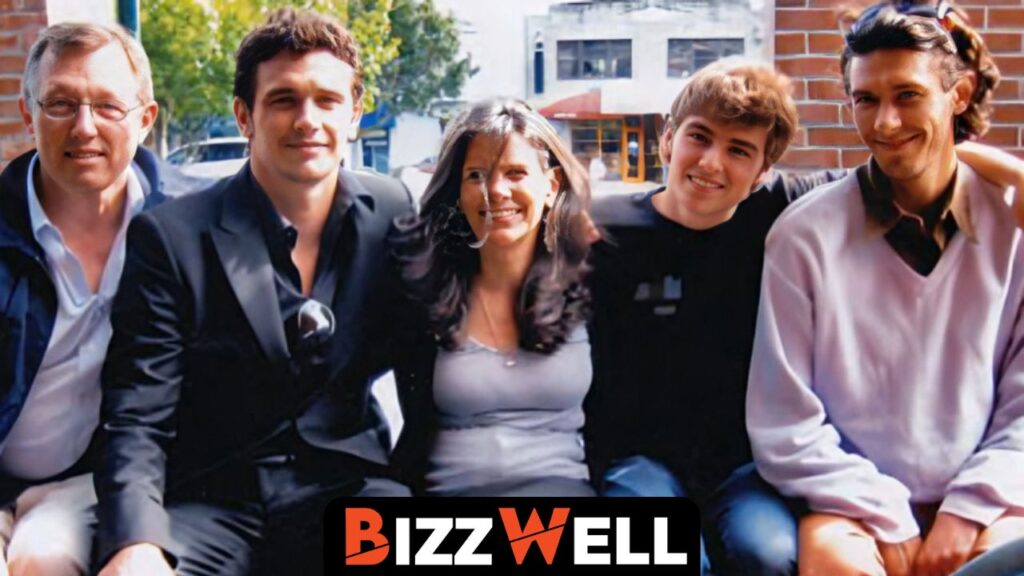
When Douglas Eugene Franco married Betsy Verne, the future mother of his children, he also welcomed a lifetime of creative exploration. Betsy, a children’s-book author, encouraged imagination at home. Together they raised three sons: James Franco, Dave Franco, and Tom Franco in Palo Alto, California.
While his sons pursued acting and art, Douglas Eugene Franco provided a steady, loving environment. He meditated, traveled, supported his children’s education and artistic endeavors—and in doing so, modeled a unique combination of stability and adventure. His home became a place where performance-capturing cameras co-existed with technology blueprints and entrepreneurial ideas.
Father of James Franco and What That Means
For actor James Franco, the presence of his father, Douglas Eugene Franco, was transformational. James has spoken of his father as more than a parent—he was a mentor, a role-model, a reminder that being an artist doesn’t mean giving up on business acumen, and that success can include helping others.
The phrase “father of James Franco” conveys more than lineage—it signals a bridge between Hollywood and Silicon Valley, between art and enterprise. Through Douglas Eugene Franco, James understood the value of blending creativity with discipline—and he carried that forward into every role, project, and public statement.
Sudden Loss and Its Impact
On 26 September 2011, Douglas Eugene Franco died of a heart attack in Santa Clara County, California. He was 63 years old. The news saddened many—family, friends, colleagues—and created a space in the public narrative of his sons. In obituaries and memorials, his traits came forward: entrepreneur, humanitarian, father, thinker.
His passing left a void in his family’s life, but his influence endured. Douglas Eugene Franco had established institutions, values, and a family culture that carried on. In his death, his life’s work became part of the story his sons tell in interviews, in films, in art exhibitions—always with a quiet acknowledgment of how much their father meant.
Business Legacy and Contribution
Looking deeper into the business legacy of Douglas Eugene Franco, one sees the combination of profit and purpose. In the early years of Silicon Valley’s rise, he positioned himself not merely as a tech investor, but as someone committed to humanitarian change. His work with Orchard International highlights that. He believed that business could act for global good—and that belief remains part of his legacy.
Although detailed public records of his net worth are not available, the influence of his ventures remains visible. People who knew him remember his passion for innovation, his commitment to social responsibility, and his calm perseverance in the volatile world of startup business. That legacy is as much about character as it is about dollars.
The Man Behind the Name
When you say Douglas Eugene Franco, you are saying more than just “father of celebrities.” You are referring to someone who bridged worlds: small-town Illinois to Silicon Valley; business boardrooms to art galleries; parenthood to entrepreneurship. Visitors to his family home found technology and creativity side by side. His sons describe dinner-time conversations that ranged from Shakespeare to server architecture.
In his personal time, Doug enjoyed meditation, travel, community service. He taught his children the importance of being curious and kind. He showed that achievement could go hand-in-hand with generosity. That sort of guidance shaped the ethos of his household and extended into his sons’ public personas.
Why His Story Matters
While Hollywood may spotlight his sons, the story of Douglas Eugene Franco matters because it reminds us of the unseen figures behind public faces. It shows how legacy isn’t just what you do in front of cameras—it is what you do in boardrooms, classrooms, at home. Douglas Eugene Franco did not need the spotlight to make an impact: he simply chose to invest in people.
In an age when entrepreneurs are often measured by valuations alone, his life suggests an alternative: measure also by the good you do, the charity you fuel, the next generation you inspire. His story invites us to see business not as detached from humanity, but as deeply tied to it.
Remembering Him Today
If you search for Douglas Eugene Franco you will find memorials, family recollections, and passing mentions in his sons’ biographies. He does not have a public Wikipedia page of his own under that name (as of this writing). But his influence appears in the stories of his family, his businesses, and the lives he touched.
His name is not in the credits of big films; instead, it lives in the values of those films—stories of ambition, failure, creativity, redemption. His legacy looks like a technology venture that helped someone somewhere, a moment of kindness he gave, a dinner he shared with his children. And through James Franco, Dave Franco, and Tom Franco, the echo of his lessons continues.
Frequently Asked Questions (FAQs)
1. Who was Douglas Eugene Franco?
Douglas Eugene Franco was a Silicon Valley businessman and the father of actor James Franco. He was known for his innovation and strong family values.
2. When and how did Douglas Eugene Franco die?
He died on September 26, 2011, at the age of 63, reportedly due to a heart attack in Santa Clara County, California.
3. What was Douglas Eugene Franco’s occupation?
He was a businessman and entrepreneur involved in Silicon Valley ventures like SecureBox Corporation and Orchard International.
4. Who was Douglas Eugene Franco married to?
Douglas was married to Betsy Verne Franco, a children’s author and artist. Together they raised James, Tom, and Dave Franco.
5. Did Douglas Eugene Franco appear in any movies?
No, Douglas Eugene Franco was not an actor. However, his sons James, Tom, and Dave Franco became well-known Hollywood figures.
Final Thoughts
Douglas Eugene Franco may not be a household name on his own, but his story is deeply imprinted on the lives of those who are. He demonstrates that legacy is built quietly, daily—through the blend of business and heart, work and love. For every film credit or red-carpet photo of his sons, there is a foundation laid by their father: of learning, risk-taking, kindness, and resilience.
In remembering him, we remember a father who believed in his children, a businessman who believed in good, a man who connected two worlds. And that makes Douglas Eugene Franco a name worth knowing—and a life worth reflecting on.
For More Info Visit: Biz Well
