
For thousands of years, silver has played an important role in human life. Long before paper money or digital payments, people used silver coins to buy goods and trade across regions.
Even today, silver still holds value. It is not just a metal. It is also a trusted investment asset.
But how did silver move from ancient money to a modern investment?
Why Silver Has Been Trusted as Money for Thousands of Years
How Ancient Civilizations Used Silver for Trade
In ancient times, people needed something reliable for trade. Silver became a popular choice because it was:
- Durable
- Easy to divide
- Valuable but not too rare
Civilizations like Ancient Egypt, Ancient Greece, and the Roman Empire used silver coins for daily transactions.
These coins made trade easier and helped build strong economies.
Why Silver Became a Global Standard of Value
As trade grew, silver became widely accepted across different regions.
It worked as a common form of money because:
- It had consistent value
- It was trusted by many cultures
- It could be stored easily
This made silver one of the first global currencies.
From Coins to Modern Markets: The Evolution of Silver
Over time, paper money replaced coins in many places. But silver did not lose its importance.
Instead, it shifted from daily use to a store of value.
Today, it is traded in global markets as a precious metal and investment.
What Makes Silver an Accessible Investment Asset Today
Why Silver Is Easier to Buy Than Gold
Compared to gold, silver is more affordable.
This makes it easier for new investors to enter the market. You don’t need a large budget to start investing in silver.
Affordable Entry for New Investors
Many people choose silver because:
- It has a lower price per ounce
- It is widely available
- It can be bought in small amounts
This makes it a popular choice for beginners.
Physical Silver vs Paper Silver Options
Today, investors can choose between:
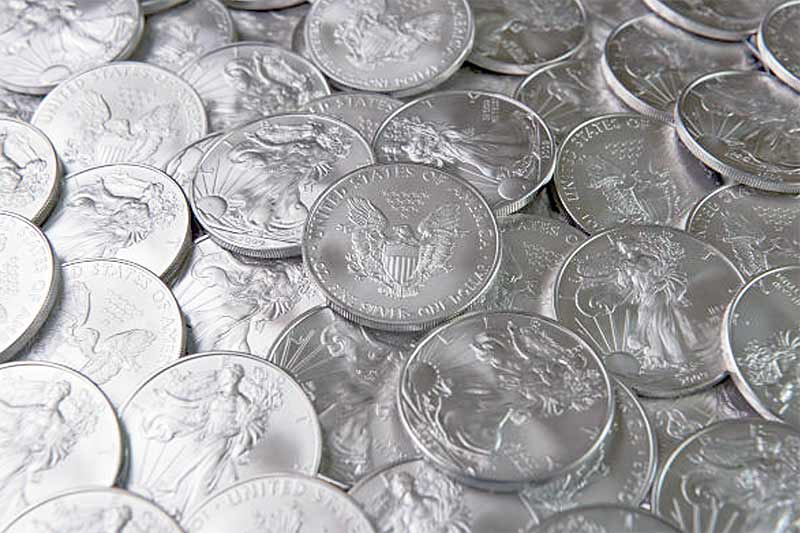
- Physical silver (coins, bars)
- Paper silver (ETFs, digital investments)
Both options have benefits. Physical silver offers direct ownership, while paper silver offers convenience.
Silver vs Modern Currency: What’s the Real Difference
Why Paper Money Loses Value Over Time
Modern money, also called fiat currency, is not backed by physical assets.
Over time, it can lose value due to inflation.
This means your money buys less than before.
How Silver Holds Its Worth During Inflation
Silver is a tangible asset. It has real value because it is a physical resource.
During times of inflation, many investors turn to silver to protect their wealth.
The Role of Precious Metals in Financial Stability
Precious metals like silver and gold provide stability.
They are not controlled by governments in the same way as paper money.
This makes them a safe option during economic uncertainty.
Silver vs Gold: Which One Should You Choose
Price Differences and Investment Accessibility
Silver is cheaper than gold, which makes it more accessible.
You can buy more silver for the same amount of money.
Risk, Volatility, and Long-Term Value
Silver prices can change more quickly than gold.
This means:
- Higher risk
- But also higher potential returns
Some investors prefer silver for this reason.
When Silver May Be the Better Choice
Silver may be better if you:
- Have a smaller budget
- Want more flexibility
- Are open to market changes
It can be a strong part of a balanced investment plan.
Why Silver Still Matters in Today’s Economy
Industrial Demand and Real-World Use
Unlike gold, silver is widely used in industries.
It is used in:
- Electronics
- Solar panels
- Medical equipment
This creates steady demand.
Silver in Technology and Renewable Energy
Modern technology relies on silver.
It plays a key role in renewable energy, especially in solar power systems.
As technology grows, demand for silver increases.
How Demand Impacts Silver Prices
When demand rises, prices often go up.
Industrial use adds another layer of value to silver beyond investment.
How Investors Use Silver to Protect Wealth
Hedge Against Inflation and Economic Uncertainty
Many investors buy silver as a hedge against inflation.
When the economy is unstable, silver often holds its value better than cash.
Diversifying Your Investment Portfolio
A smart portfolio includes different assets.
Adding silver helps:
- Reduce risk
- Balance investments
- Improve long-term stability
Long-Term vs Short-Term Investment Strategies
Some people hold silver for years. Others trade it based on price changes.
Both strategies can work, depending on your goals.
What to Know Before Investing in Silver
Common Mistakes New Investors Make
New investors often:
- Buy without research
- Ignore market trends
- Panic during price drops
Learning first can help avoid these mistakes.
Storage, Security, and Liquidity Factors
If you buy physical silver, you need to store it safely.
Also, consider how easy it is to sell when needed.
Understanding Market Trends and Pricing
Silver prices change based on:
- Supply and demand
- Economic conditions
- Global events
Staying informed helps you make better decisions.
Conclusion
So, how has silver evolved from ancient money to a modern investment opportunity?
It started as a simple tool for trade in early civilizations. Over time, it became a trusted store of value. Today, it is both an industrial resource and a powerful investment asset.
Even in a world of digital payments and paper money, silver still holds strong. It offers accessibility, real value, and protection against economic changes.
Whether you are new to investing or looking to diversify, silver remains a smart and reliable option.Its long history proves one thing—while money systems may change, the value of silver continues to stand the test of time.
