
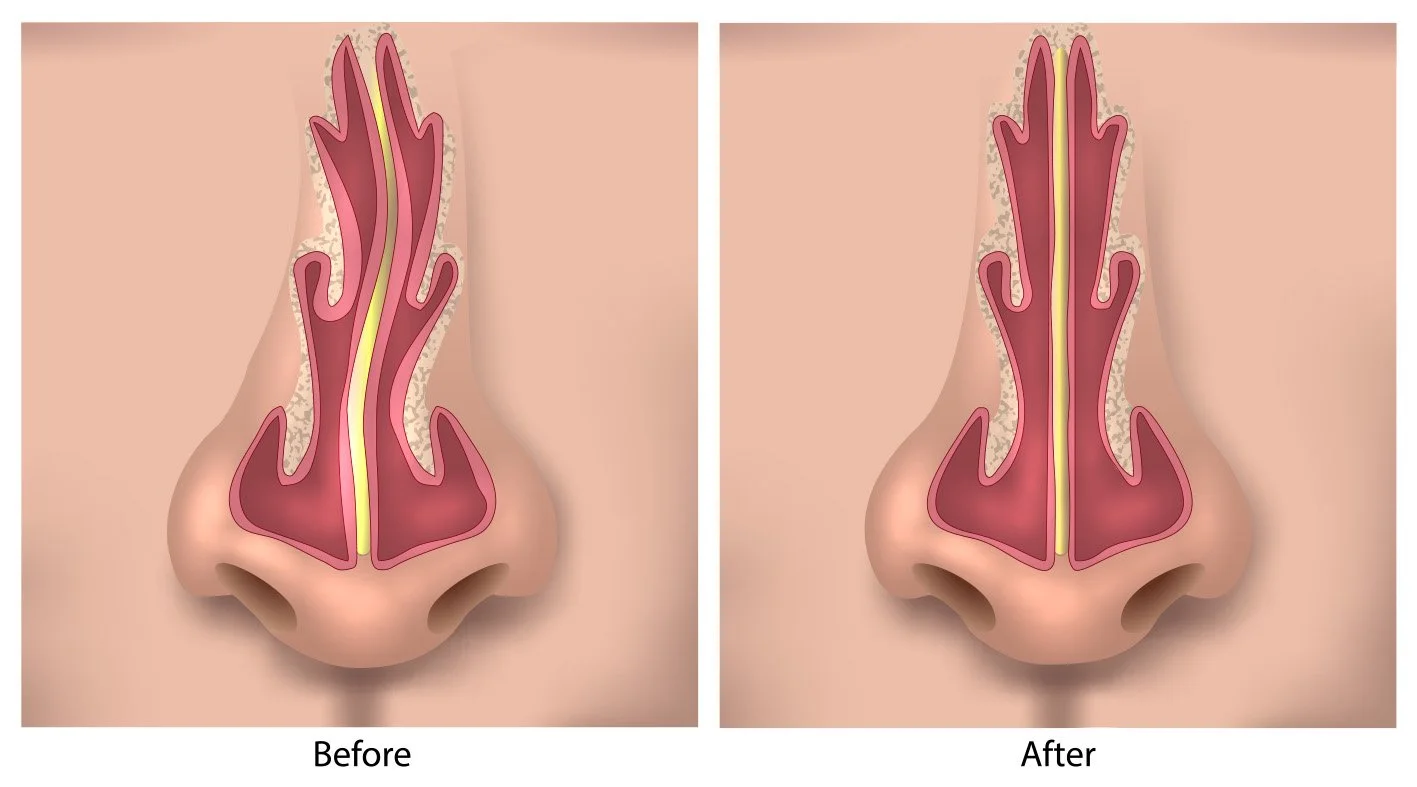

If you struggle to breathe through your nose, you may have a deviated septum. This happens when the wall inside your nose is not straight. It can block airflow and make daily life uncomfortable. Many people deal with nasal congestion, snoring, or poor sleep because of this problem.
When medications stop helping, doctors may suggest Septoplasty Surgery. This procedure fixes the nasal septum and improves airflow. It can make breathing easier and help you feel better overall.
But here’s the key—good results don’t just depend on the surgery. They also depend on how well you prepare. Knowing what to do before Septoplasty Surgery and what mistakes to avoid can make a big difference in your recovery.
In this guide, we’ll walk you through everything in simple terms. You’ll learn how to prepare, what to expect, and how to avoid common problems.
Living With a Deviated Septum — When Is Surgery Needed
Common Symptoms of a Deviated Septum
A deviated septum can cause many issues. Some are mild, while others can affect your daily life.
Common symptoms include:
- Blocked nose on one or both sides
- Trouble breathing through your nose
- Frequent nosebleeds
- Snoring or sleep problems
- Ongoing nasal congestion
If these symptoms don’t go away, it may be time to consider Septoplasty Surgery.
How Nasal Blockage Affects Breathing and Sleep
When your nose is blocked, your body has to work harder to breathe. This can affect your sleep and energy levels. You may wake up tired or feel sleepy during the day.
Poor airflow can also lead to mouth breathing. Over time, this may cause dry mouth and throat discomfort.
When Medication Is No Longer Enough
Many people try sprays, antihistamines, or decongestants. These may help for a short time. But they do not fix the structure of the nasal septum.
If your symptoms keep coming back, your ENT Specialist may suggest surgery as a long-term solution.
How to Prepare for Septoplasty Procedure Step by Step
Medical Tests and Consultations Before Surgery
Before Septoplasty Surgery, your doctor will check your overall health. You may need:
- A physical exam
- Blood tests
- A review of your medical history
Your ENT Specialist will also explain the procedure and answer your questions.
Be honest about your health. Share any medications or conditions you have. This helps reduce risks.
What to Avoid Before Septoplasty (Food, Medications, Habits)
Preparation is very important. Certain things can increase bleeding or slow healing.
Avoid:
- Blood-thinning medications (like aspirin, unless approved)
- Smoking or tobacco use
- Alcohol before surgery
Your doctor may also ask you not to eat or drink for several hours before the procedure.
Mental and Physical Preparation for a Smooth Procedure
Feeling nervous is normal. But being well prepared can help you feel more relaxed, confident, and in control.
Simple tips:
- Get enough rest before surgery
- Arrange a ride home
- Plan time off for recovery
Knowing what to expect can reduce stress and help your body heal better.
What Happens During Septoplasty Surgery
Step-by-Step Overview of the Septoplasty Procedure
Septoplasty Surgery is usually done inside the nose. This means there are no visible cuts on the outside.
During the procedure:
- The doctor straightens the nasal septum
- Extra tissue or bone may be removed
- The airway is opened for better breathing
The goal is to improve airflow and fix the blockage.
Anesthesia Options and What You Will Feel
Most patients receive local or general anesthesia. This means you won’t feel any pain during the procedure and will remain comfortable throughout.
Your doctor will choose the best option based on your needs.
How Long the Surgery Takes and What You Can Expect During the Process
The procedure typically takes about 30 to 90 minutes, and most patients are able to return home on the same day.
You may feel mild discomfort after surgery, but this is normal and temporary.
Septoplasty Recovery Tips and Timeline Explained
What to Expect in the First 24 to 48 Hours
After Septoplasty Surgery, your nose may feel blocked or swollen. You may also notice mild bleeding.
This is part of the healing process.
You should:
- Rest as much as possible
- Keep your head elevated
- Avoid touching your nose
Weekly Recovery Milestones and Healing Stages
Recovery happens in stages:
- Week 1: Swelling and discomfort decrease
- Week 2: Breathing starts to improve
- Week 3–4: Most normal activities can resume
Full healing may take a few weeks, depending on your body.
Tips to Reduce Swelling and Speed Up Healing
To heal faster:
- Follow your doctor’s instructions
- Avoid heavy lifting
- Use saline sprays if recommended
- Stay hydrated
Good care leads to better results.
Risks and Benefits of Septoplasty Surgery
Key Benefits of Correcting a Deviated Septum
Septoplasty Surgery can improve your quality of life. Benefits include:
- Better airflow and breathing
- Less snoring
- Improved sleep
- Fewer sinus infections
Many patients feel relief soon after recovery.
Possible Risks and How Common They Are
Like any surgery, there are some risks. These may include:
- Bleeding
- Infection
- Temporary swelling
Serious complications are rare, especially when done by an experienced ENT Specialist.
How to Minimize Complications After Surgery
You can lower risks by:
- Following all pre-surgery instructions
- Avoiding harmful habits like smoking
- Attending follow-up visits
Good preparation and care make a big difference.
Common Mistakes to Avoid Before Septoplasty Surgery
Ignoring Pre-Surgery Instructions
One of the biggest mistakes is not following your doctor’s advice. Skipping instructions can lead to complications.
Always follow guidelines about food, medications, and rest.
Hiding Medical Information From Your Doctor
Be honest with your ENT Specialist. Share your full medical history, even if it seems small.
Hidden details can increase risks during surgery.
Not Planning for Recovery Time
Some people think they can go back to normal life right away. This is not true.
Plan time to rest and recover. Give your body the chance to heal properly.
When to Contact Your ENT Specialist After Surgery
Warning Signs You Should Not Ignore
After surgery, watch for unusual symptoms like:
- Heavy bleeding
- High fever
- Severe pain
If you notice these, contact your ENT Specialist right away.
Normal vs Abnormal Recovery Symptoms
Some discomfort is normal. Mild swelling and congestion are expected.
But if symptoms get worse instead of better, it may need attention.
Follow-Up Care and Long-Term Results
Follow-up visits are important. Your doctor will check your healing and make sure everything is going well.
With proper care, the results of Septoplasty Surgery can last a long time.
Conclusion
Preparing for Septoplasty Surgery is just as important as the procedure itself. Taking the right steps before surgery can improve your recovery and reduce risks.
From avoiding certain medications to planning your recovery time, small actions can make a big difference. Knowing what mistakes to avoid helps you stay on track and achieve better results.
If you are dealing with a deviated septum, don’t ignore the problem. With the right preparation and guidance from an ENT Specialist, you can breathe easier and enjoy a better quality of life.
Take the time to prepare, follow expert advice, and move forward with confidence toward long-term relief.
