
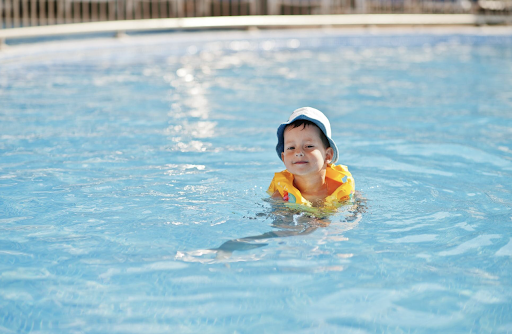

Swimming offers young children a unique environment for physical growth and development. The water provides resistance, buoyancy, and sensory stimulation that land-based activities simply cannot replicate.
From infancy through the preschool years, swimming contributes to motor skill development, strength building, coordination, and body awareness in ways that complement and enhance typical childhood development.
Parents often underestimate how significantly aquatic activities support their child’s physical growth. Water-based movement patterns strengthen muscles, refine motor control, and build confidence in physical abilities.
Many parents looking for the best baby swimming lessons Arvada CO find that quality instruction does more than teach water safety. It also provides activities designed to support overall physical development during these crucial early childhood years.
Understanding how swimming supports physical development helps parents make informed decisions about introducing their children to aquatic activities.
Core Strength Development in Water
How Water Resistance Builds Strength
Water provides natural resistance in all directions. Every movement a child makes in the pool works against this resistance, building muscle strength throughout the body.
Unlike gravity on land, which primarily pulls downward, water resistance surrounds the body completely. When a child kicks their legs, the water pushes back. When they sweep their arms, resistance occurs in all directions of movement.
This multidirectional resistance strengthens muscles more comprehensively than many land-based activities. A toddler walking through shallow water builds leg strength much faster than walking on solid ground.
The resistance is also adjustable naturally. Moving faster creates more resistance. Moving slowly creates less. Children instinctively regulate their effort levels, preventing overexertion while still building strength.
Core Muscles Engage Constantly
Maintaining balance in water requires constant core muscle engagement. The unstable, shifting environment forces children to activate abdominal and back muscles continuously.
On land, children can stand or sit relatively passively. Gravity and solid surfaces provide stability. In water, children must actively stabilize themselves every moment.
This continuous core engagement strengthens the muscles that support posture, balance, and coordinated movement. Strong core muscles form the foundation for all physical activities children will encounter as they grow.
Even infants held in the water benefit. As parents support babies in various positions, the babies’ core muscles activate to maintain head control and body alignment against water movement.
Gross Motor Skill Enhancement
Large Movement Patterns in Water
Gross motor skills involve large muscle groups working together for movements like walking, running, jumping, and throwing. Swimming develops these skills exceptionally well.
Kicking actions strengthen hip flexors, quadriceps, hamstrings, and calf muscles. These are the same muscle groups needed for walking, running, and jumping on land.
Arm movements in swimming develop shoulder strength, arm coordination, and upper body control. Reaching, pulling, and pushing through water builds strength that transfers to throwing, catching, and climbing.
The bilateral nature of swimming, using both sides of the body in coordinated patterns, enhances overall motor development. Children learn to coordinate left and right sides working together and independently.
Movement Variety Accelerates Development
Swimming involves diverse movement patterns rarely used on land. Horizontal body positioning, rotating motions, and simultaneous arm and leg coordination challenge children’s motor systems in novel ways.
This variety accelerates neural pathway development. The brain creates new connections as children master unfamiliar movement patterns. These neural developments enhance overall motor learning and coordination.
Children who swim regularly often show advanced gross motor skills compared to their peers. They typically demonstrate better balance, coordination, and body control in various physical activities.
Fine Motor Skill Development
Hand and Finger Control in Water
While swimming is primarily a gross motor activity, it also develops fine motor skills through hand and finger movements.
Cupping hands to push water requires finger coordination and control. Children learn to position fingers together, creating effective paddle shapes with their hands.
Grasping pool edges, toys, and equipment builds hand strength. The wet, slippery surfaces require firmer grips than dry objects, strengthening small hand muscles.
Water play activities during swim lessons, pouring, squeezing toys, and manipulating floating objects all develop hand-eye coordination and fine motor control.
Sensory Integration Through Touch
Water provides rich tactile experiences. Different temperatures, water movement, splash patterns, and submersion all stimulate sensory receptors throughout the skin.
This sensory input helps children develop body awareness and spatial understanding. They learn where their body is in space and how it moves through different environments.
Sensory integration, the brain’s ability to process and respond to sensory information, improves through regular aquatic exposure. This foundational skill supports all areas of development including motor, cognitive, and social-emotional growth.
Cardiovascular Fitness and Endurance
Building Heart and Lung Capacity
Swimming is a cardiovascular exercise that strengthens the heart and lungs from an early age. Even gentle aquatic activities elevate heart rate and breathing patterns.
Young children naturally engage in interval-style exercise in the pool. They move actively for periods, then rest briefly, then move again. This pattern effectively builds cardiovascular endurance.
Strong cardiovascular systems support all physical activities. Children with better cardiovascular fitness have more energy for play, recover faster from exertion, and maintain activity levels longer.
Breath control during swimming, learning to hold breath, blow bubbles, and coordinate breathing with movement, directly develops lung capacity and respiratory muscle strength.
Stamina for Daily Activities
Improved endurance from swimming transfers to daily life. Children can play longer without fatigue. They have energy for multiple activities throughout the day.
This increased stamina supports healthy activity levels. Children who tire easily become sedentary. Children with good endurance stay active, creating positive cycles of physical activity and fitness.
Balance and Coordination Improvements
Water’s Impact on Balance Development
Balance in water differs completely from balance on land. The unstable, shifting environment constantly challenges equilibrium.
Children must make continuous micro-adjustments to maintain position and orientation. This develops sophisticated balance control that transfers to land-based activities.
The vestibular system, inner ear structures that control balance and spatial orientation, receives intense stimulation in water. Movements in all directions and planes activate these systems comprehensively.
Children who swim regularly typically show advanced balance skills. They demonstrate better stability on playground equipment, improved coordination during ball sports, and enhanced overall body control.
Bilateral Coordination Development
Swimming requires both sides of the body to work together in coordinated patterns. This bilateral coordination is essential for countless daily activities.
Alternating arm movements in swimming build neural pathways for coordinating opposite sides of the body. This pattern appears in walking, running, and many other fundamental movements.
Symmetrical movements, both arms or both legs moving together, develop coordination of matching body parts working simultaneously.
These coordination patterns established through swimming support academic readiness too. Bilateral coordination relates to reading readiness, writing skills, and other school-related tasks.
Flexibility and Range of Motion
Natural Stretching in Water
Swimming movements take joints through full ranges of motion. Reaching arms overhead, extending legs fully, and rotating the torso all stretch muscles and increase flexibility.
The buoyancy of water supports these movements without gravity’s restrictions. Children can achieve positions and movements in water that might be difficult or impossible on land.
Regular swimming maintains and improves joint flexibility. Flexible joints move more efficiently and resist injury better than tight, restricted joints.
Young children naturally possess good flexibility. Swimming helps maintain this natural flexibility rather than allowing it to decrease as children grow and become more sedentary.
Injury Prevention Through Mobility
Good flexibility and range of motion protect against injuries. Muscles and joints that move freely through full ranges handle physical stresses better.
Children who swim regularly experience fewer muscle strains and joint injuries. Their bodies adapt to varied movement patterns and maintain mobility.
Posture and Body Alignment
Horizontal Body Positioning Benefits
Swimming requires horizontal body positions, floating on the stomach or back. These positions differ completely from the vertical postures of daily life.
Horizontal positioning strengthens back muscles differently from standing or sitting. The muscles that support spine alignment work in novel ways against water resistance.
This varied muscle use promotes balanced development. Children develop both the muscles that hold them upright and the muscles that control horizontal movement.
Improved back and core strength from swimming translates to better posture on land. Children sit straighter, stand taller, and move with better body alignment.
Breathing and Body Awareness
Coordinating breathing with body position and movement develops sophisticated body awareness. Children learn to rotate for breaths while maintaining streamlined positions.
This awareness of body position relative to the water surface and pool bottom enhances overall spatial awareness and body control.
Social-Physical Development
Peer Interaction in Physical Activities
Group swim lessons provide social contexts for physical development. Children observe peers, imitate movements, and engage in friendly physical challenges.
Watching other children swim motivates kids to attempt new skills. Peer modeling accelerates learning and development in ways individual practice cannot match.
Water games and activities teach cooperation, turn-taking, and shared physical spaces. Children learn to navigate around others while swimming, developing spatial awareness and consideration.
Confidence in Physical Abilities
Mastering swimming skills builds confidence that extends beyond the pool. Children who feel competent in water often show increased confidence in other physical activities.
This confidence encourages children to attempt new physical challenges. They develop growth mindsets about their physical abilities, believing they can learn and improve with practice.
Physical confidence established in early childhood supports lifelong activity patterns. Children who feel capable stay active. Those who feel incompetent often avoid physical activities.
Age-Appropriate Developmental Milestones
Infants (6-12 Months)
Infant swimming focuses on water adjustment, basic comfort, and supported movement. Physical benefits include strengthening neck muscles through head control in water, developing kicking patterns that support future crawling and walking, and building comfort with sensory experiences.
Toddlers (1-3 Years)
Toddler swimming emphasizes independence, basic skills, and water safety. Physical development includes improving balance and coordination through varied movements, building leg strength through kicking and jumping activities, and developing arm strength through reaching and pulling motions.
Preschoolers (3-5 Years)
Preschool swimming focuses on stroke development, endurance, and skill refinement. Physical benefits include mastering complex coordination patterns in basic strokes, building cardiovascular endurance through longer swimming periods, and refining motor control through technical skill practice.
Maximizing Developmental Benefits
Consistency Matters Most
Regular swimming sessions provide more developmental benefit than occasional visits. Two to three sessions weekly allow skill progression and physical adaptation.
Consistent exposure helps children retain learned movements and build upon previous development. Long gaps between sessions require re-learning and limit developmental progress.
Quality Instruction Enhances Development
Developmentally appropriate instruction targets skills matching children’s current abilities while gently challenging them to progress.
Quality instructors understand child development and create activities that support physical growth while maintaining safety and enjoyment.
Poor instruction can actually hinder development if activities are too advanced, too repetitive, or insufficiently challenging.
Enjoyment Supports Long-Term Participation
Children who enjoy swimming continue participating. Long-term participation compounds developmental benefits over months and years.
Making swimming fun through games, variety, and positive experiences ensures children want to return. This sustained participation delivers the greatest physical development benefits.
The Foundation for Lifelong Fitness
Swimming introduced in early childhood establishes physical foundations that support health throughout life. Strong muscles, good coordination, cardiovascular fitness, and positive attitudes toward physical activity all begin in these early experiences.
The unique environment of water provides developmental opportunities impossible to replicate on land. The combination of resistance, buoyancy, and sensory richness creates ideal conditions for comprehensive physical development.
Parents who understand these benefits can make informed decisions about introducing their children to swimming. The investment in early aquatic experiences pays dividends in physical health, motor skills, and overall development that last a lifetime.
