
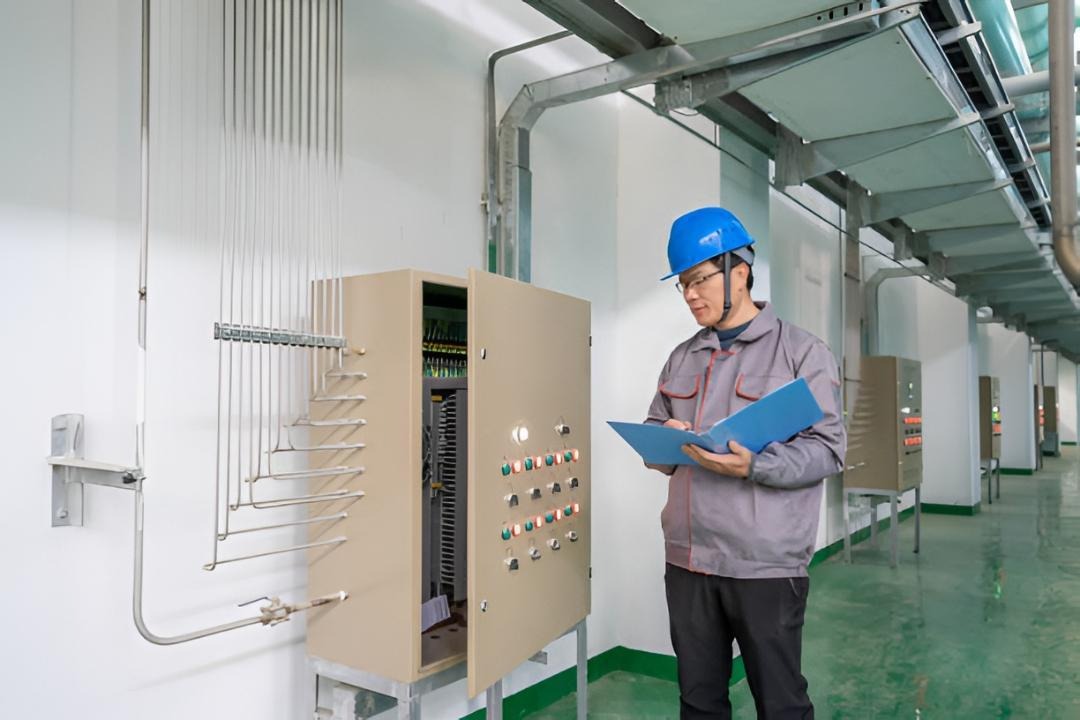

In today’s fast-moving industrial and commercial environments, electrical systems are the backbone of nearly every operation. From manufacturing plants and data centers to renewable energy installations and infrastructure projects, these systems must operate safely and efficiently at all times. However, one critical component that often does not receive enough attention is the electrical enclosure.
Electrical enclosures are essential for protecting sensitive components from environmental hazards, physical damage, and operational risks. Choosing the right enclosure is not just a technical decision—it is a strategic investment that directly impacts safety, performance, and long-term costs.
With so many options available in the market, selecting the right enclosure can be challenging. Businesses must consider multiple factors, including materials, design, environment, safety standards, and future scalability.
This complete buyer’s guide will help you understand everything you need to know before choosing an electrical enclosure, ensuring that you make an informed and effective decision.
Why Choosing the Right Electrical Enclosure Matters
Many businesses underestimate the importance of electrical enclosures, focusing instead on the equipment inside. However, even the most advanced components can fail if they are not properly protected.
The right enclosure helps:
- Protect equipment from dust, moisture, and temperature changes
- Reduce the risk of electrical hazards
- Improve system efficiency and organization
- Extend the lifespan of electrical components
Choosing the wrong enclosure, on the other hand, can lead to increased maintenance costs, downtime, and safety risks.
To avoid these issues, businesses often rely on an experienced OEM Electrical Enclosure Manufacturer that can provide customized solutions based on specific requirements.
Step 1: Understand Your Application Requirements
The first step in choosing the right enclosure is understanding your specific application. Different industries have different needs, and there is no universal solution.
Ask yourself:
- Where will the enclosure be installed (indoor or outdoor)?
- What environmental conditions will it face?
- What type of equipment will it house?
- Are there any space limitations?
Answering these questions helps narrow down your options and ensures that the enclosure meets your operational needs.
Step 2: Evaluate Environmental Conditions
Environmental factors play a major role in determining the type of enclosure required. Ignoring these conditions can lead to serious problems.
Indoor Environments
Indoor applications typically require basic protection against dust and accidental contact.
Outdoor Environments
Outdoor installations require enclosures that can withstand:
- Rain and humidity
- UV exposure
- Temperature fluctuations
- Dust and debris
Harsh Industrial Environments
Industries such as oil and gas or chemical processing require enclosures that can handle extreme conditions and corrosive substances.
Understanding these factors ensures that the enclosure provides adequate protection.
Step 3: Choose the Right Material
Material selection is one of the most important decisions in the buying process. Different materials offer different levels of durability and protection.
Stainless Steel
- Highly durable and corrosion-resistant
- Suitable for harsh environments
Aluminum
- Lightweight and easy to install
- Good corrosion resistance
Mild Steel
- Cost-effective
- Suitable for indoor use
Plastic (Polycarbonate / ABS)
- Lightweight and non-conductive
- Ideal for less demanding environments
Choosing the right material ensures long-term performance and reliability.
Step 4: Consider Size and Design
The size and design of the enclosure should match the equipment it will house. A poorly sized enclosure can lead to overcrowding or wasted space.
Key Considerations
- Ensure enough space for all components
- Allow room for ventilation and airflow
- Plan for future expansion
A well-designed enclosure improves organization and efficiency.
Step 5: Focus on Thermal Management
Heat is one of the biggest threats to electrical systems. Without proper cooling, components can overheat and fail.
Thermal Management Solutions
- Ventilation systems
- Cooling fans
- Heat exchangers
Proper thermal management ensures safe and efficient operation.
Step 6: Check Safety Standards and Certifications
Compliance with safety standards is essential for protecting both equipment and personnel.
Common standards include:
- IP ratings for dust and water protection
- NEMA ratings for environmental resistance
- UL certification for safety
Ensuring compliance reduces risks and improves reliability.
Step 7: Evaluate Customization Options
Standard enclosures may not always meet specific requirements. Customization allows businesses to get solutions tailored to their needs.
Benefits of Customization
- Better fit for equipment
- Improved protection
- Enhanced performance
- Flexibility for future upgrades
Working with a reliable OEM Electrical Enclosure Manufacturer ensures that customization is done effectively.
Step 8: Consider Installation and Maintenance
Ease of installation and maintenance is another important factor.
Installation
- Lightweight materials can simplify installation
- Modular designs allow easier setup
Maintenance
- Easy access for repairs
- Organized layout for quick troubleshooting
These factors help reduce downtime and improve efficiency.
Step 9: Think About Long-Term Costs
While initial cost is important, businesses should focus on long-term value.
A high-quality enclosure provides:
- Reduced maintenance costs
- Longer equipment lifespan
- Improved efficiency
Investing in quality ensures better ROI over time.
Step 10: Choose the Right Manufacturer
Selecting the right manufacturer is crucial for getting the best results. A reliable manufacturer provides expertise, quality, and support.
What to Look For
- Experience in custom enclosure design
- Strong quality control processes
- Ability to meet specific requirements
- Reliable customer support
Choosing the right partner ensures that the enclosure meets both technical and business needs.
Common Buying Mistakes to Avoid
Even with careful planning, businesses often make mistakes when choosing enclosures.
1. Ignoring Environmental Factors
Leads to equipment damage and reduced lifespan.
2. Choosing Based on Price Alone
Results in higher long-term costs.
3. Overlooking Future Needs
Limits scalability and flexibility.
4. Not Considering Thermal Management
Causes overheating and system failures.
5. Skipping Professional Guidance
Increases the risk of poor decisions.
Avoiding these mistakes ensures better outcomes.
Future Trends in Electrical Enclosures
The industry is constantly evolving, and new trends are shaping the future of electrical enclosures.
Some key trends include:
- Smart enclosures with monitoring capabilities
- Modular designs for flexibility
- Advanced materials for improved durability
- Increased focus on sustainability
Staying updated with these trends helps businesses remain competitive.
Making the Final Decision
Choosing the right electrical enclosure requires careful evaluation of multiple factors. By understanding your requirements, evaluating options, and working with experienced professionals, you can make a decision that supports long-term success.
A well-chosen enclosure not only protects your equipment but also improves efficiency, safety, and overall performance.
Final Thoughts
Electrical enclosures are a critical component of modern industrial systems. Selecting the right one requires a thoughtful approach that considers both technical and business factors.
By following the steps outlined in this guide, businesses can avoid common mistakes and make informed decisions that deliver long-term value.
Companies like Eabel.com are helping businesses achieve these goals by providing high-quality, customized enclosure solutions designed to meet modern industrial demands.
