
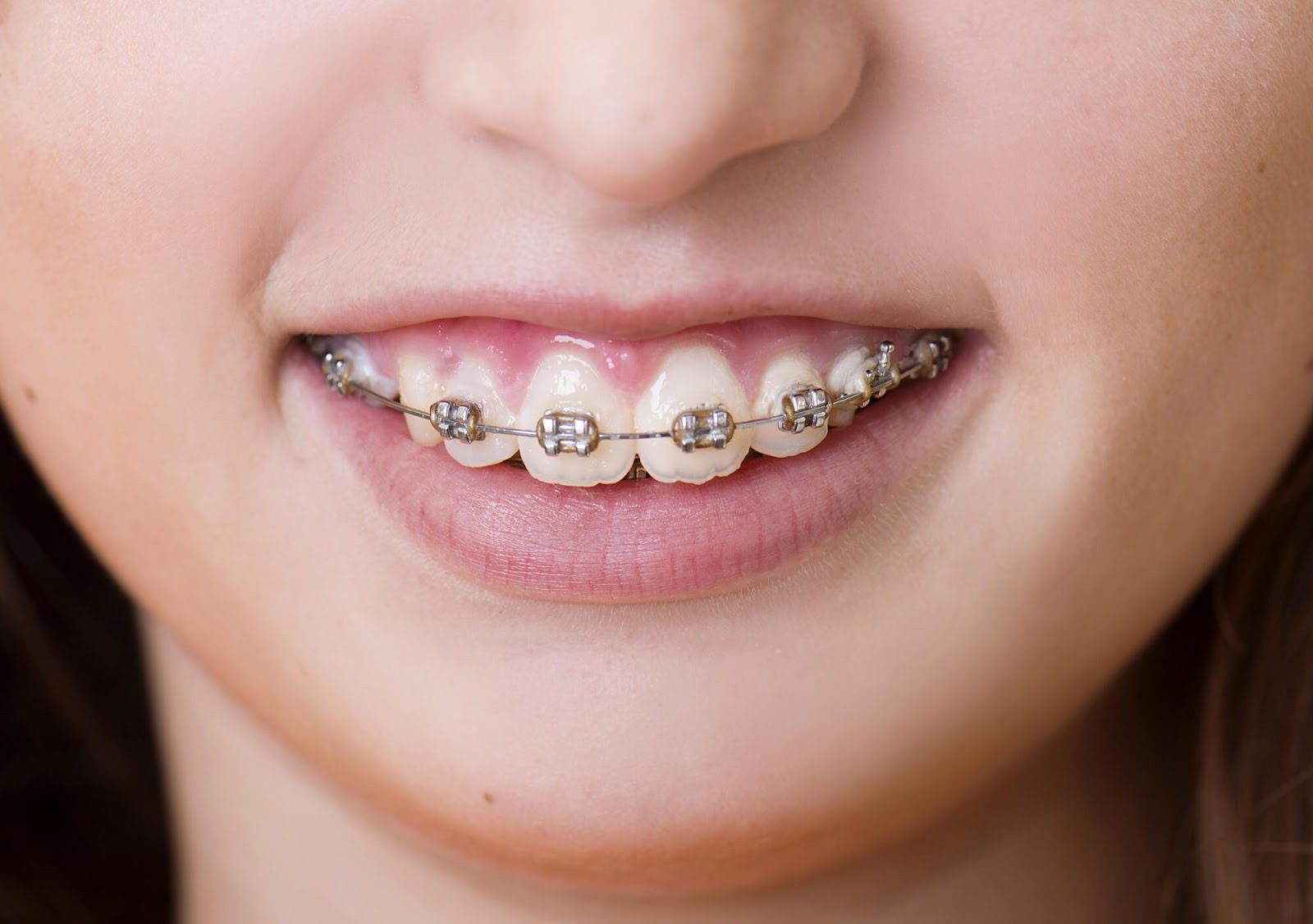

Crooked teeth and bite problems are common dental concerns. They can affect how a person eats, speaks, and cleans their teeth. Misalignment can also lead to long-term oral health issues.
Orthodontic braces are widely used to correct these problems. They guide teeth into better positions through steady pressure. This treatment has helped many people achieve healthier smiles.
The sections below explain why orthodontic braces are effective for correcting tooth misalignment.
Gradual Pressure Moves Teeth Into Place
Orthodontic braces work by applying gentle and steady pressure to the teeth. This pressure slowly shifts teeth into better alignment. The movement happens over time, so the jaw and surrounding bone can adjust.
Teeth do not move all at once, and the slow process helps protect oral structures. Each adjustment brings the teeth closer to their proper position. This steady correction helps reduce crowding and spacing problems.
Orthodontists monitor progress during regular visits. Small adjustments help guide the teeth in the right direction. The gradual movement is one reason orthodontic braces are effective.
Braces Improve Bite Alignment
Tooth misalignment often affects how the upper and lower teeth meet. A poor bite can make chewing uncomfortable or uneven. Orthodontic braces help correct these bite problems over time.
They move teeth so the upper and lower rows fit together properly. This balanced bite helps distribute pressure when chewing food. Proper alignment can also reduce stress on the jaw muscles.
Many people notice improved comfort once the bite is corrected. A better bite can also help prevent uneven tooth wear. Orthodontic braces play an important role in restoring proper bite function.
Consistent Structure Guides Tooth Movement
Orthodontic braces provide a stable structure that guides teeth during treatment. The brackets and wires work together to direct tooth movement. Each part has a purpose in the correction process.
The wires apply pressure while the brackets hold the teeth in place. This system keeps the teeth moving in the planned direction. Regular adjustments help maintain the correct level of pressure.
The structure allows precise control over how teeth shift. This control helps achieve balanced results across the smile. The design makes orthodontic braces reliable for treating misalignment.
Braces Address Crowded Teeth
Crowded teeth are a common dental concern. When there is not enough space in the mouth, teeth can overlap or twist. Orthodontic braces help create better spacing between teeth.
They gradually move each tooth into a more suitable position. This helps reduce overlapping and uneven alignment.
Straightening crowded teeth also improves oral hygiene. It becomes easier to brush and floss when teeth are not tightly packed.
Better cleaning helps lower the risk of cavities and gum problems. Orthodontic braces are often recommended to manage crowding issues.
Treatment Plans Are Customized
Every smile is different, and orthodontic braces can be tailored to each patient. Orthodontists study the position of the teeth and jaw before treatment begins. This helps them design a plan that fits the patient’s needs.
The plan outlines how the teeth should move over time.
Regular checkups allow adjustments as the teeth shift. These changes keep the treatment on track. Personalized care helps improve the final results.
Patients receive guidance throughout the process. Orthodontic braces work well because the treatment is carefully planned.
Braces Help Correct Gaps Between Teeth
Gaps between teeth can affect both appearance and function. Food particles can collect in wide spaces, which may lead to plaque buildup.
Orthodontic braces help close these gaps gradually. The controlled movement pulls teeth closer together.
As the space reduces, the smile begins to look more balanced. Closing gaps can also improve how teeth support each other. Proper alignment helps maintain strong oral function.
Regular adjustments guide the teeth as the spaces shrink. Orthodontic braces are effective in managing spacing concerns.
Jaw Alignment Benefits From Treatment
Tooth alignment often connects to the position of the jaw. When teeth sit in poor positions, the jaw may not close properly. Orthodontic braces help guide the teeth into positions that support natural jaw movement.
Over time, this can improve how the jaw functions. Better alignment may reduce strain on the jaw joints. Many patients experience improved comfort during chewing.
Correct alignment can also support clearer speech in some cases. The treatment focuses on both teeth and bite harmony. Orthodontic braces contribute to better jaw balance.
Long-Term Oral Health Improves
Straight teeth are easier to care for each day. When teeth are aligned, brushing and flossing become more effective. This helps remove plaque and food debris.
Better cleaning reduces the risk of cavities and gum disease. Orthodontic braces support this improvement by correcting alignment problems. Patients often notice healthier gums during and after treatment.
Straight teeth also experience less uneven wear. Maintaining oral health becomes easier with proper alignment. Orthodontic braces support long-term dental care.
Treatment Is Monitored By Professionals
Orthodontic treatment involves regular visits with a trained professional. These checkups allow the orthodontist to track progress. Adjustments can be made when needed, and this supervision helps keep tooth movement safe and controlled.
Patients also receive advice on caring for their braces and teeth. Monitoring ensures the treatment stays effective. It also helps prevent complications.
Patients benefit from professional guidance throughout the process. Orthodontic braces remain effective because experts manage each stage of care.
Braces Provide Reliable Results
Orthodontic braces have been used for many years to treat misaligned teeth. Their reliability makes them a common choice for orthodontic care. The treatment works gradually but produces lasting results.
Patients often see steady improvement during the process. The consistent system helps guide teeth to their ideal positions. Many orthodontic clinics provide this treatment for both teens and adults.
Access to care is widely available, whether these are braces in Louisville or other communities. Orthodontists continue to rely on braces because they deliver dependable outcomes. Orthodontic braces remain one of the most trusted ways to correct tooth misalignment.
Utilizing Orthodontic Braces
Orthodontic braces remain a reliable solution for correcting tooth misalignment. They move teeth slowly into proper positions and improve bite balance. Straight teeth are easier to clean and maintain, and this helps support better oral health over time.
Professional care during treatment ensures safe progress. Many patients see both functional and cosmetic improvements. Orthodontic braces continue to help people achieve healthier and more confident smiles.
For other topics, visit our blog. We do have more!
