
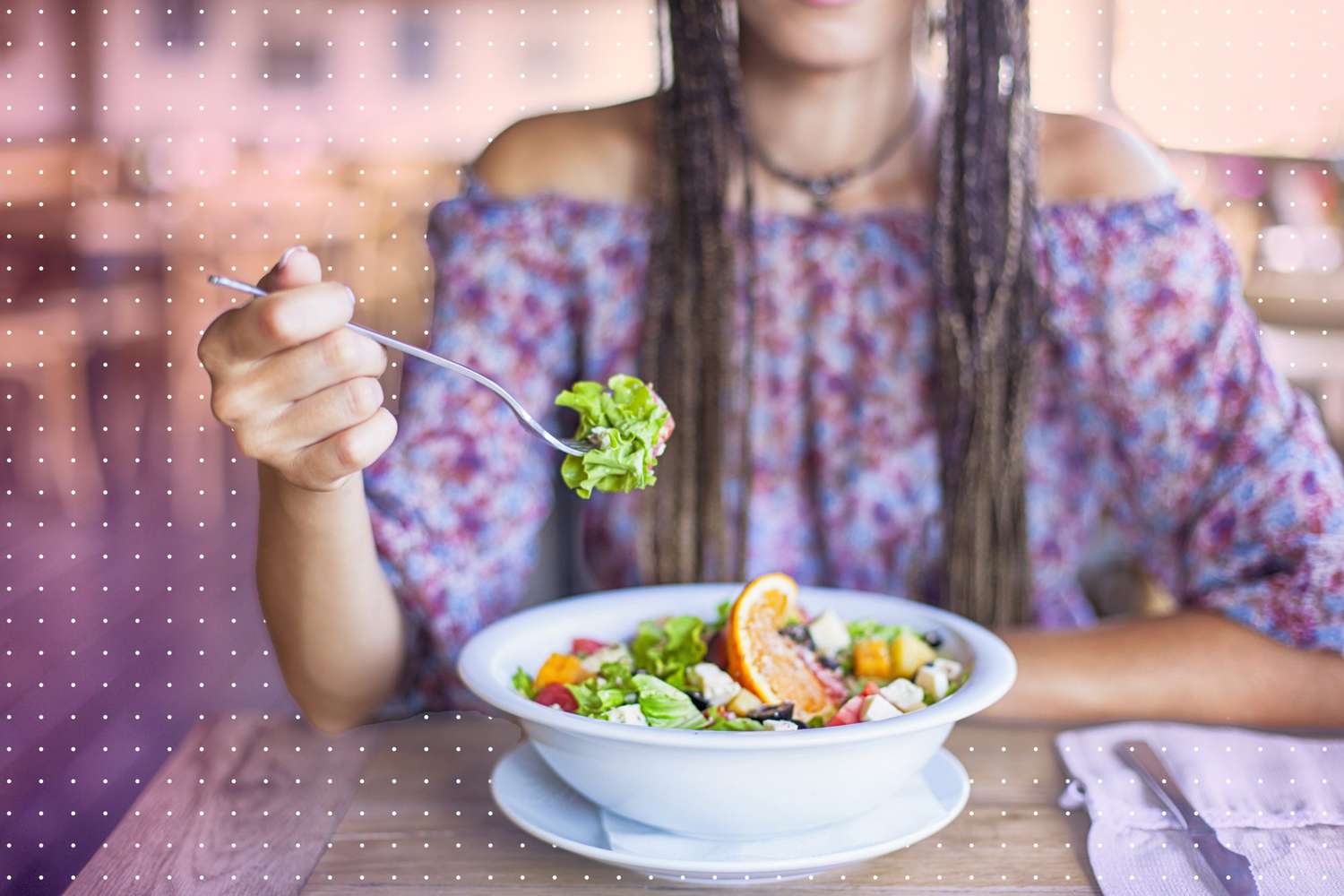

Healthy eating has changed a lot over the past few years. People are no longer as interested in food that simply looks “light” on a menu. They want meals that are fresh, filling, balanced, and practical enough to fit into real life. That shift has helped everyday dishes earn more attention, and salad is one of the best examples. Once treated as a side dish or a predictable diet option, salad is now being rethought as a genuinely satisfying meal. This is one reason why interest in the best salads in dubai continues to grow among people who want better food choices without sacrificing flavour.
At the same time, breakfast culture has expanded in a similar direction. More people are now looking for a Healthy breakfast in dubai that feels nourishing, energising, and realistic for busy mornings. These two trends are connected more than they might first appear. Both reflect a broader shift toward meals that combine freshness with substance. Whether eaten at breakfast, lunch, or dinner, the best modern healthy meals are no longer about restriction. They are about balance.
Salads deserve more respect in that conversation because, when made well, they offer exactly what many people are looking for: variety, texture, nutrition, and flexibility. A good salad does much more than add greens to a plate. It can be a complete meal that supports energy, satiety, and more enjoyable daily eating habits.
The Problem With the Old Idea of Salad
For a long time, salad had an image problem. Many people associated it with bland lettuce, watery tomatoes, and the feeling of eating something because they thought they should, not because they wanted to. In that form, salad often felt more like a compromise than a meal.
That version of salad failed for one simple reason: it lacked structure. A plate of leaves with minimal substance is unlikely to keep anyone full or satisfied for very long. If a meal does not provide enough protein, fibre, healthy fats, and flavour, it tends to feel incomplete. That is where the idea of salad went wrong in the past.
Today, that view is changing. A proper salad is no longer expected to be boring or insubstantial. It can include roasted vegetables, grains, legumes, nuts, seeds, cheeses, herbs, fruit, proteins, and dressings that bring everything together. In other words, salad has become more like what it should have been all along: a flexible format for balanced meals.
What Makes a Salad Actually Good?
The difference between a forgettable salad and a satisfying one usually comes down to composition. A good salad needs contrast, depth, and enough substance to function as a real meal.
The base matters, but it should not do all the work. Greens like rocket, spinach, romaine, kale, or mixed leaves provide freshness, but they are only the starting point. Protein is one of the most important additions because it helps make the meal more filling. Chicken, tuna, eggs, chickpeas, lentils, grilled halloumi, tofu, and beans all work well depending on the style of the dish.
Texture is another key factor. Crunch from nuts, seeds, toasted grains, or raw vegetables makes a salad more interesting to eat. Creamy elements like avocado, labneh, cheese, hummus, or yogurt-based dressings add richness without making the meal heavy. Roasted vegetables contribute warmth and depth, while herbs and citrus can brighten the whole plate.
Dressing is often underestimated, but it plays a major role. A well-made dressing does not just coat ingredients. It connects them. Lemon, olive oil, tahini, yogurt, mustard, herbs, and vinegar can all create flavour without overwhelming the dish. When the dressing is balanced, the salad feels complete rather than dry or scattered.
Why Salads Work So Well for Modern Lifestyles
One reason salads have become more popular is that they suit the way many people want to eat now. They can be quick, adaptable, visually appealing, and easy to customise. That matters in modern routines where people often want food that feels healthy but still substantial enough to support work, movement, and long days.
Salads are also versatile. They can be vegetarian or protein-rich. They can be light and citrusy or hearty and grain-based. They can be served cold, warm, or somewhere in between. That flexibility makes them useful across different seasons, tastes, and eating patterns.
For many people, the appeal of salad is also psychological. A fresh, colourful meal can feel energising before the first bite. It often creates a sense of balance without requiring the person to commit to a strict food plan. This makes healthy eating feel more approachable, which is a big part of why certain dishes become repeat habits.
Another reason salads fit modern life is convenience. A well-made salad can work for lunch at work, a post-gym meal, a casual dinner, or even part of brunch. It can be eaten quickly without feeling like fast food, and that combination is hard to beat.
The Nutritional Strength of a Well-Built Salad
Salad can be one of the easiest ways to eat a variety of ingredients in one meal. This matters because balanced eating is often less about one “superfood” and more about the overall diversity of what appears on the plate.
Leafy greens contribute vitamins and freshness. Colourful vegetables add fibre and visual variety. Legumes and grains provide structure and longer-lasting energy. Protein supports satiety. Nuts, seeds, avocado, and olive oil bring healthy fats that help the meal feel complete.
This kind of composition can help reduce the afternoon slump that often follows heavier or less balanced meals. A strong salad does not need to be tiny or low-calorie to feel healthy. In fact, many of the most satisfying salads are fairly generous. Their strength comes from the balance of ingredients, not from being minimal.
That balance also helps people feel more satisfied after eating, which may reduce the need for constant snacking later. Again, this is not because salad is special in itself. It is because a
well-built meal works better than a poorly built one, and salad happens to be a very effective format for combining those elements.
Why Better Breakfasts and Better Salads Belong in the Same Conversation
At first glance, breakfast and salad may seem unrelated, but they both reflect the same change in eating culture. People are paying more attention to food that supports their day rather than simply filling time. The same person who wants a breakfast with real nourishment is often also looking for lunch or dinner options that feel equally balanced.
That is why it makes sense to discuss these habits together. A better breakfast can lead to steadier energy and fewer cravings, while a stronger lunch or dinner supports the rest of the day in the same way. Meals do not need to be identical to work toward the same goal. They simply need to be built with some thought.
There are also many salads that now cross naturally into breakfast and brunch menus. Grain salads with eggs, avocado, greens, herbs, and seeds are one example. Fruit and yogurt bowls with nuts and seeds also borrow some of the same principles as salad composition: freshness, texture, balance, and variety. The lines between meal categories are softer than they used to be, and that is often a good thing.
Common Salad Mistakes That Ruin the Experience
Salad may be simple in theory, but there are a few common mistakes that make it disappointing. One of the biggest is not including enough protein or substance. Without that, even the freshest salad can feel more like a starter than a meal.
Another mistake is poor texture balance. If everything in the bowl is soft or watery, the salad becomes dull very quickly. Crunch and contrast matter. So does seasoning. Vegetables without enough acidity, herbs, salt, or dressing often taste unfinished.
Overloading the salad can also be a problem. Too many ingredients with no clear structure can turn a good idea into a confusing bowl of competing flavours. The best salads usually have a clear identity, even if they contain several components.
Then there is the issue of dressings that are too heavy or too sweet. A strong dressing should support the ingredients, not bury them. When it is too much, the salad loses the freshness that made it appealing in the first place.
Salad as a Meal, Not a Sacrifice
One of the most useful mindset changes around healthy eating is this: a nutritious meal does not need to feel like a punishment. Salad works best when it is approached as a real meal option rather than a fallback.
That means giving it enough care. Warm elements, proper seasoning, good ingredients, and satisfying toppings all matter. A salad should be something a person looks forward to eating, not something they choose out of guilt. This mindset shift is part of the reason salads are increasingly featured in more creative and substantial forms.
It also helps explain why restaurant salads have evolved. Menus now treat them with more seriousness, offering combinations that are flavour-forward and thoughtfully built rather than unimaginative and overly cautious. That is good news for anyone trying to eat better without losing enjoyment.
How to Make Salads More Satisfying in Everyday Life
For people who want to eat more salad regularly, the easiest approach is to think beyond leaves. Start with one fresh base, add one meaningful protein, include at least one ingredient for crunch, and finish with something creamy or rich plus a balanced dressing.
Roasted sweet potato with rocket, feta, walnuts, and lemon dressing is one example. Chickpeas with cucumber, herbs, tomatoes, olive oil, and tahini is another. Grilled chicken with greens, avocado, seeds, and a mustard dressing works well too. None of these need to be overly complicated to feel complete.
Temperature can also make a difference. Warm grains, roasted vegetables, or grilled proteins help salads feel more comforting and substantial, especially when people assume salad is always cold and insubstantial. This single adjustment often changes how people feel about the dish altogether.
Final Thoughts
Salad deserves a much bigger place in the conversation around modern, satisfying, healthy eating. It is no longer just a side dish or a symbol of restriction. When built properly, it can be a complete and enjoyable meal that supports energy, balance, and variety without feeling heavy.
The growing interest in fresher breakfasts and more substantial salads reflects the same broader shift: people want food that fits real life while still helping them feel good. They want meals that are practical, flavourful, and built with enough care to be worth repeating.
That is exactly what a good salad can offer. Not a compromise. Not a cliché. Just a genuinely smart meal that works.
