
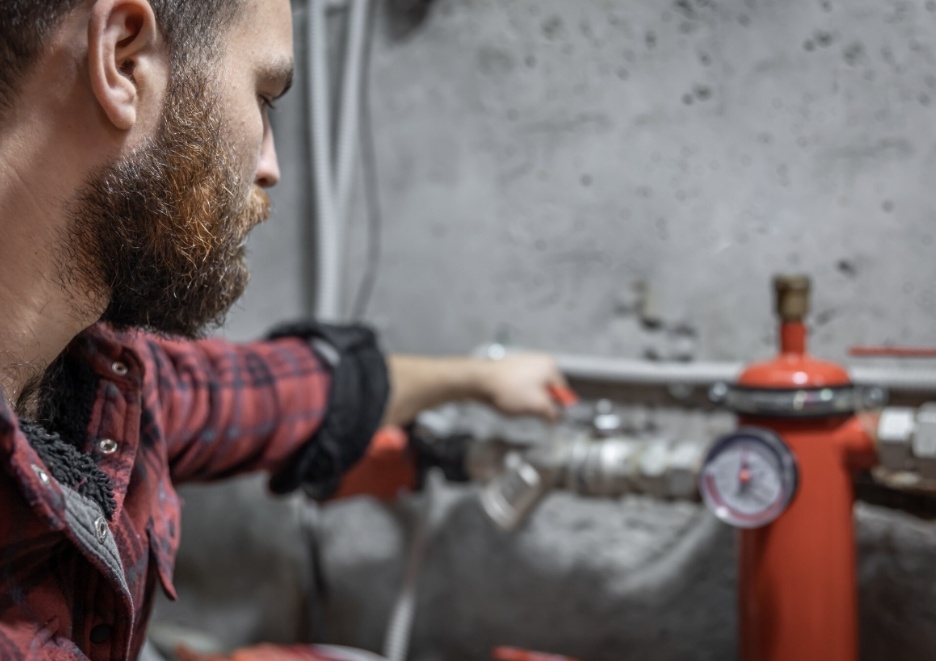

If your boiler’s been making strange noises or losing pressure, you might be wondering whether it’s just an inconvenience or an actual safety risk.
The short answer is yes. A faulty boiler can be dangerous, and ignoring warning signs could put your household at serious risk.
Most homeowners don’t think about their boiler until something goes wrong. But when issues do pop up, knowing what you’re dealing with makes all the difference.
Whether you need best boiler repair boulder co services or just want to understand the risks, this guide breaks down everything you need to know about boiler safety.
Why Boiler Faults Are More Than Just Annoying
A broken boiler isn’t just about cold showers and chilly mornings. Some faults can lead to carbon monoxide leaks, gas explosions, or even fires. According to the Consumer Product Safety Commission, faulty heating equipment causes thousands of emergency room visits every year, and a chunk of those involve boilers.
The tricky part is that many dangerous boiler issues don’t announce themselves with flashing lights or alarms. A small leak today could become a major hazard tomorrow. That’s why understanding the warning signs matters so much.
Carbon Monoxide: The Silent Threat
Carbon monoxide (CO) is the big one when we talk about boiler danger. It’s colorless, odorless, and deadly. When your boiler burns fuel incorrectly because of a fault, it can produce CO instead of safely venting it outside.
Early symptoms of CO poisoning look a lot like the flu. Headaches, dizziness, nausea, and fatigue are common. But unlike the flu, everyone in your household might feel sick at the same time. Pets can show symptoms too.
High levels of carbon monoxide can be fatal within hours. Even low-level exposure over time can cause serious long-term health problems, especially for children, elderly people, and anyone with heart or breathing conditions.
Every home with a boiler needs a carbon monoxide detector. Period. Place one near your boiler and another near bedrooms. Test them monthly and replace batteries annually. But detectors are your backup plan, not your primary defense. A properly maintained boiler shouldn’t be producing dangerous CO levels in the first place.
Gas Leaks and Explosion Risks
Gas boilers operate under pressure and handle flammable fuel. When components fail or connections loosen, natural gas can escape into your home. Even a small leak creates explosion and fire risks.
You might smell gas (that distinctive rotten egg odor suppliers add for safety). You might hear hissing near the boiler. Or you might notice dead plants near gas lines outside.
If you suspect a gas leak, don’t mess around. Open windows, get everyone out, avoid using electrical switches or creating sparks, and call your gas company’s emergency line from outside. Never try to locate the leak yourself or turn the boiler back on.
Water Damage and Structural Problems
Not every boiler danger involves gas or fumes. Leaking boilers can cause serious water damage that compromises your home’s structure over time.
A slow leak might seem minor at first. But water pooling around your boiler can damage floors, promote mold growth, and weaken the foundation in that area. In severe cases, a pressure valve failure can release large amounts of scalding water quickly.
Mold from persistent moisture creates its own health risks. Respiratory problems, allergic reactions, and asthma attacks can all stem from mold exposure. Kids and people with weakened immune systems face the highest risks.
Common Boiler Faults That Signal Danger
Certain symptoms deserve immediate attention. If you notice any of these, don’t wait to call a professional.
Strange smells coming from your boiler area often mean trouble. A metallic smell might indicate overheating. A sulfur or rotten egg smell suggests a gas leak. Any unusual odor warrants investigation.
Odd noises beyond normal operation sounds can signal problems. Banging, whistling, or gurgling might mean limescale buildup, trapped air, or failing components. While not always dangerous on their own, these issues can lead to bigger failures if ignored.
Yellow or orange flames instead of crisp blue ones indicate incomplete combustion. This often produces carbon monoxide. Your boiler flame should burn blue. Anything else means you need a technician right away.
Soot or staining around the boiler suggests combustion problems or poor ventilation. Both can lead to carbon monoxide buildup.
Frequent pilot light outages might seem like a minor annoyance, but they can indicate a faulty thermocouple or gas valve. Either problem deserves a professional diagnosis.
How Maintenance Prevents Dangerous Situations
Annual boiler servicing isn’t just a recommendation. It’s your best defense against dangerous faults developing in the first place.
During a proper service, a qualified technician inspects all safety devices, tests for gas leaks, checks combustion efficiency, examines the heat exchanger for cracks, verifies proper ventilation, and confirms all components meet manufacturer specifications.
Most dangerous boiler problems develop gradually. Regular maintenance catches small issues before they become safety hazards. Think of it like getting your car’s brakes checked. You wouldn’t wait until they completely fail.
The cost of annual servicing (typically between $80 and $200) is nothing compared to emergency repairs, property damage, or health risks from a dangerous fault. Many boiler warranties actually require annual servicing to remain valid.
When DIY Becomes Dangerous
There’s a temptation to troubleshoot boiler problems yourself, especially with all the online tutorials available. But boiler repair isn’t a DIY project.
Working on gas appliances without proper qualifications is illegal in most areas for good reason. You could create the exact dangers you’re trying to prevent. Even something as simple as adjusting pressure incorrectly can damage safety mechanisms.
Only Gas Safe registered engineers (or your region’s equivalent certified professionals) should work on your boiler. They have the training to spot hidden dangers and the tools to fix them safely.
What To Do Right Now
If you haven’t had your boiler serviced in over a year, schedule an appointment this week. Don’t wait for heating season when technicians get booked solid.
Check that your carbon monoxide detectors are working. If you don’t have any, buy them today. They’re inexpensive insurance against a deadly threat.
Learn where your gas shutoff valve is located. In an emergency, you need to know how to cut the gas supply quickly.
Keep the area around your boiler clear. Flammable materials, storage boxes, and clutter create additional risks and can interfere with proper ventilation.
Watch for warning signs we discussed. If you notice any symptoms of a problem, don’t ignore them hoping they’ll go away. They won’t. They’ll get worse.
The Bottom Line
A faulty boiler absolutely can be dangerous. Carbon monoxide poisoning, gas leaks, and water damage are real risks that deserve serious attention.
But here’s the good news. Most boiler dangers are preventable with regular maintenance and quick action when problems appear. You don’t need to live in fear of your heating system. You just need to treat it with the respect a potentially dangerous appliance deserves.
Think of boiler safety like smoke detectors and fire extinguishers. You hope you’ll never need them, but having proper safeguards in place protects your family and your home. Annual servicing costs less than a nice dinner out, and it could literally save lives.
Your boiler works hard to keep your home comfortable. Make sure it’s working safely too.
