

Your basement is probably the most underutilized space in your home. Right now, it’s storing old boxes, holiday decorations, and stuff you can’t quite bring yourself to throw away.
But it could be so much more.
Basement remodeling has exploded in popularity as homeowners realize they’re sitting on valuable square footage. With housing prices high and moving expensive, finishing your basement is often the smartest way to gain the space you need.
Whether you’re working with a basement remodeling company loveland or tackling a DIY route, the key is matching the remodel to your actual needs. A gaming setup for teenagers requires different planning than a rental suite or home office.
Let’s explore popular basement remodeling ideas organized by what homeowners actually need.
Latest Basement Remodeling Trends
Before diving into specific needs, here’s what’s trending in basement remodels right now.
Multi-functional spaces are huge. Homeowners want basements that serve multiple purposes rather than single-use rooms. A home gym that doubles as a guest room. An office that converts to a playroom. Flexibility is king.
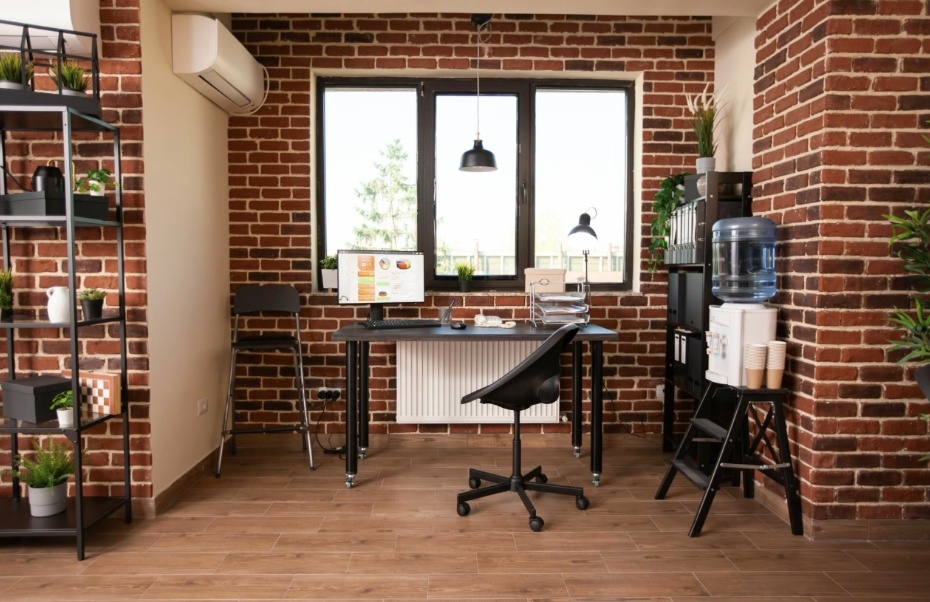
Industrial-chic aesthetics have taken over. Exposed ductwork, concrete floors with area rugs, metal accents, and Edison bulb lighting create that modern loft vibe. This style works especially well in basements where you’re working around existing mechanical systems.
Luxury home theaters are more accessible than ever. Technology has gotten better and cheaper. You can create an impressive theater experience without spending six figures. We’re talking proper acoustic panels, tiered seating, and immersive sound systems.
Wellness spaces are booming. Home gyms, yoga studios, meditation rooms, and even small saunas or cold plunge setups. People want dedicated wellness areas at home.
ADU conversions are increasingly popular where legal. Turning your basement into an accessory dwelling unit with a separate entrance, kitchen, and bathroom creates rental income or a multigenerational living space.
Smart home integration is expected, not optional. Automated lighting, climate control, entertainment systems, and security all controlled from your phone. Basements are perfect for showcasing smart home technology.
Wet bars and entertainment zones remain classics but are getting more sophisticated. We’re seeing full bars with draft beer systems, wine fridges, and professional-grade setups rivaling actual bars.
Natural light solutions are better than ever. Egress windows, window wells with covers, light wells, and even artificial skylights help solve the traditional dark basement problem.
For Remote Workers: The Professional Home Office
Working from home isn’t going away. Many people need dedicated office space that’s separate from family chaos.
Basements make excellent home offices because they’re naturally quiet and separated from household traffic. You can take video calls without kids photobombing. You can focus without kitchen noise.
Key features for basement offices include proper lighting since natural light is limited. Invest in quality LED panels that mimic daylight. Add task lighting at your desk. Layer ambient, task, and accent lighting for a professional feel.
Soundproofing matters for video calls and concentration. Add insulation to ceiling joists before finishing. Use acoustic panels on walls. Install solid core doors. Heavy curtains or area rugs help absorb sound.
Climate control is critical. Basements can be cold and damp. Install proper HVAC extensions or dedicated units. Add a dehumidifier. Nobody works well when they’re uncomfortable.
Built-in storage keeps the office organized. Custom shelving for books and files. Closed cabinets to hide clutter during video calls. Dedicated spaces for equipment and supplies.
Ergonomic setup prevents injury. Invest in a quality desk and chair. Position monitors at proper height. Ensure adequate space for movement and stretching.
Tech infrastructure needs attention. Ensure strong WiFi coverage, possibly adding a mesh system or hardwired ethernet. Plan for adequate outlets and cable management. Consider backup power solutions.
Professional aesthetics help maintain a work mindset. Choose calming colors like blues and grays. Add professional artwork. Keep it clean and uncluttered. This is your workspace, not a storage room with a desk.
For Families: The Ultimate Playroom and Recreation Space
Families with kids desperately need contained play areas. Basements are perfect because they keep the mess and noise away from the main living areas.
Durable finishes are essential with kids. Luxury vinyl plank flooring handles spills and roughhousing better than carpet. Washable paint on walls. Furniture that can take abuse.
Age-appropriate zones work well in larger basements. A corner for toddlers with soft play equipment. An area for older kids with gaming or crafts. A teen hangout zone with a different vibe. Everyone gets their space.
Built-in storage solutions prevent toy explosions. Cubbies, bins, and shelving keep things organized. Make storage accessible so kids can clean up themselves. Label everything with pictures for younger children.
Activity-specific areas increase functionality. A craft corner with washable surfaces and supply storage. A reading nook with bean bags and bookshelves. A building zone for Legos and blocks. A performance area with a small stage for kids who love drama.
Technology integration keeps kids entertained. Large TV for movies and gaming. Good sound system. Gaming console setup. Charging stations for devices. Strong WiFi coverage.
Safety considerations are paramount. Pad sharp corners. Secure heavy furniture to walls. Use cordless window coverings. Install GFCI outlets. Ensure proper egress windows for emergency exit.
Room to grow means planning ahead. That playroom for toddlers should be designed to transition to a teen hangout later. Choose neutral finishes that work across age ranges. Plan for changing needs.
For Entertainment: The Home Theater Experience
Home theaters remain one of the most popular basement projects. You’re creating an experience, not just a TV room.
Proper room dimensions matter for acoustics. Rectangular rooms work best. Avoid perfect squares, which create sound issues. The golden ratio is length 1.6 times the width. Ceiling height of at least seven and a half feet, preferably eight or nine.
Acoustic treatment transforms the experience. Sound-absorbing panels on walls. Bass traps in corners. Acoustic ceiling tiles. The goal is to control sound reflections and prevent echo.
Tiered seating creates the theater feel. Even a single raised row in the back improves sightlines. Theater-style recliners are affordable now. Consider cup holders, USB charging, and motorized recline.
Quality projection or a large screen is the centerpiece. Projectors have gotten amazing and affordable. For smaller rooms, a large-format TV works great. Consider screen size based on viewing distance and room dimensions.
Surround sound immerses viewers. Modern systems with height speakers create three-dimensional soundscapes. Proper speaker placement matters enormously. Consider in-wall or in-ceiling speakers for clean aesthetics.
Lighting control sets the mood. Dimmable LED strips along floor or stairs for safety. Sconces that don’t create screen glare. Complete blackout capability for daytime viewing. Smart controls to automate everything.
The concession area adds authenticity. A popcorn machine, candy display, and mini fridge make it feel like a real theater. Even a small bar area elevates the experience.
Soundproofing prevents disturbing the rest of the house. Insulate walls and ceiling. Use resilient channel to decouple the drywall. Seal all penetrations. Install solid core doors with weather stripping.
For Fitness Enthusiasts: The Home Gym
Home gyms boomed during the pandemic and haven’t slowed down. Basements work perfectly because you can make noise, sweat, and not worry about disturbing anyone.
Flooring needs to handle heavy equipment and impact. Rubber gym flooring is ideal. It protects the foundation, reduces noise, and provides cushioning. Interlocking tiles make installation easy.
Ceiling height determines what exercises you can do. You need at least eight feet for most activities. Nine or ten feet allows pull-ups and overhead lifts to be performed comfortably. Measure before committing to gym use.
Ventilation keeps the space usable. Basements get stuffy during workouts. Add fans or HVAC vents specifically for the gym area. Consider a separate dehumidifier since you’ll be adding moisture from sweat.
Mirrors expand the space visually and help with form. Full-length mirrors on one or two walls. Properly secured to studs. They make small basement gyms feel much larger.
Equipment selection depends on your workout style. Cardio equipment like treadmills or bikes. Free weights and a rack system. Functional training area with space for bodyweight exercises. Choose quality over quantity.
Storage keeps equipment organized. Wall-mounted racks for weights. Pegboard for resistance bands and small items. Dedicated spaces for yoga mats and accessories. Everything has a home.
Entertainment options prevent boredom. TV for streaming workout classes or entertainment during cardio. Quality sound system. Good WiFi for connected fitness equipment.
Motivational design helps consistency. Bright, energizing colors. Motivational quotes or artwork. Good lighting that energizes rather than depresses. Make it a space you want to spend time in.
For Extra Income: The Rental Suite
Converting basements to rental units generates income while increasing home value. This requires more investment but can pay off significantly.
Separate entrance is usually required by code and preferred by renters. External stairs leading directly to basement. Separate address if possible. Privacy for both you and tenants.
Full kitchen makes it a true apartment. Even a small kitchenette with stove, fridge, and sink. Proper ventilation for cooking. This dramatically increases rental value.
Complete bathroom is non-negotiable. Full bath with shower or tub. Proper ventilation to prevent mold. Code-compliant plumbing throughout.
Bedroom and living area should feel like a complete home. Separate spaces for sleeping and living if possible. Adequate closet storage. Comfortable, livable square footage.
Soundproofing between levels protects everyone’s privacy. Serious insulation between floor joists. Resilient channel on ceiling. Separate HVAC systems if budget allows.
Legal compliance is critical. Research local ADU laws. Pull proper permits. Ensure egress windows meet code. Have inspections done properly. Illegal rentals create major liability.
Separate utilities make billing easier. Separate meters for electricity if possible. Separate HVAC system. Clearly defined utility responsibilities in lease agreement.
For Multigenerational Living: The In-Law Suite
Aging parents or adult children moving back home? An in-law suite provides independence while keeping family close.
Accessibility features matter for older adults. Zero-step entry if possible. Wide doorways for wheelchair access. Grab bars in bathroom. Walk-in shower with seating. Lever-style door handles.
Privacy for everyone is essential. Separate living area, bedroom, and bathroom. Kitchenette allows independent meal prep. Soundproofing between levels. Everyone needs their own space.
Safety considerations increase with age. Non-slip flooring. Adequate lighting everywhere. Emergency call system. Clear pathways without trip hazards. Bathroom safety features.
Comfort and independence maintain dignity. Separate climate control. Personal entrance if possible. Space for their furniture and belongings. It should feel like their home, not a basement.
For Hobbyists: The Creative Studio
Artists, crafters, woodworkers, and other hobbyists need a dedicated creative space.
Work surfaces appropriate to the craft. Large tables for spreading out projects. Durable finishes that handle mess. Proper height for comfortable work.
Specialized storage keeps supplies organized. Shelving for materials. Drawers for tools. Pegboard for frequently used items. Closed storage to keep dust off materials.
Proper lighting is critical for detailed work. Bright task lighting over work areas. Natural light from egress windows when possible. Adjustable lighting for different tasks.
Ventilation handles fumes and dust. Exhaust fans for painting or finishing work. Dust collection for woodworking. Open windows for air circulation. Safety matters with hobby chemicals.
Dedicated utilities support equipment. Adequate electrical outlets and amperage. Water source for cleaning. Proper drainage. Specific utilities depend on the hobby.
An inspiring atmosphere encourages creativity. Display finished projects. Organize supplies beautifully. Choose colors that inspire. Create a space you’re excited to work in.
The Bottom Line
Your basement remodeling project should match your actual needs, not just follow trends.
Think about how you’ll really use the space. Be honest about your lifestyle and priorities. A home theater sounds cool, but if you rarely watch movies, a home gym or office might serve you better.
Consider long-term flexibility. Needs change. Kids grow up. Jobs change. Design spaces that can evolve. That playroom should be convertible to a teen hangout or guest suite later.
Budget realistically. Basements require significant investment. Foundation issues, waterproofing, egress windows, and HVAC all add costs beyond basic finishing. Get multiple quotes and plan for overruns.
Work with professionals for complex projects. Especially for rental suites requiring plumbing and separate systems. Permits and code compliance matter. Don’t cut corners on safety and legality.
Your basement represents hundreds of square feet of potential. Stop using it just for storage. Transform it into a space that improves your daily life and adds real value to your home.
