
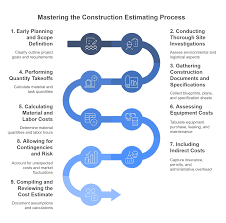

Accuracy is the backbone of every successful construction project, yet many workflows still rely on outdated methods that create confusion and inefficiencies. Estimation is no longer just about numbers—it is about creating a structured, intelligent process that delivers consistent and reliable results. As projects become more complex, the need for better workflow design grows.
Many companies today are turning to Electrical Estimating Service to improve their cost planning and reduce errors. However, simply using external services is not enough. The real transformation happens when these services are integrated into a well-organized workflow that ensures clarity, speed, and precision from start to finish.
In a modern environment, workflow design must evolve to meet changing demands. It should not only focus on accuracy but also on adaptability and efficiency. By rethinking traditional approaches, businesses can create systems that support better decision-making and improved project outcomes.
Rethinking Workflow Structure for Modern Needs
Traditional estimator workflows often lack structure and consistency. Tasks are performed in isolation, leading to miscommunication and delays. A modern workflow, however, focuses on integration—connecting each stage of the process logically and seamlessly.
A strong workflow begins with clear phases such as data collection, analysis, review, and reporting. Each phase should have defined roles and responsibilities, ensuring that everyone involved understands their tasks. This structured approach reduces confusion and improves efficiency.
Innovation plays a key role in this transformation. By introducing automated processes and centralized data systems, teams can eliminate repetitive tasks and focus on more strategic activities. This not only saves time but also enhances the overall quality of estimates.
Integrating Design Data for Improved Precision
One of the most effective ways to improve estimation accuracy is by integrating design data directly into the workflow. This eliminates guesswork and ensures that estimates are based on reliable information. CAD drafting services play a crucial role in this integration.
Digital drawings provide detailed measurements and specifications that can be used directly in cost planning. For example, when a design clearly defines dimensions and materials, estimators can develop more accurate projections without relying on manual interpretation.
Even though estimation involves numerical insights, modern workflows focus on simplifying the process rather than relying on complex calculations. The goal is to create a smooth connection between design and estimation, ensuring that every detail is captured efficiently.
Leveraging Technology for Workflow Efficiency
Technology has become a driving force in improving estimator workflows. Advanced tools allow teams to automate repetitive tasks, manage data more effectively, and collaborate in real time. This includes processes like Lumber Takeoff, which help ensure precise material calculations while reducing manual effort. This leads to faster and more accurate results.
Cloud-based platforms enable multiple users to access and update project information simultaneously. This ensures that everyone is working with the latest data, reducing the risk of errors. Automated tools can also handle tasks such as quantity takeoffs and cost updates, saving valuable time.
Data analytics further enhances workflow efficiency by providing insights into past projects. By analyzing historical data, teams can identify trends and make better decisions for future projects. This data-driven approach is essential for modern estimation practices.
Building Consistency Through Standardization
Consistency is a key factor in achieving reliable results. Without standardized processes, it becomes difficult to maintain quality across projects. A well-designed workflow includes templates, checklists, and predefined procedures to ensure uniformity.
For instance, using a standard format for cost estimates ensures that all necessary details are included and presented clearly. This makes it easier for stakeholders to review and understand the information. At the same time, workflows should remain flexible enough to adapt to unique project requirements.
A balanced approach to standardization allows teams to maintain consistency while still encouraging creativity and innovation. This ensures that workflows remain both efficient and adaptable.
Enhancing Collaboration and Communication
Effective communication is essential for any workflow to succeed. Estimator workflows often involve multiple stakeholders, including engineers, project managers, and clients. Clear communication ensures that everyone is aligned and working toward the same goals.
A practical workflow includes defined communication channels and regular updates. This helps prevent misunderstandings and ensures that issues are addressed promptly. Collaboration tools further enhance communication by enabling real-time sharing of information.
Transparency is another important aspect. When all stakeholders have access to the same data, it becomes easier to track progress and make informed decisions. This level of openness builds trust and improves overall project outcomes.
The Role of Expertise in Achieving Accuracy
While technology and structured processes are essential, the human element remains a critical component of successful workflows. Experienced construction estimators bring valuable insights and practical knowledge that enhance the accuracy of estimates.
Their ability to analyze complex scenarios and identify potential risks adds depth to the workflow. By combining human expertise with advanced tools, companies can create systems that are both efficient and reliable.
Continuous learning is also important. As new technologies and methods emerge, teams—especially every Construction Estimator—must stay updated to remain competitive. Investing in training ensures that workflows evolve alongside industry advancements.
Final Thoughts
Rethinking estimator workflow design is essential for achieving accuracy and efficiency in modern construction projects. By integrating design data, leveraging technology, and fostering collaboration, businesses can create workflows that deliver consistent and reliable results.
A creative yet practical approach ensures that workflows are adaptable and future-ready. As the industry continues to evolve, companies that prioritize better workflow design will be better positioned to achieve long-term success.
Frequently Asked Questions
1. What is estimator workflow design?
It is the structured process of organizing tasks and tools to create accurate project cost estimates.
2. Why is workflow design important in construction?
It improves efficiency, reduces errors, and ensures consistency across projects.
3. How do digital tools improve estimation workflows?
They automate tasks, enhance accuracy, and enable real-time collaboration.
4. What role does standardization play in workflows?
Standardization ensures consistency and quality in estimation processes.
5. How can companies improve their estimator workflows?
By adopting modern tools, refining processes, and investing in training and continuous improvement.
