
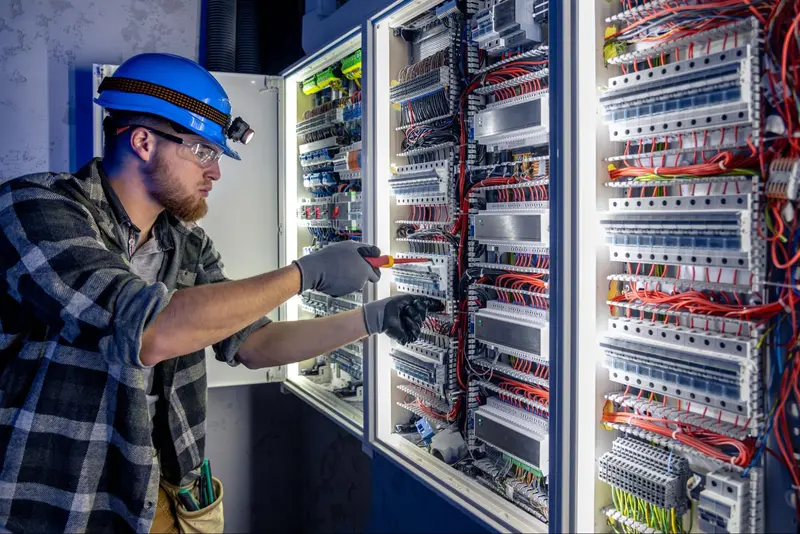

Modern businesses run on electricity in ways we barely notice until something goes wrong. From laptops and servers to lighting, security, HVAC, payment systems, and even the coffee machine that keeps teams functioning, power is the quiet foundation of daily operations. When electrical systems are stable, everything feels smooth. When they are not, productivity drops fast, equipment is put at risk, and small issues can turn into costly disruptions.
That is why electrical reliability is not only a facilities concern. It is a business wellness concern. A safe, well maintained electrical setup reduces stress, protects assets, improves comfort, and supports operational continuity. For many business owners, this becomes most obvious in peak seasons, during expansion, or when older buildings are asked to handle modern power demands.
When an electrical issue appears, having access to a trusted Sacramento electrician can be the difference between a quick, controlled fix and a disruption that affects staff, customers, and revenue.
Why businesses underestimate electrical risk
Electrical systems tend to be invisible when they work. That invisibility makes them easy to postpone. Many small businesses operate in older retail spaces, converted buildings, or leased offices where upgrades were done years ago. Over time, equipment changes but the infrastructure stays the same. More devices are plugged in, more chargers appear, and power strips become permanent. Then, one day, breakers start tripping, lights flicker, or outlets feel unreliable.
These are not just annoyances. They are early warning signs that the system is under stress. Ignoring them increases the chance of downtime and equipment damage, and it can create real safety risks.
Productivity and comfort are directly linked to power quality
Work environments rely on predictable lighting, consistent temperature control, and uninterrupted connectivity. If lighting is harsh, uneven, or failing, staff fatigue increases. If HVAC is unreliable, comfort drops and concentration suffers. If circuits cannot handle demand, people lose time resetting systems, relocating equipment, or pausing work entirely.
Even short interruptions can add up. A 10 minute outage during peak customer hours can mean lost sales. A flicker that restarts a point of sale system can create long queues. A weak circuit that cannot support equipment can limit what the business can offer.
Reliable electrical infrastructure quietly supports better performance because it removes friction from the day.
Safety and liability are part of the equation
From a business standpoint, safety is not only ethical. It is also financial. Electrical faults can lead to damaged equipment, fire risk, and compliance problems. Businesses have a duty to provide safe conditions for employees and customers, and electrical hazards can undermine that quickly.
Common red flags include outlets that feel warm, buzzing sounds near switches, burning smells, repeated breaker trips, or extension cords used as permanent wiring. These signs are especially important in environments with high power loads such as restaurants, salons, workshops, and retail stores running multiple devices.
When safety is handled proactively, businesses reduce exposure to liability and reduce the chance of emergencies that lead to closures.
The hidden cost of reactive fixes
Many businesses only address electrical issues when something fails. Reactive repairs are almost always more expensive than planned upgrades, not only because of the urgency but because of the disruption.
A planned inspection and upgrade can be scheduled around quieter hours, phased by area, and coordinated with other work. Emergency repairs happen on the worst day, during the busiest time, and often require shutting down equipment immediately.
A proactive approach protects cash flow by reducing surprise costs and improving long term stability.
Electrical readiness supports growth
Growth often increases electrical demand. Adding workstations, new equipment, more lighting, upgraded signage, or new HVAC zones can push older systems beyond what they were designed to handle.
Businesses that plan for electrical capacity early are able to expand more smoothly. They avoid the common scenario where a new system is installed but the building cannot support it without additional upgrades. When electrical readiness is built into the growth plan, expansion becomes easier and less stressful.
This matters for startups, clinics, retail expansions, and any operation that expects to scale equipment or opening hours.
What business owners can do now
You do not need to become an expert to take smarter steps. A few practical actions can reduce risk immediately.
First, audit how your space uses power. Identify high load devices, areas with frequent breaker trips, and places where power strips and extension cords are doing too much work.
Second, pay attention to patterns. If a circuit trips repeatedly, something is wrong. If lights flicker when equipment turns on, the system may be overloaded or connections may be loose. Patterns are signals.
Third, schedule preventive checks rather than waiting for breakdowns. A professional can assess panels, identify outdated components, improve safety, and recommend upgrades that match your actual usage.
Fourth, build electrical planning into any renovation or equipment upgrade. Electrical infrastructure should not be an afterthought, because it determines whether other investments perform properly.
A business wellness mindset
The term wellness is often used for people, but it applies to systems too. A well run business depends on stable foundations. Electrical reliability is one of those foundations, and it affects everything from comfort to safety to revenue stability.
When power is reliable, teams work better. Customers have smoother experiences. Equipment lasts longer. And owners spend less time handling emergencies and more time focusing on growth.
In today’s environment, where many businesses rely on technology and operate under tight margins, that stability is not a luxury. It is a competitive advantage.
