

Your teeth affect how you eat, speak, and connect with people every day. When stains, chips, or gaps appear, you may start to hide your smile. That quiet habit can drain your confidence and your mood. Teeth whitening, bonding, and veneers each solve different problems. You might need brighter color. You might want to fix a small crack. You might want a full change in shape and size. Each choice has limits, costs, and benefits. You deserve clear signs that show when it is time to act. This guide explains four warning signs that your smile needs more than brushing and flossing. It also shows how comprehensive dental services in New Hope, PA can match you with the right option. You can protect your teeth. You can feel steady when you smile in photos, meetings, and daily life.
1. Stains That Do Not Respond To Daily Care
Some stains sit only on the surface. Coffee, tea, and tobacco cause this kind of color change. Regular brushing and flossing can help. So can cleanings in a clinic. Still, some stains sink deeper into the tooth. Age, certain medicines, or past injury can darken the inner layer.
It is time to consider whitening, bonding, or veneers if you notice three things.
- Your teeth stay yellow or brown even after a cleaning.
- Whitening toothpaste or strips do not change the shade.
- One tooth looks darker than the rest.
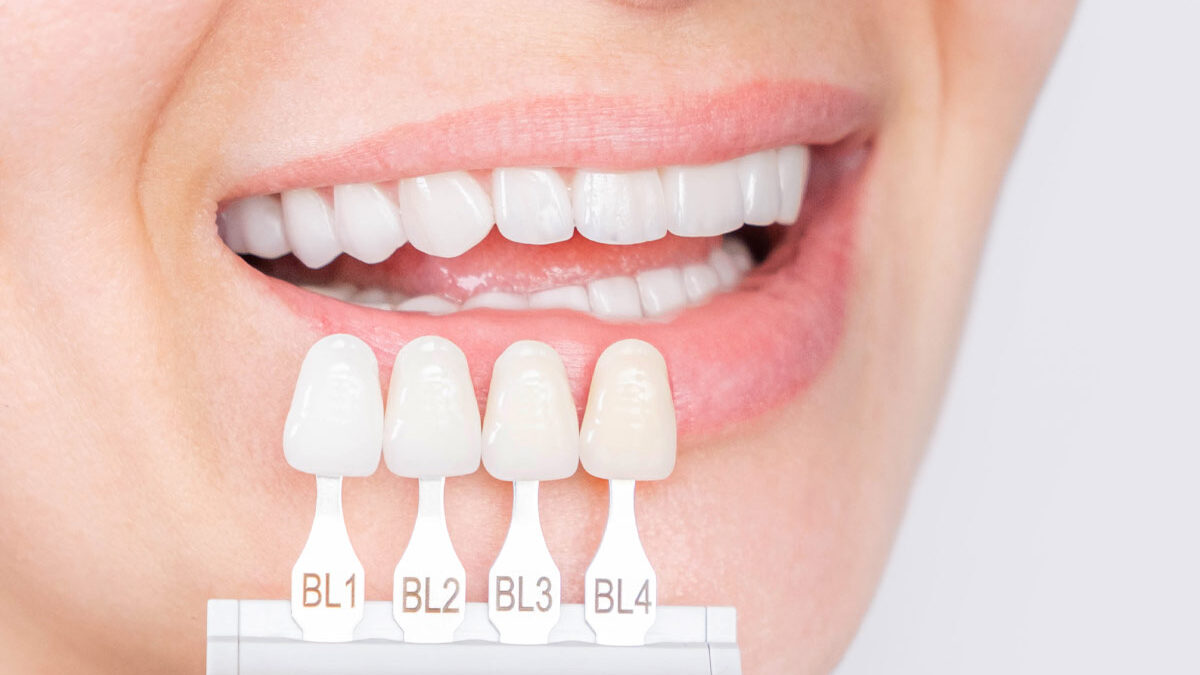
Surface stains often respond to professional whitening. Deep stains or dark spots may need bonding or veneers. You do not need to guess. A clear exam and shade guide can show what is possible.
For simple facts about stains and enamel, you can read the National Institute of Dental and Craniofacial Research page on tooth decay.
2. Chips, Cracks, or Rough Edges
Small chips and cracks may seem minor. You might feel a rough spot with your tongue. You might see a tiny corner missing in photos. Over time, that weak point can catch food. It can also put pressure on nearby teeth.
Consider treatment when you notice any of these signs.
- A chip that keeps getting larger.
- Sensitivity when you drink cold water.
- A rough edge that cuts your lip or cheek.
Bonding often repairs small chips. A tooth colored resin covers the damaged part. Veneers can help if the damage affects the front surface or if several teeth share the same problem. Whitening alone will not fix a chip.
The American Dental Association has clear guidance on chipped or broken teeth at ADA chipped teeth information. That page explains risks when you wait too long.
3. Gaps, Uneven Shapes, or Worn Teeth
Spaces between teeth can affect how you chew and speak. Uneven shapes can also trap food. Worn or flat teeth may show years of grinding at night. These changes can strain your jaw and your gums.
It is time to look at bonding or veneers if you notice three common patterns.
- A gap that makes you press your tongue forward when you talk.
- Short front teeth that look flattened in photos.
- One tooth that looks twisted, narrow, or much smaller than nearby teeth.
Bonding can close small gaps and reshape edges. Veneers can change the size and shape of several teeth at once. Whitening can match the color first. Then, bonding or veneers can refine the shape.
4. You Hide Your Smile Or Avoid Social Moments
Emotional signs matter. You may notice you cover your mouth when you laugh. You may avoid close photos. You may refuse video calls. These habits can strain your relationships. They can also increase stress.
Consider whitening, bonding, or veneers if you catch yourself doing the following three things.
- Smiling with closed lips in every picture.
- Turning your head so people do not see certain teeth.
- Skipping events because you feel uneasy about your teeth.
Your feelings give real data. They show the effect of stains, chips, or gaps on your daily life. A calm talk with a dentist can turn those quiet worries into a clear plan.
Comparing Whitening, Bonding, and Veneers
This table gives a simple comparison. It does not replace a personal exam. It can help you start to sort choices before your visit.
| Treatment | Main Goal | Best For | Common Limits |
|---|---|---|---|
| Whitening | Lighten tooth color | Surface stains on several teeth | Cannot change shape or fix chips |
| Bonding | Repair or reshape parts of teeth | Small chips, gaps, or rough spots | Material can stain and may need touch-ups |
| Veneers | Change color and shape of front teeth | Deep stains, uneven or worn teeth | Irreversible change and higher cost |
How To Decide Your Next Step
You do not need to sort this alone. A strong decision usually follows three steps.
- First, name your main concern. Color, shape, damage, or all three.
- Second, learn which treatments match that concern.
- Third, talk through cost, time, and upkeep during a visit.
Before any cosmetic work, you need healthy gums and teeth. Routine exams and cleanings protect against decay and gum disease. They also prepare your mouth for whitening, bonding, or veneers. A dentist can show you which change will give the biggest effect with the least work.
Your smile carries your story. When stains, chips, or gaps start to control that story, it is time to act. Clear signs already live in your mirror, your photos, and your daily habits. You can face them with steady support and precise care.
