
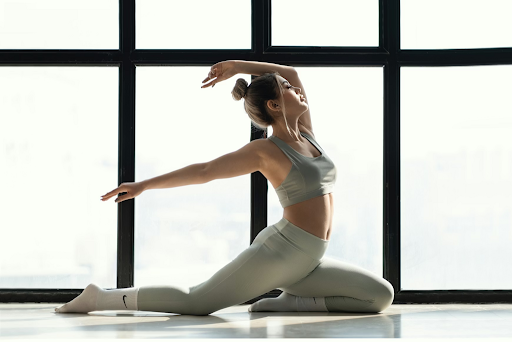

Durham’s fitness landscape has shifted noticeably in recent years, with Pilates emerging as more than just another workout trend. The practice—rooted in controlled movement, breath work, and mindful alignment—has attracted everyone from former athletes nursing old injuries to office workers seeking relief from chronic back pain. What began as a rehabilitation method in early 20th-century New York has evolved into a comprehensive approach to physical and mental health, one that Durham residents are embracing in growing numbers.
The city’s Pilates community reflects this evolution. Studios here aren’t just teaching exercises; they’re fostering spaces where physical training intersects with broader wellness practices. Among them, FlowCorps has carved out a distinctive position by weaving cultural awareness into its programming, treating the body as inseparable from the mind and the community it inhabits.
How Pilates Became a Wellness Staple
Joseph Pilates developed his method during World War I, initially working with injured soldiers in England. His system emphasized core strength, controlled breathing, and precise movement—principles that proved effective for rehabilitation and general fitness alike. By the mid-20th century, dancers had adopted the practice for injury prevention and performance enhancement. Today, research from Harvard Medical School and similar institutions continues to validate what practitioners have long observed: regular movement practices improve not just physical capacity but mental resilience.
The benefits extend across multiple dimensions:
- Physical adaptation: Strengthens deep stabilizing muscles, improves joint mobility, and builds functional movement patterns that translate to daily activities
- Mental regulation: Reduces cortisol levels, improves focus, and provides a structured practice for managing anxiety
- Injury recovery: Offers low-impact rehabilitation that rebuilds strength without aggravating existing conditions
- Postural correction: Addresses imbalances created by sedentary work and repetitive movement patterns
According to a systematic review published in the National Institutes of Health database, Pilates demonstrates measurable improvements in chronic lower back pain, balance, and quality of life markers. These findings help explain why the practice has moved from niche studios to mainstream fitness centers across the country.
What Sets FlowCorps Apart in Durham
Situated within Durham’s growing fitness corridor, FlowCorps is built on the idea that physical wellness is deeply connected to cultural and community context. Its instructors lead participants through classic Pilates sequences while integrating a more holistic perspective—recognizing each individual’s background, stressors, and personal relationship to movement. Comparable studios such as Club Pilates and Solidcore also offer structured programs, though with varying approaches to personalization and community engagement.
The programming reflects this philosophy. Classes range from foundational mat work for beginners to advanced reformer sessions for experienced practitioners. But beyond the technical progression, FlowCorps hosts workshops that explore topics like movement as cultural expression, the intersection of fitness and mental health, and community-building through shared physical practice.
This approach resonates particularly in Durham, a city known for its diverse population and progressive values. Participants aren’t just working through exercises; they’re part of a community that views wellness as multifaceted and deeply personal.
Understanding Pilates Equipment
Walking into a Pilates studio for the first time can feel disorienting. The equipment—springs, pulleys, sliding platforms—looks more like a physical therapy clinic than a typical gym. Each apparatus serves specific purposes:
- Reformer: The most versatile piece, using spring resistance and a sliding carriage to create variable load. Effective for building strength while maintaining joint safety
- Cadillac (or Tower): A bed-like frame with bars and springs attached, allowing for both supported and suspended exercises. Particularly useful for rehabilitation and advanced flexibility work
- Chair: Compact and deceptively challenging, designed to develop balance, coordination, and unilateral strength
- Mat: The foundation of the practice, requiring no equipment beyond body weight and gravity. Accessible but demanding in its own right
Beginners typically start with mat classes to learn fundamental movement patterns before progressing to apparatus work. The reformer often comes next, as its adjustable resistance accommodates various fitness levels. More advanced practitioners might incorporate the chair for targeted strength work or the Cadillac for complex movement sequences.
FlowCorps structures its classes to expose participants to multiple equipment types, preventing adaptation and ensuring comprehensive physical development. This variety also keeps sessions engaging—a factor that significantly impacts long-term adherence to any fitness practice.
Beyond Local: The Broader Pilates Network
Durham’s Pilates community doesn’t exist in isolation. Instructors here often train at national certification programs, attend conferences in cities like San Diego and New York, and participate in online forums where practitioners share techniques and insights. This broader network elevates local teaching quality and keeps Durham studios current with evolving best practices.
The community aspect extends to practitioners as well. Many studios, including FlowCorps, host events that bring together people at different stages of their Pilates journey. These gatherings serve multiple functions:
- Knowledge exchange: Experienced practitioners share what they’ve learned; newcomers ask questions in a supportive environment
- Motivation and accountability: Regular community contact increases the likelihood of maintaining a consistent practice
- Resource sharing: Information about workshops, visiting instructors, and complementary wellness practices circulates through these networks
Group fitness activities trigger neurochemical responses that enhance both enjoyment and commitment. The Pilates community leverages this effect, creating social structures that support long-term wellness rather than short-term fitness goals.
Integrating Pilates Into Daily Life
The real value of Pilates emerges not in individual sessions but in sustained practice over months and years. Regular participation creates cumulative benefits that extend far beyond the studio:
- Movement awareness: You begin noticing how you sit, stand, and move throughout the day, naturally correcting harmful patterns
- Stress regulation: The breath work and focused attention practiced in class become tools you can deploy during difficult moments
- Physical resilience: Strengthened stabilizing muscles and improved flexibility reduce injury risk in other activities and daily tasks
- Mental clarity: The concentration required during practice trains your ability to focus, a skill that transfers to work and personal life
Starting a Pilates practice doesn’t require dramatic lifestyle changes. Most practitioners begin with one or two classes per week, gradually increasing frequency as the practice becomes habitual. The key is consistency rather than intensity—showing up regularly matters more than pushing for advanced exercises before you’re ready.
For Durham residents interested in exploring this approach to wellness, studios like FlowCorps offer entry points that accommodate various experience levels and goals. The investment isn’t just in physical fitness but in a more integrated approach to health—one that recognizes the body as part of a larger system that includes mind, community, and culture.
