
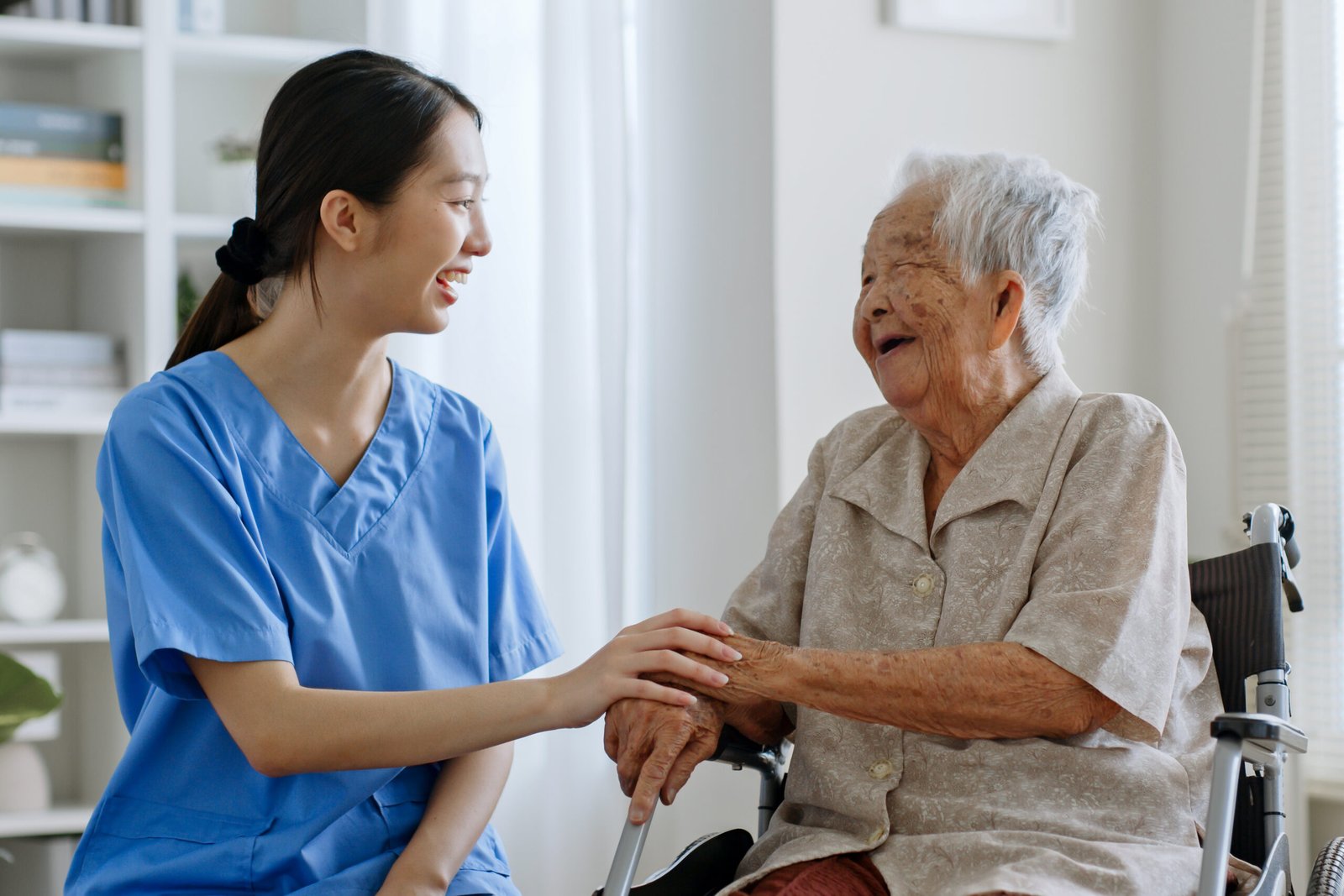

When someone is living with a serious or life-limiting illness, their priorities may begin to change. Alongside medical treatment, greater importance is often placed on comfort, emotional wellbeing and spending meaningful time with loved ones. For many people, remaining in their own home becomes an important part of maintaining the best possible quality of life.
Palliative care focuses on relieving symptoms and addressing the physical, psychological, social and spiritual needs associated with serious illness. It is not limited to the final days of life and can be provided alongside treatments intended to manage or prolong life. Although hospitals, hospices and residential facilities all play important roles, receiving palliative care at home can offer significant benefits when appropriate professional support is available.
Comfort and Familiarity During a Difficult Time
One of the greatest advantages of receiving palliative care at home is the comfort of familiar surroundings. Serious illness can bring uncertainty, anxiety and considerable disruption to everyday life. Being able to remain in a familiar bedroom, surrounded by personal possessions and the people who matter most, can provide reassurance at a time when so much else may feel beyond someone’s control.
Home also offers opportunities to maintain small but meaningful aspects of normal life. Listening to favourite music, enjoying a familiar view from the window or spending time with a much-loved pet can bring pleasure and emotional comfort. These experiences may seem ordinary, but they can become particularly important when illness restricts mobility and independence.
For someone who has spent many years in the same home, remaining there may also preserve a sense of identity and continuity. Rather than adjusting to the routines of a hospital or care facility, the individual can continue to experience the environment in which they feel most secure.
Greater Choice and Control Over Daily Life
Maintaining personal choice is a central principle of good palliative care. Even when someone requires substantial assistance, they should remain involved in decisions about their care and daily routine wherever possible.
Receiving support at home can make it easier to accommodate individual preferences. Someone may wish to eat at particular times, receive visitors throughout the day or rest whenever they feel tired. Care can often be arranged around these preferences, rather than being determined by the practical demands of a shared care environment.
This flexibility can be especially valuable when symptoms fluctuate. Some days may allow for conversation, visitors and enjoyable activities, while others require greater rest and quiet. A personalised care plan can respond to these changing circumstances while respecting the person’s wishes.
Advance care planning can also play an important role. Discussing preferences for future treatment, emergency situations and preferred place of care allows individuals and families to make informed decisions with support from healthcare professionals.
Spending Meaningful Time with Family and Friends
Serious illness affects entire families, not just the person receiving care. Hospital visits, travelling and restrictions associated with clinical environments can make spending time together more complicated, particularly when relatives have work commitments or live some distance away.
Receiving palliative care at home can create a more relaxed environment for family relationships. Loved ones can visit in familiar surroundings, share meals, talk or simply spend quiet time together without the same pressures that may accompany hospital visits.
For couples, remaining together at home can be especially important. The ability to continue sharing everyday experiences, even when one partner requires significant assistance, may provide emotional reassurance to both people.
Children and grandchildren may also find it easier to maintain contact in a familiar family setting. Visits can be adapted to the individual’s energy levels, allowing relationships to continue naturally while recognising the need for rest and privacy.
Personalised Support for Physical and Emotional Needs
Palliative care involves much more than managing physical symptoms, although effective relief of pain, breathlessness, nausea and other difficulties is an essential part of treatment.
Specialist palliative care teams, GPs, district nurses and other healthcare professionals may work together to assess symptoms, prescribe treatment and provide clinical support. Professional home carers can complement this care by assisting with washing, dressing, eating, mobility and other daily activities.
A familiar carer may also recognise subtle changes in comfort, mood or behaviour and communicate concerns promptly to the appropriate healthcare professionals. This continuity can be particularly reassuring when someone finds it difficult to explain how they are feeling.
Emotional support is equally important. Living with serious illness may bring fear, sadness, frustration or uncertainty, and having someone available to listen can make a meaningful difference. Good care recognises these emotional needs without assuming that everyone experiences illness in the same way.
Reducing Pressure on Family Carers
Families often want to provide as much support as possible when someone they love becomes seriously ill. However, the physical and emotional demands of caring can be considerable, particularly when assistance is needed throughout the day or during the night.
Professional home care can relieve some of this pressure by providing practical assistance and companionship. Depending on the individual’s needs, support might involve scheduled care visits, extended daytime assistance or live-in care.
This allows relatives to focus more fully on their personal relationship with their loved one rather than becoming overwhelmed by practical responsibilities. It can also provide reassurance that changing care needs are being recognised and addressed.
Where intensive nursing, frequent overnight interventions or complex symptom management are required, additional specialist services may be necessary. Families should not be expected to manage these responsibilities without appropriate professional guidance.
Making Care at Home Possible
Receiving palliative care at home requires careful planning and coordination. The person’s wishes, medical needs, home environment and available support must all be considered, and arrangements may need to change as illness progresses.
In the UK, NHS and community palliative care services may provide clinical support at home, while additional personal care can sometimes be arranged through local authority services, NHS Continuing Healthcare or privately funded care. Eligibility and availability vary according to individual circumstances.
For many people, the greatest benefit of home-based palliative care is the opportunity to remain somewhere they feel comfortable, surrounded by familiar people and possessions. When supported by appropriate medical services and compassionate carers, it can preserve dignity, personal choice and quality of life during an exceptionally important period.
