
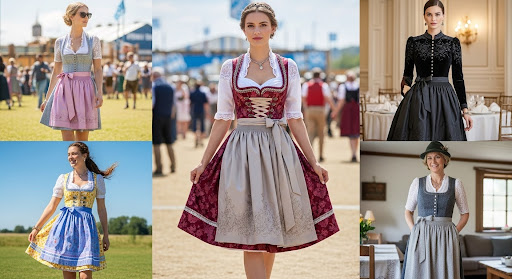

Bavaria is one of the most culturally rich regions in Germany, famous for its lively festivals, traditional music, and iconic clothing. When people picture Bavarian celebrations such as Oktoberfest, they often imagine men wearing german lederhosen and women dressed in beautiful dirndl. These outfits are not just festival costumes. They represent centuries of tradition, history, and cultural identity that continue to shape Bavarian celebrations today.
Traditional Bavarian clothing belongs to a category known as Tracht, which refers to regional garments worn for cultural and festive occasions. Over time, Tracht clothing evolved from everyday workwear into a symbol of pride and heritage. Among these garments, lederhosen and dirndls became the most recognizable outfits associated with Bavarian culture. Today, they are worn at festivals, weddings, and cultural gatherings, connecting modern celebrations with historical traditions.
The History of German Lederhosen
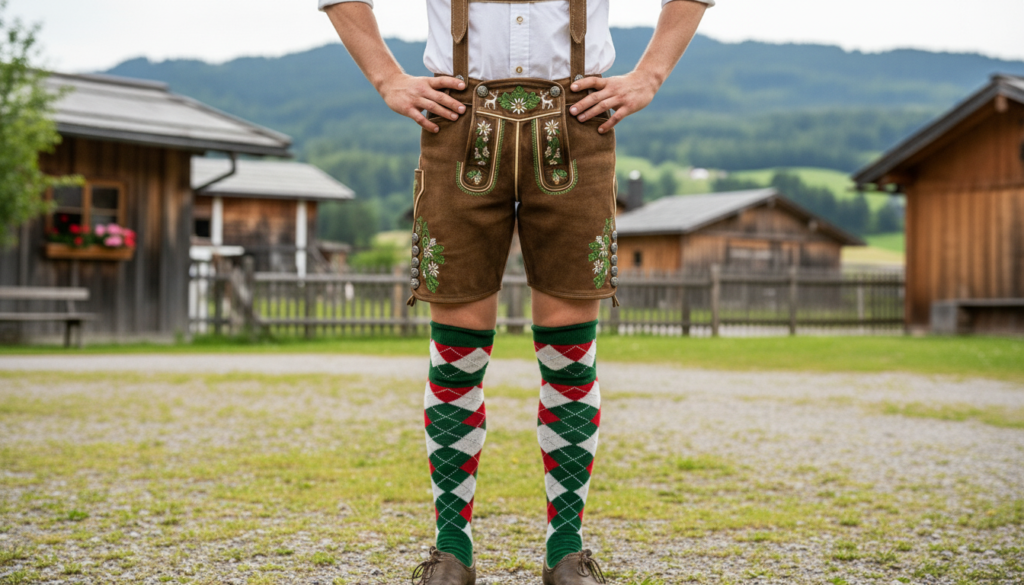
The story of German lederhosen begins in the Alpine regions of Germany and Austria during the 18th century. Originally, these leather shorts were designed as durable workwear for farmers, hunters, and laborers who needed strong clothing for outdoor tasks. Leather was the perfect material because it was resistant to damage and allowed flexibility during physical work.
Early lederhosen were typically made from deer, goat, or cow leather. Workers appreciated how these garments could last for years even under harsh conditions. The shorts were usually paired with suspenders, wool socks, and sturdy shoes, creating a practical outfit suitable for mountain environments and rural lifestyles.
At first, lederhosen were strictly associated with the working class. Farmers and laborers relied on them for daily activities such as farming, forestry, and animal care. However, during the 18th and 19th centuries, members of the Bavarian aristocracy began adopting this clothing for outdoor activities like hunting and horseback riding. As a result, lederhosen slowly gained popularity beyond rural communities.
During the late 19th century, traditional clothing faced a decline due to industrialization and changing fashion trends. Many people started wearing modern European clothing styles instead of traditional garments. Cultural preservation groups in Bavaria recognized the risk of losing traditional attire and began promoting Tracht clothing at festivals and community events.
This movement played a major role in reviving german lederhosen as a cultural symbol. Festivals such as Oktoberfest encouraged participants to wear traditional outfits, helping preserve Bavarian identity. Over time, lederhosen became the signature attire for men attending Bavarian events.
Today, lederhosen are celebrated for their craftsmanship and cultural significance. Authentic versions often feature detailed embroidery inspired by Alpine nature, including oak leaves, deer motifs, and floral designs. These decorative elements transform a simple leather garment into a representation of Bavarian heritage.
Modern brands continue to produce high-quality traditional attire for festivals and cultural celebrations. Some companies, such as Elederhosen, focus on maintaining traditional craftsmanship while making these garments accessible to people who want to experience authentic Bavarian culture.
The Story of Dirndl Dresses
While lederhosen represent traditional men’s clothing, dirndl dresses are the iconic garments worn by women at Bavarian events. The dirndl originated in the 19th century as practical clothing worn by female servants and farm workers in Alpine regions. The name “dirndl” actually comes from a Bavarian word that once referred to young women or girls.
The original dirndl was designed for everyday work. It consisted of a blouse, a fitted bodice, a full skirt, and an apron tied around the waist. This simple structure allowed women to move comfortably while working in kitchens, farms, or households. The apron served a practical purpose by protecting the skirt from dirt and stains.
Early dirndl dresses were made from durable fabrics such as cotton or linen. These materials were affordable and easy to clean, making them suitable for daily labor. The colors were usually simple and modest, reflecting the practical nature of the outfit.
As Bavarian culture evolved, the dirndl gradually transformed from workwear into festive attire. During the late 19th and early 20th centuries, traditional clothing gained popularity among urban populations who wanted to reconnect with rural traditions. Designers began creating more decorative versions of the dirndl using brighter colors, lace blouses, and embroidered details.
Festivals such as Oktoberfest played a major role in popularizing dirndl dresses. Women attending these celebrations started wearing elegant dirndls instead of simple work garments. Over time, the dress became a symbol of Bavarian femininity and cultural pride.
An interesting tradition associated with the dirndl involves the position of the apron knot. In Bavarian culture, the location of the knot can indicate a woman’s relationship status. When the apron bow is tied on the left side, it traditionally suggests the wearer is single. When tied on the right, it often means she is married or in a relationship.
Today, dirndl dresses are available in many styles ranging from traditional designs to modern interpretations. Some feature luxurious fabrics such as silk or velvet, while others maintain the classic cotton look used in historical garments. Regardless of style, the dirndl remains a powerful symbol of Bavarian heritage.
Traditional Clothing at Bavarian Events
Bavarian festivals are famous for their lively atmosphere, traditional music, and cultural performances. Clothing plays an essential role in creating this festive environment. When thousands of people gather wearing german lederhosen and dirndl dresses, the celebration becomes a visual display of cultural identity.
Oktoberfest is the most well-known Bavarian festival where traditional attire is widely worn. Millions of visitors travel to Munich each year to experience Bavarian food, beer, music, and cultural traditions. Wearing Tracht clothing allows both locals and tourists to feel connected to the spirit of the celebration.
Traditional dances such as the Schuhplattler are often performed by dancers wearing lederhosen. These energetic performances highlight the relationship between Bavarian clothing and cultural traditions. Similarly, women wearing dirndls participate in folk dances and festive gatherings, adding elegance and authenticity to the celebrations.
Beyond Oktoberfest, traditional clothing is also worn at regional fairs, weddings, and cultural festivals throughout Bavaria. These events help preserve centuries-old traditions and ensure that younger generations continue to appreciate their cultural heritage.
Conclusion
The history of german lederhosen and dirndl dresses reflects the deep cultural roots of Bavarian traditions. What started as simple workwear for farmers and servants eventually evolved into iconic garments worn at festivals and celebrations around the world.
These outfits represent more than fashion. They symbolize craftsmanship, cultural pride, and a connection to the past. Whether worn at Oktoberfest or local Bavarian festivals, lederhosen and dirndls continue to bring people together in celebration of tradition and heritage.
As Bavarian culture continues to inspire global audiences, these timeless garments remain an essential part of the festive spirit that defines Bavarian events.
