
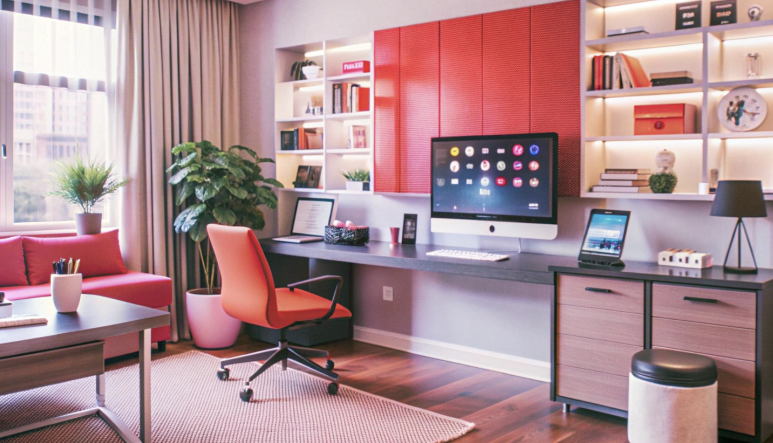

Color shapes how people feel the moment they walk into your space.
Your office walls aren’t just background. They influence mood, productivity, and even decision-making. The blue conference room calms negotiations. The yellow break room energizes tired employees. The gray lobby communicates professionalism.
Smart businesses understand this. They use color strategically to support their goals and brand identity.
If you’re updating your workspace, whether you hire commercial interior painting services Denver CO, or take on the project yourself, color choice should never be an afterthought. The right palette doesn’t just improve appearance; it influences mood, productivity, and how clients experience your business the moment they walk in.
Here’s how different colors impact workplace dynamics and what to consider when choosing your palette.
Blue: The Productivity Powerhouse
Blue dominates corporate environments for good reason. It boosts focus and mental clarity.
Why Blue Works in Offices
Studies show blue increases productivity. It encourages logical thinking and concentration. Employees working in blue environments report feeling more focused and efficient.
Blue also lowers blood pressure and heart rate. This creates a sense of calm that reduces workplace stress. In high-pressure industries, blue helps teams stay composed during critical moments.
Where to Use Blue
Private offices and individual workspaces benefit most from blue. It supports deep focus needed for complex tasks.
Conference rooms painted in medium blues facilitate clear communication. The color encourages rational discussion and reduces emotional reactions during negotiations.
Tech companies and financial institutions particularly favor blue. It aligns with their need for analytical thinking and trustworthiness.
Blue Variations and Their Effects
Light blues feel fresh and open. They work well in smaller spaces that need visual expansion.
Navy and deep blues project authority and sophistication. Executive suites and formal meeting spaces benefit from these deeper shades. Avoid overusing blue in creative spaces. Too much can feel cold and suppress innovative thinking.
Green: Balance and Well-Being
Green brings nature indoors, creating balanced, restorative environments.
The Calming Effect
Green reduces eye strain, especially important in screen-heavy workplaces. It’s the easiest color for eyes to process, requiring minimal adjustment.
This color lowers anxiety and promotes well-being. Employees in green environments report higher job satisfaction and lower stress levels.
Green also sparks creativity. It connects to growth and renewal, making it perfect for innovation-focused teams.
Ideal Green Applications
Break rooms painted green encourage genuine rest. Employees return to work feeling refreshed rather than still tense.
Healthcare facilities use green extensively. It creates healing environments that comfort patients and reduce stress for medical staff.
Sustainable and eco-conscious businesses align their values with green interiors. The color reinforces their brand messaging visually.
Finding the Right Green
Sage and soft greens create tranquil, sophisticated spaces. These work beautifully in professional services firms and wellness-focused businesses.
Brighter greens energize without overwhelming. They suit companies with youthful, dynamic brands.
Dark forest greens add richness and grounding. Paired with natural wood, they create premium, established feels.
Yellow: Energy and Optimism
Yellow radiates warmth and positivity, perfect for spaces needing energy infusion.
The Mood Elevator
Yellow stimulates mental activity and generates enthusiasm. It’s the most attention-grabbing color, making it impossible to ignore.
This color promotes communication and interaction. Teams working in yellow environments engage more actively and share ideas freely.
Yellow also increases optimism. It’s particularly valuable in customer-facing areas where positive energy matters.
Strategic Yellow Placement
Brainstorming rooms benefit from yellow accents. The color stimulates creative thinking and encourages unconventional solutions.
Reception areas with yellow touches feel welcoming and energetic. Clients receive an immediate positive impression.
Collaborative spaces where teams gather use yellow to boost interaction. The color naturally encourages conversation.
Yellow Cautions
Pure, bright yellow overwhelms quickly. Use it as an accent rather than covering entire walls.
Babies cry more in yellow rooms, and adults can become irritable with overexposure. Balance is crucial.
Soft buttery yellows provide warmth without the intensity. Golden yellows feel sophisticated while maintaining the color’s energizing properties.
Red: Intensity and Action
Red demands attention and increases energy levels immediately.
The Physical Response
Red raises heart rate and blood pressure. It creates urgency and stimulates physical activity.
This color enhances performance in physical tasks. Gyms and fitness centers use red strategically for this reason.
Red also stimulates appetite. Restaurants incorporate it to encourage dining and conversation.
Where Red Excites
Retail environments use red to drive purchases. It creates impulse buying behavior and draws attention to sales.
Emergency response facilities incorporate red strategically. It aligns with their quick-action nature.
Restaurants and bars add red in dining areas. It encourages social interaction and longer stays.
Managing Red’s Intensity
Full red walls overwhelm office environments. Most businesses use red as accent colors instead.
Deep burgundies and wine reds feel more sophisticated. They work in upscale establishments without the aggressive feel of bright red.
Paired with neutral tones, red adds energy without dominating. A red feature wall in an otherwise neutral room creates the perfect balance.
Gray: Professional Neutrality
Gray dominates modern commercial spaces as the ultimate professional backdrop.
The Sophisticated Base
Gray conveys professionalism and seriousness. It’s particularly important in industries like law, finance, and consulting.
This neutral doesn’t distract. It allows other design elements to shine while maintaining a polished appearance.
Gray also feels modern and current. It aligns with contemporary design trends that clients associate with innovation.
Gray Implementation
Law firms and financial institutions favor gray interiors. It projects competence and reliability without being stuffy.
Tech companies use gray as a neutral canvas. It allows their colorful branding elements to pop without competition.
Luxury brands incorporate gray to feel upscale. Paired with metallic accents, it creates premium environments.
Gray Considerations
Too much gray feels dreary and uninspiring. It needs warm accents or natural materials to prevent coldness.
Warmer grays with brown undertones feel more welcoming than cool grays. Consider your lighting when selecting gray tones.
Charcoal and deep grays add drama and sophistication. They work beautifully in modern, minimalist spaces.
White: Clean and Open
White maximizes light and creates expansive feelings in any space.
The Space Expander
White makes small offices feel larger. It reflects light, brightening even windowless spaces.
This color communicates cleanliness and simplicity. Medical facilities, spas, and minimalist brands favor white.
White also serves as the perfect backdrop. It allows artwork, furniture, and people to become the focal points.
White Applications
Galleries and creative studios use white to avoid color bias. Work can be viewed in neutral light.
Medical and dental offices rely on white for its clean, hygienic associations. Patients feel the environment is sterile and safe.
Minimalist brands use white to emphasize their aesthetic. Apple stores exemplify this approach perfectly.
White Challenges
Pure white can feel sterile and cold. It needs warm materials and textures to feel inviting.
White shows dirt and wear quickly. High-traffic areas need frequent touch-ups.
Off-whites and creams provide warmth while maintaining the expansive feel. Most designers prefer these to stark white.
Orange: Friendly and Social
Orange combines red’s energy with yellow’s happiness, creating approachable warmth.
The Social Connector
Orange stimulates conversation and social interaction. It’s perfect for collaborative workspaces.
This color feels friendly and accessible. It breaks down barriers between people.
Orange also increases enthusiasm and creates positive associations with brands that use it effectively.
Orange in Action
Co-working spaces use orange to encourage networking. The color naturally promotes interaction between strangers.
Creative agencies incorporate orange in brainstorming areas. It supports the energetic, innovative atmosphere they cultivate.
Casual restaurants add orange to create fun, relaxed dining experiences. Fast-casual chains particularly favor this approach.
Orange Moderation
Full orange walls feel overwhelming in professional settings. Use it as accent color instead.
Burnt orange and terracotta feel more sophisticated. These work in upscale environments while maintaining warmth.
Paired with gray or white, orange adds personality without appearing unprofessional.
Purple: Creative and Luxurious
Purple balances creativity with luxury, making it unique among business colors.
The Dual Nature
Purple stimulates imagination and creative thinking. It’s associated with innovation and originality.
Simultaneously, purple conveys luxury and exclusivity. Deep purples feel expensive and premium.
This color works particularly well for brands targeting creative or upscale markets.
Purple Applications
Beauty and wellness businesses use purple extensively. It aligns with their focus on self-care and premium services.
Creative agencies add purple to inspire innovative thinking. It sets the right tone for imaginative work.
Luxury retailers incorporate purple to reinforce their high-end positioning. It makes customers feel they’re experiencing something special.
Purple Implementation
Lavender and light purples feel calming and feminine. Spas and salons often choose these shades.
Deep royal purples command respect and project sophistication. They work in executive spaces and upscale retail.
Use purple sparingly in conservative industries. It can feel too unconventional for traditional businesses.
Combining Colors Effectively
Single colors rarely appear alone. Smart combinations create more nuanced effects.
Complementary Approaches
Blue and orange balance productivity with creativity. Tech startups frequently use this combination.
Gray and yellow pair professionalism with optimism. It works across many industries.
Green and brown bring nature indoors. Organic and sustainable businesses favor this palette.
Accent Strategies
Neutral bases with colorful accents offer flexibility. You can refresh spaces inexpensively by changing accent colors.
The 60-30-10 rule guides proportions. Use 60% dominant color, 30% secondary color, and 10% accent color.
Making Color Decisions
Choosing colors requires considering multiple factors beyond psychology alone.
Brand Alignment
Your interior colors should reinforce brand identity. Tech companies feel different from law firms for good reason.
Consider how colors in physical spaces match your logo, website, and marketing materials.
Employee Needs
Different departments need different color strategies. Accounting requires focus-supporting blues. Marketing needs creativity-boosting colors.
Survey employees about their color preferences. They work in the space daily and their input matters.
Client Impressions
What do you want clients feeling when they enter? Calm confidence? Creative energy? Professional competence?
Industry expectations matter. Pushing boundaries works for some businesses but alienates clients in conservative fields.
Lighting Considerations
Natural light changes how colors appear throughout the day. Test colors under your actual lighting conditions.
Artificial lighting affects color perception significantly. Warm lights make colors appear yellower. Cool lights create bluer tones.
Transform Your Business Environment
Color isn’t decoration. It’s a strategic tool that impacts everyone in your space.
The right palette supports your business goals, reinforces your brand, and creates environments where employees and clients thrive.
Start by identifying what you need from your space. More productivity? Enhanced creativity? Stronger client confidence?
Choose colors that deliver those outcomes while staying true to your brand identity.
Don’t rush the decision. Live with color samples in different lighting conditions before committing.
Professional commercial painters understand how colors translate from small samples to full walls. Their experience helps avoid costly mistakes.
Your workspace color strategy deserves the same attention you give to hiring decisions and equipment purchases. It affects your business every single day.
Make it work for you.
