
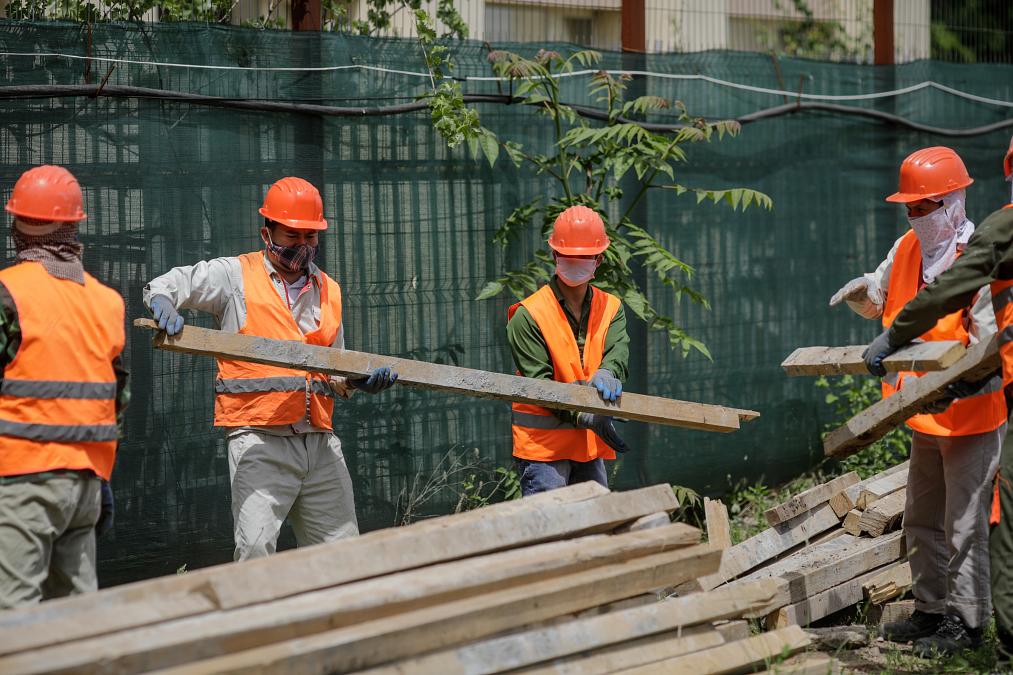

Starting work in the European Union does not always begin with long-term planning. For many foreign workers, the first priority is legal entry into the labour market and predictable conditions. Romania often becomes the starting point not because of prestige, but because employment here usually begins faster and with fewer formal barriers compared to other EU countries.
In practice, Romania functions as an entry environment. People arrive to take specific roles, not to build an immediate career path. During this stage, informational platforms such as Layboard.in are commonly used to review vacancies, understand entry requirements, and compare job formats before employment begins.
Why Romania Is Often Chosen as a First EU Job Market
Romania sees a steady flow of job offers simply because many types of work cannot be done without people on site. Factories, warehouses, farms, construction teams, and small service businesses rely on daily physical presence. When someone leaves or shifts remain uncovered, the gap becomes visible immediately. In those situations, employers often look outside the local labour market to keep operations moving.
Most companies in these sectors already have experience working with foreign employees and follow familiar hiring routines. As a result, newcomers are not entering an unknown system. Romania often becomes a practical way to start working in the EU while keeping future relocation options open.
Legal Employment Conditions That Enable a Quick Start
Romania applies clear and standardised rules for foreign employment. Work visas, residence permits, and employer responsibilities follow defined processes that are familiar to recruitment agencies and local companies.
Work Visas, Contracts, and Entry Requirements
Most foreign workers enter Romania with a confirmed job offer. Employers initiate the work visa process, and contracts typically define working hours, accommodation terms, and payment structure in advance. In many cases, employment begins shortly after arrival, while administrative steps continue in parallel.
Information about vacancies offering legal entry is often reviewed through platforms listing jobs with visa sponsorship in Romania, which are used as reference points to understand which roles support work visa procedures.
Stable Demand Across Entry-Level Roles
Romania’s entry-level jobs are concentrated in sectors with structured routines. These include factory production, packaging, warehouse logistics, agriculture, cleaning services, food processing, and basic construction support.
Tasks are clearly defined and usually do not require local experience. Training is practical and happens on site. This allows employers to integrate new workers quickly without long adaptation periods.
Why Romania Is Considered a Low-Risk Option for New EU Workers
Risk is reduced through predictability. Work schedules, payment timelines, and responsibilities follow fixed patterns. For people unfamiliar with EU labour standards, this consistency helps avoid misunderstandings during the first months.
If a role proves unsuitable, changes are easier to manage. Contracts are clear, and responsibilities are limited in scope. This makes Romania a controlled environment for a first EU work experience.
How Employment in Romania Supports Further EU Mobility
Work done in Romania is officially registered and counts as legal EU employment. This is especially relevant for people working in factories, warehouses, agriculture, or construction support. In these sectors, contracts usually specify shift length, daily tasks, and pay conditions in a straightforward way. Residence permits and employment documents issued in Romania later serve as real proof of work experience when applying for jobs or permits in other EU countries, not just as formal paperwork.
What Foreign Workers Should Expect in Practice
Entry-level jobs in Romania are usually not about high pay by EU standards. This is especially true for factory work, warehouses, logistics centres, and seasonal farm positions. Prices in Romania are lower. Rent, food, transport — all noticeably cheaper than in Western Europe. For most workers, wages are enough for everyday living. At the beginning, housing is often the main concern. Some employers offer shared rooms. Others help find accommodation close to the workplace. This reduces travel time and keeps daily costs down.
Practical Work Format and Daily Conditions for Newcomers in Romania
In Romania, most newcomers settle into the work routine faster than they expect. On a factory line or in a warehouse, there is usually no surprise about when you work. The schedule is set, the tasks repeat, and most days look similar.What people actually get judged on is pretty straightforward — whether you come in when you’re supposed to, don’t hold the rest of the team back, and take safety seriously instead of rushing things.
Overtime, shift changes, and weekend work are normally specified in contracts and rarely adjusted without notice. Because schedules and conditions remain predictable, workers can plan earnings and daily life during their first months in Romania. For this reason, many people use the country as a practical starting stage in the EU rather than a place for long-term settlement.
Everyday work helps people get used to EU rules through direct experience. By following set schedules, contracts, and basic procedures, workers gradually understand how employment systems function in practice. For those who prefer a legal and orderly start instead of fast career progression, Romania often becomes a practical first step.
FAQ
Can foreign workers legally start working in Romania?
Yes. Employment is legal when a work visa and contract are issued through an employer.
Are entry-level jobs suitable for first-time EU workers?
Yes. Many roles are designed for workers without prior EU experience.
Is demand stable throughout the year?
Yes. Most entry-level sectors operate year-round.
Does Romanian work experience help in other EU countries?
Often yes. It provides documented EU employment history and practical experience.
