
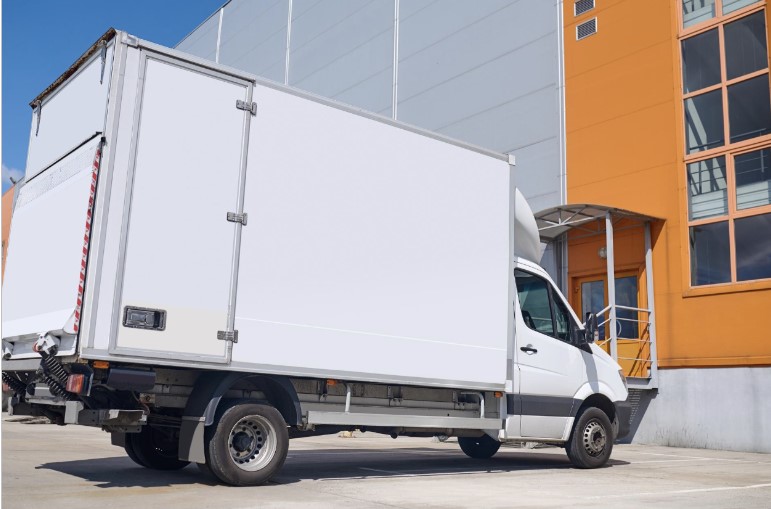

Dry van trailers move most of America’s retail goods.
These enclosed trailers protect cargo from the weather while traveling cross-country. No refrigeration. No specialized equipment. Just secure, weatherproof space for boxed and palletized freight.
Almost every product in your home arrived by dry van at some point. Furniture. Electronics. Clothing. Packaged foods. The standard 53-foot dry van dominates freight transportation because it works for so many industries.
Understanding which industries depend on dry van transportation helps businesses make smarter logistics decisions. Dry van trailer rental plays a key role in both seasonal surges and long-term shipping strategies. Understanding how different industries rely on these trailers can help you optimize your logistics and keep shipments running smoothly.
Here’s a look at the industries that couldn’t function without dry van transportation.
Retail and E-Commerce
The Backbone of Modern Shopping
Retail depends entirely on dry van transportation. Every store aisle represents hundreds of dry van shipments converging at distribution centers.
Big box retailers like Walmart and Target move millions of pallets weekly. Each pallet travels in dry vans from manufacturers to distribution centers to stores. The system only works because dry vans efficiently transport diverse products together.
E-commerce accelerated dry van demand dramatically. Amazon fulfillment centers receive constant dry van deliveries. Each van carries mixed loads heading to sorting facilities before final delivery. Online shopping growth drives increasing dry van freight volumes.
Product Protection Matters
Retailers need products arriving in perfect condition. Dry vans protect against rain, snow, and road debris. This matters especially for electronics, clothing, and products with printed packaging.
Security is equally important. Enclosed trailers prevent theft better than flatbeds or open transport. High-value retail goods require this protection during transit.
Temperature stability, while not refrigerated, prevents extreme heat or cold damage. Many retail products can’t handle temperature extremes. Dry vans moderate these fluctuations compared to open transport.
Seasonal Demand Spikes
Holiday shopping creates massive dry van capacity needs. October through December sees trailer shortages as retailers stock up. Companies scramble for available capacity during peak season.
Back-to-school shopping, spring gardening season, and summer recreation also create demand spikes. Retailers anticipate these patterns and secure transportation capacity months ahead.
Food and Beverage (Non-Perishable)
Packaged Food Distribution
Non-perishable foods fill dry vans constantly. Canned goods, dried pasta, boxed cereals, and snack foods move from manufacturing plants to grocery warehouses.
Beverage companies ship bottled water, soft drinks, and shelf-stable juices by dry van. These heavy, low-value products need economical transportation. Dry vans provide the best cost per pound for this freight.
Food manufacturers often run dedicated dry van fleets. They move products continuously from production facilities to regional distribution centers. Consistency and reliability matter more than cost for these critical supply chains.
Food Safety Requirements
Even non-perishable food requires clean transportation. Dry vans must meet food safety standards. Previous loads can’t contaminate current shipments.
Traceability requirements mean knowing exactly which trailer carried which products. This matters during recalls. Being able to identify specific trailers that moved affected products protects consumer safety.
Dry vans carrying food also need pest prevention. Regular cleaning and inspection prevent rodent or insect problems. Food companies audit carrier sanitation practices carefully.
Warehouse to Store Distribution
Grocery chains run constant shuttle operations from distribution centers to stores. These short-haul routes use dry vans moving mixed loads.
A single trailer might carry dairy alternatives, canned vegetables, snacks, and beverages together. The dry van’s flexibility handles diverse products efficiently.
Stores receive deliveries multiple times weekly. This frequent replenishment keeps shelves stocked without stores maintaining large back rooms. The system depends on reliable dry van transportation.
Manufacturing and Industrial Goods
Raw Materials Transport
Manufacturers move raw materials by dry van regularly. Plastics, metals, chemicals in drums, and component parts all ship this way.
Assembly plants receive just-in-time deliveries. Components arrive hours before assembly begins. This reduces warehouse costs but requires precise, reliable transportation.
Automotive suppliers exemplify this model. Every car assembly plant receives dozens of dry van deliveries daily. Each trailer carries specific components timed to match production schedules.
Finished Goods Distribution
Completed products move from factories to distribution networks. Appliances, furniture, tools, and equipment ship by dry van.
These products are often valuable and damage-sensitive. The weather protection and security of dry vans justify the cost over cheaper open transport.
Industrial equipment manufacturers ship replacement parts by dry van. Quick delivery of critical parts prevents production downtime at customer facilities.
Cross-Docking Operations
Many manufacturers use cross-docking to streamline distribution. Inbound trailers arrive at distribution centers, where freight is transferred immediately to outbound trailers.
Products never enter warehouse storage. This requires synchronized dry van arrivals and departures. The efficiency reduces costs but demands precise logistics coordination.
Textiles and Apparel
Fashion Industry Logistics
Clothing moves from overseas manufacturing through ports to distribution centers by dry van. Container shipments transfer to trailers for inland transport.
Fashion retailers face tight seasonal windows. Spring collections must reach stores by February. Back-to-school inventory ships in July. Missing these windows means lost sales.
Fast fashion accelerated these timelines further. Retailers now move products from design to store shelves in weeks instead of months. This requires responsive, flexible dry van capacity.
Protecting Product Quality
Clothing needs protection from moisture and dirt. Dry vans prevent weather damage during transport.
High-end fashion requires extra care. Garments on hangers ship in specialized dry vans with hanging rails. This prevents wrinkles and maintains retail presentation.
Textile manufacturers shipping fabric also rely on dry vans. Fabric rolls are bulky, relatively light, and moisture-sensitive. Dry vans provide ideal transport for these characteristics.
Returns Management
Retail returns create reverse logistics needs. Clothing returns move from stores back to distribution centers by dry van.
This reverse flow requires just as much capacity as forward distribution. Retailers must plan for both directions when securing transportation.
Building Materials and Home Improvement
Construction Supply Distribution
Lumber yards, building material suppliers, and home improvement stores depend on dry van delivery. Drywall, insulation, roofing materials, and packaged lumber ship this way.
These products are weather-sensitive despite being construction materials. Wet drywall is worthless. Damp insulation loses effectiveness. Dry vans protect these materials during transit.
Construction booms strain dry van capacity in growing regions. New housing development creates sustained demand for building material transportation.
Hardware and Fixtures
Plumbing fixtures, electrical components, door hardware, and tools move by dry van. These items need weather protection and security.
Home improvement chains run sophisticated distribution networks. Regional distribution centers receive full trailer loads from manufacturers. Then consolidated loads ship to individual stores.
This hub-and-spoke model optimizes dry van utilization. Full trailer loads cost less per pound than partial loads. The system maximizes efficiency.
Flooring and Tile
Flooring materials ship nationwide by dry van. Hardwood, laminate, tile, and carpet all require weather protection.
These materials are heavy relative to value. Efficient transportation keeps costs manageable. Dry vans provide the right balance of protection and economy.
Flooring retailers often need just-in-time delivery. Customers order specific products for installation dates. Materials must arrive on schedule without retailers carrying large inventory.
Paper and Printing
Paper Products Distribution
Paper manufacturing plants ship by the trailer load constantly. Commercial printers, packaging manufacturers, and office supply companies receive these shipments.
Paper is extremely moisture-sensitive. Even humidity affects quality. Dry vans provide essential protection against weather exposure.
The paper industry runs on thin margins. Transportation costs significantly impact profitability. Dry vans offer the lowest cost per ton for long-haul paper shipments.
Printed Materials
Books, magazines, catalogs, and marketing materials move by dry van from printers to publishers and retailers.
These products have strict delivery deadlines. Magazine publication dates can’t slip. Book releases coordinate with marketing campaigns. Transportation reliability matters enormously.
Printed materials ship in large volumes with relatively low value per pound. This makes transportation cost a significant factor in overall product economics.
Pharmaceuticals and Medical Supplies
Non-Refrigerated Medical Products
Many pharmaceutical products don’t require refrigeration. Over-the-counter medications, bandages, medical devices, and hospital supplies ship by dry van.
These products face strict regulatory requirements. Carriers must maintain documentation proving transportation met safety standards.
Hospital supply chains run on just-in-time principles. Operating rooms and patient care depend on reliable delivery of disposable supplies.
Medical Equipment Distribution
Diagnostic equipment, hospital furniture, and durable medical devices move by dry van. This equipment is expensive and requires careful handling.
Healthcare facilities across the country need constant equipment replacement and upgrades. This creates steady demand for medical equipment transportation.
The medical industry values reliability over cost. Late deliveries can impact patient care. Carriers serving medical clients must maintain exceptional on-time performance.
Technology and Electronics
Consumer Electronics Distribution
Televisions, computers, smartphones, and home electronics ship by dry van from ports and manufacturers to retail distribution.
These products combine high value with fragility. Weather protection prevents moisture damage to sensitive electronics.
Electronics theft makes security crucial. Enclosed dry vans with tracking technology protect these valuable shipments.
Computer and Server Equipment
Data centers and corporate IT departments receive server equipment, networking gear, and computers by dry van.
This equipment often ships direct from manufacturers to end users. Specialized carriers handle white-glove delivery and installation services.
The technology industry’s global supply chains depend on coordinated dry van transportation for the final delivery legs.
Furniture and Home Goods
Furniture Manufacturing to Retail
Furniture factories ship completed pieces to retailers nationwide by dry van. These bulky, valuable items need weather protection and security.
Online furniture sales increased dramatically. This shifted distribution from stores to consumer homes, but dry vans still handle the long-haul transportation to regional distribution points.
Furniture’s low density makes it perfect for dry van maximization. Cubic capacity matters more than weight for these shipments.
Home Decor and Accessories
Lamps, rugs, bedding, and decorative items ship in mixed loads. Retailers receive consolidated shipments containing diverse products.
These items need protection from dirt and weather. Dry vans maintain product cleanliness during transit.
Seasonal home goods create predictable demand patterns. Holiday decorations ship months before holidays. Outdoor furniture moves in early spring.
Planning Your Dry Van Needs
Different industries use dry vans in distinct ways. Understanding these patterns helps businesses plan transportation strategies.
Peak seasons vary by industry. Retail peaks in fall. Construction peaks in spring and summer. Plan capacity needs around your industry’s patterns.
Product characteristics determine handling requirements. Fragile goods need specialized care. Bulk products focus on cost efficiency. Match your transportation to product needs.
Volume consistency affects whether dedicated fleets or spot market makes sense. Steady volumes justify dedicated trailers. Fluctuating needs require flexible spot market access.
Most industries depend on dry van transportation for good reason. These versatile trailers handle diverse products economically while providing essential protection and security. Understanding how your industry uses dry vans helps optimize your logistics strategy.
