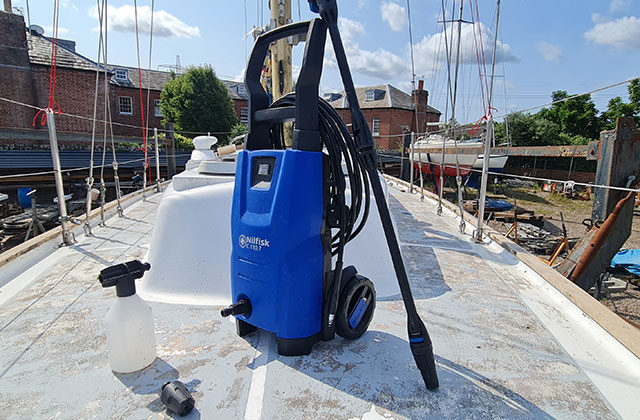

If you work with machinery, boats, or pressure washers, you know how frustrating it is when a hose fails. From construction equipment like excavators and forklifts to yachts and industrial pressure washers, hoses carry vital fluids and keep machines running. A wrong hose can lead to leaks, equipment breakdown, or even safety hazards.
Choosing the right hose isn’t just about finding one that fits. It’s about understanding pressure ratings, materials, temperature limits, and the environment where your machine operates. This guide will walk you through the key factors to pick the right machinery, marine, or pressure washer hose so your equipment stays safe and downtime is minimized.
What Is a Hose and Why It Matters
A hose is a flexible tube that carries fluids under pressure. Unlike garden hoses, industrial and marine hoses must handle high pressure, extreme temperatures, and sometimes harsh chemicals. You’ll find them in excavators, tractors, forklifts, boats, and industrial cleaning equipment.
Common Causes of Hose Failures
Hoses can fail for several reasons:
- Abrasion from rubbing against metal or other hoses
- Kinks or twists during installation
- Exceeding pressure ratings or temperature limits
- Poor maintenance or aging material
Recognizing these risks helps you choose a hose that lasts longer and protects your equipment.
Key Factors When Choosing the Right Hose
Know Your Pressure Requirements
Every piece of equipment, whether a construction crane, industrial pressure washer, or marine hydraulic system, has a recommended pressure range. Hoses have a working pressure rating and a burst pressure rating. Always choose a hose slightly above your machine’s maximum pressure.
For example, if a pressure washer operates at 3,000 PSI, pick a hose rated for at least 3,600 PSI. This gives you a safety buffer to prevent failures.
Consider the Fluid or Medium
Different hoses handle different fluids:
- Petroleum-based oils for heavy machinery
- Water or water-based cleaning solutions for pressure washers
- Fuel, hydraulic fluids, or saltwater for marine applications
Choosing a hose incompatible with the fluid can cause swelling, cracking, or leaks. Always check hose compatibility before installation.
Temperature Ratings Are Important
Equipment can produce heat or operate in cold conditions. Hoses have temperature ranges. Using a hose outside this range shortens its life. For cold weather, some hoses remain flexible down to -40°F. For hot environments, hoses can handle 250°F or more.
Material and Reinforcement Matter
Most hoses consist of:
- Inner tube that carries the fluid
- Reinforcement layers made of steel or synthetic fibers
- Outer cover that resists abrasion and UV exposure
Steel-braided hoses are stronger and ideal for construction equipment and marine hydraulic systems, while fiber-reinforced hoses are more flexible for pressure washers and light machinery.
Size and Fit Are Critical
It might seem simple, but size matters. A hose that’s too small restricts fluid flow, while one that’s too large can bulge and fail. Check:
- Inner diameter for proper flow
- Outer diameter for fitting compatibility
Always measure carefully and follow manufacturer recommendations for your equipment.
Installation Tips to Prevent Failure
Avoid Kinks and Twists
When routing hoses on excavators, pressure washers, or marine vessels, avoid sharp bends. Use clamps or brackets to hold hoses in place. A twisted hose can wear out faster and cause leaks.
Protect Against Abrasion
Hoses rubbing against metal surfaces or other hoses wear out faster. Use abrasion sleeves or keep hoses separated. On marine decks, this prevents damage from constant movement and saltwater exposure.
Check Fittings and Connections
Leaking often happens at fittings. Use proper clamps, ferrules, connectors, and high-quality industrial fittings and adapters to ensure a secure, leak-free connection.
Maintenance Tips for Long-Lasting Hoses
Inspect Hoses Regularly
Look for signs like:
- Cracks or cuts in the outer cover
- Leaks at connectors or along the hose
- Bulges or wear spots
For industrial pressure washers, construction equipment, and marine vessels, inspections should be frequent—daily or weekly depending on usage.
Replace Hoses Before Failure
Proactive replacement is cheaper than fixing a breakdown. Hoses age over time, even if they appear fine. Follow the manufacturer’s recommended lifespan to avoid surprises.
Keep Equipment Clean
Dirt, salt, and debris can damage hoses quickly. Cleaning construction machinery, pressure washers, and boats regularly extends hose life. This is especially critical for marine hoses exposed to saltwater.
Choosing a Reliable Hose Supplier
Even with the right specs, quality matters. Look for:
- Knowledgeable staff who understand pressure ratings, fluid compatibility, and material types
- Hoses meeting SAE or ISO standards
- Quick delivery to avoid downtime
A good supplier ensures you get a hose that works reliably in machinery, marine, and pressure washer applications.
Conclusion: Protect Your Equipment and Avoid Downtime
Choosing the right hose for machinery, marine, or pressure washers doesn’t have to be complicated. Focus on pressure rating, fluid compatibility, temperature limits, material, and size. Proper installation and regular maintenance make a huge difference.By taking the time to pick the right hose and care for it, your excavators, forklifts, yachts, and industrial cleaning systems will run smoothly, minimizing costly downtime and keeping your operations safe. Small investments today prevent big headaches tomorrow.
