

When upgrading a home network, one of the most common questions is whether choosing Cat6 Ethernet cables is truly necessary. With streaming platforms, smart home devices, online gaming, and remote work becoming part of daily life, home network demands are steadily increasing. Many users assume that higher-category cables automatically translate into better performance, but the reality is more nuanced. The decision to use Cat6 depends not only on speed requirements but also on distance, device capability, and future scalability. Understanding what Cat6 offers—and whether your home network can actually take advantage of it—is key to making a smart investment.
What Is Cat6 and How Does It Compare to Older Standards?
Cat6 vs Cat5e: Is There a Noticeable Difference?
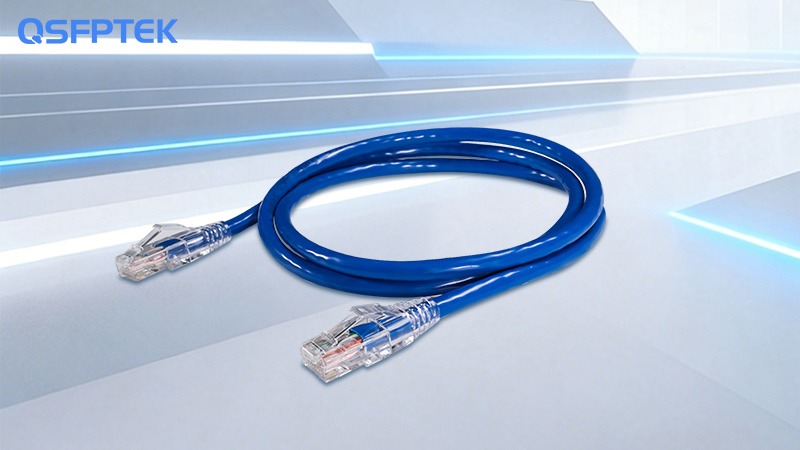
Cat6 Ethernet cables are designed to support higher bandwidth and faster data transmission than Cat5e. While Cat5e can handle speeds up to 1 Gbps at 100 meters, Cat6 is capable of supporting up to 10 Gbps, although only at shorter distances (typically up to 55 meters under ideal conditions). The improvement comes from better insulation, tighter twists, and often a separator inside the cable that reduces interference. In practical home environments, however, the difference between Cat5e and Cat6 may not always be immediately noticeable, especially if your internet speed is well below 1 Gbps.
Understanding Bandwidth and Crosstalk Improvements
One of the main advantages of Cat6 is its higher bandwidth capacity, typically rated at 250 MHz compared to Cat5e’s 100 MHz. This allows Cat6 to handle more data simultaneously and reduces the risk of congestion in busy networks. Additionally, Cat6 cables are designed to minimize crosstalk, which is interference between adjacent wires inside the cable. This results in more stable connections, particularly in environments with multiple connected devices or where cables are bundled together.
Typical Home Network Requirements
Internet Speed vs Local Network Speed
A common misconception is that upgrading to Cat6 will automatically increase internet speed. In reality, your internet speed is limited by your Internet Service Provider (ISP). If your broadband plan offers 100 Mbps or even 500 Mbps, both Cat5e and Cat6 cables can handle this without any issue. The real advantage of Cat6 becomes apparent in local network scenarios, such as transferring files between devices, streaming from a local media server, or backing up data to a network-attached storage (NAS) system.
Device Limitations and Router Capabilities
Another important factor is the capability of your networking hardware. Many home routers and devices still operate at 1 Gbps Ethernet ports, meaning they cannot take full advantage of Cat6’s potential for 10 Gbps speeds. Upgrading your cable without upgrading your router, switch, or network interface cards may not yield any tangible performance improvement. Therefore, it is essential to evaluate your entire network ecosystem rather than focusing on cables alone.
When Cat6 Makes Sense for Home Use
High-Bandwidth Applications
Cat6 becomes a practical choice if your home network regularly handles high-bandwidth tasks. This includes activities such as 4K or 8K video streaming from local servers, large file transfers between computers, or running a home lab environment. In these cases, the improved performance and reduced interference of Cat6 can contribute to a smoother and more reliable experience.
Future-Proofing Your Network
Even if your current setup does not require Cat6, installing it can be a forward-looking decision. As internet speeds continue to increase and more devices become connected, having infrastructure that can support higher performance may save you from future upgrades. For example, if you are wiring a new home or renovating, choosing Cat6 over Cat5e involves a relatively small cost difference but offers greater long-term flexibility.
Smart Homes and PoE Devices
Modern smart homes often rely on Power over Ethernet (PoE) devices such as IP cameras, wireless access points, and smart doorbells. Cat6 cables, with their improved construction, can handle power delivery more efficiently and with less heat buildup compared to older cable types. This makes them a more reliable option for installations involving multiple PoE devices.
When Cat6 Might Be Overkill
Basic Internet Usage
If your primary activities include web browsing, video streaming from the internet, and occasional online gaming, Cat5e is generally sufficient. In such scenarios, the bottleneck is rarely the Ethernet cable but rather the internet connection itself. Investing in Cat6 may not provide a noticeable improvement in everyday performance.
Short-Term or Temporary Setups
For renters or users setting up temporary networks, the added cost of Cat6 may not be justified. Cat5e cables are widely available, cost-effective, and capable of meeting most short-term networking needs. Unless you anticipate upgrading your hardware soon, sticking with Cat5e can be a practical choice.
Installation Considerations
Cable Length and Environment
The performance of Cat6 cables can be influenced by installation conditions. For example, achieving 10 Gbps speeds requires relatively short cable runs and minimal interference. In longer runs or environments with significant electrical noise, performance gains may diminish. Proper installation practices, such as avoiding tight bends and separating cables from power lines, are essential to maximizing performance.
Cost vs Benefit Analysis
While Cat6 cables are more expensive than Cat5e, the price difference has decreased over time. For small home networks, the total cost difference is often minimal. However, for larger installations involving multiple rooms, the cost can add up. Evaluating whether the additional performance and future-proofing justify the investment is an important step in the decision-making process.
Conclusion
So, do you really need Cat6 for home networking? The answer depends on your specific needs and future plans. For most households with standard internet speeds and typical usage, Cat5e remains a perfectly adequate solution. However, if you are building a high-performance home network, planning for future upgrades, or working with data-intensive applications, Cat6 offers clear advantages in terms of speed, stability, and scalability. Rather than assuming that newer is always better, the best approach is to align your cable choice with your actual network requirements and long-term goals.
