

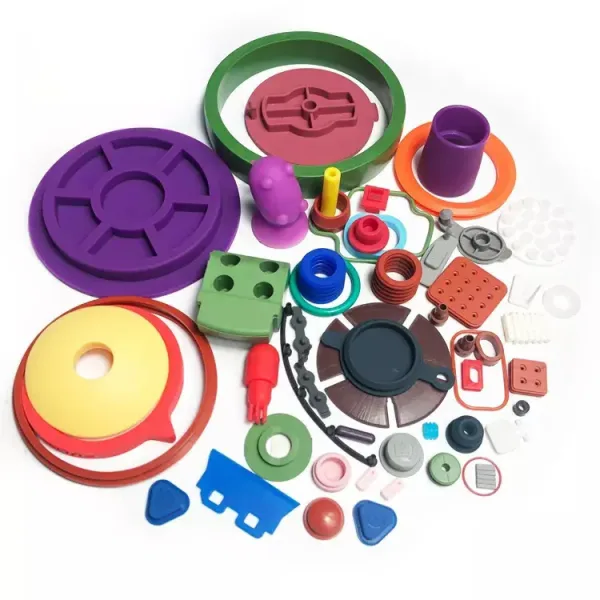
Custom silicone parts have become essential across modern industries, offering flexibility, durability, and resistance to extreme conditions. From medical devices to automotive systems, silicone components provide reliable performance where other materials fall short. Businesses increasingly rely on experienced silicone parts manufacturers to deliver tailored solutions that meet strict functional and regulatory requirements.
What Are Custom Silicone Parts?
Custom silicone parts are components specifically designed and produced to meet unique application needs. Unlike off-the-shelf products, custom silicone parts are engineered with precise dimensions, material properties, and performance characteristics.
Silicone itself is a versatile elastomer known for its ability to withstand high and low temperatures, resist chemicals, and maintain flexibility over time. This makes it ideal for applications where durability and stability are critical.
Key Properties of Silicone
Silicone offers a combination of characteristics that make it highly desirable in manufacturing:
- Excellent temperature resistance, often ranging from -60°C to 230°C
- High flexibility and elasticity
- Resistance to UV radiation and weathering
- Biocompatibility for medical and food-grade applications
- Electrical insulation properties
These features allow custom silicone parts to perform consistently in demanding environments.
Applications of Custom Silicone Components
Custom silicone parts are used in a wide range of industries. Their adaptability makes them suitable for both simple and complex applications.
Medical and Healthcare
Silicone is widely used in medical devices due to its non-toxic and hypoallergenic properties. Custom parts include seals, tubing, gaskets, and implantable components. Manufacturers must adhere to strict quality and regulatory standards to ensure safety and reliability.
Automotive Industry
In automotive systems, silicone parts are used for gaskets, hoses, and vibration dampeners. Their ability to withstand heat and exposure to oils makes them ideal for engine and under-the-hood applications.
Electronics and Electrical
Silicone components serve as insulators, seals, and protective covers in electronic devices. They help protect sensitive components from moisture, dust, and temperature fluctuations.
Food and Beverage
Food-grade silicone is commonly used for seals, molds, and tubing. Its resistance to bacteria and ease of cleaning make it a preferred material for hygienic applications.
Manufacturing Processes for Silicone Parts
A reliable silicone parts manufacturer uses advanced production techniques to achieve precision and consistency. The choice of method depends on the complexity, volume, and intended use of the part.
Compression Molding
Compression molding is one of the most common methods for producing silicone parts. The material is placed into a heated mold cavity and compressed into shape. This process is ideal for high-strength components and medium production volumes.
Injection Molding
Injection molding is used for high-volume production and intricate designs. Liquid silicone rubber (LSR) is injected into a mold, allowing for precise control over dimensions and surface finish.
Extrusion
Extrusion is used to create continuous silicone profiles such as tubes, seals, and strips. This method is efficient for producing long, uniform parts.
Transfer Molding
Transfer molding combines elements of compression and injection molding. It is suitable for parts requiring embedded components or intricate geometries.
Benefits of Working with a Silicone Parts Manufacturer
Choosing the right manufacturer is crucial for ensuring quality and performance. A skilled silicone parts manufacturer offers several advantages.
Custom Design Support
Manufacturers often collaborate with clients during the design phase, helping optimize part geometry and material selection. This reduces production errors and improves efficiency.
Material Expertise
Different silicone formulations are available depending on the application. Manufacturers guide clients in selecting the appropriate type, such as high-consistency rubber (HCR) or liquid silicone rubber (LSR).
Quality Assurance
Reputable manufacturers implement strict quality control processes, including testing for durability, flexibility, and compliance with industry standards.
Scalability
Whether producing small batches or large volumes, manufacturers can scale production to meet demand without compromising quality.
Design Considerations for Custom Silicone Parts
Design plays a critical role in the performance of silicone components. Several factors must be considered during development.
Tolerance and Precision
Silicone is flexible, which can affect dimensional accuracy. Designers must account for shrinkage and mold behavior to achieve precise tolerances.
Wall Thickness
Uniform wall thickness ensures consistent curing and prevents defects such as warping or air pockets.
Surface Finish
The finish of the mold directly affects the appearance and functionality of the final product. Smooth finishes are often required for sealing applications.
Environmental Exposure
Parts must be designed to withstand exposure to heat, chemicals, moisture, or UV light depending on their application.
Advancements in Silicone Manufacturing
Technological advancements continue to improve the capabilities of silicone parts manufacturing. Automation and precision tooling have enhanced consistency and reduced production time.
3D modeling and simulation tools allow manufacturers to test designs before production, minimizing errors and material waste. Additionally, innovations in material science have led to the development of specialized silicone formulations with enhanced properties such as increased tear resistance or improved conductivity.
Sustainability and Silicone Production
Sustainability is becoming an important consideration in manufacturing. Silicone is a durable material that contributes to longer product lifecycles, reducing the need for frequent replacements.
Manufacturers are also adopting eco-friendly practices, including waste reduction, energy-efficient processes, and recycling initiatives where possible. These efforts help minimize environmental impact while maintaining high-quality standards.
Choosing the Right Silicone Parts Manufacturer
Selecting a manufacturer requires careful evaluation of several factors:
- Experience in your specific industry
- Certifications and compliance with international standards
- Capability to handle custom designs and complex projects
- Quality control systems and testing procedures
- Communication and support throughout the project
A strong partnership with the right manufacturer ensures that custom silicone parts meet performance expectations and are delivered on time.
Final Thoughts
Custom silicone parts play a vital role in modern manufacturing, offering unmatched flexibility and durability across diverse applications. By working with an experienced silicone parts manufacturer, businesses can develop tailored solutions that meet exact specifications and perform reliably in challenging environments.
As industries continue to evolve, the demand for high-quality silicone components will grow. Investing in precise design, advanced manufacturing processes, and strong collaboration will ensure long-term success in delivering dependable silicone solutions.
