

Cycling has quietly become one of the more competitive spaces in performance retail. What used to be a niche hobby market dominated by a handful of legacy names has turned into a crowded field of direct-to-consumer brands, each promising lighter components, better aerodynamics, and more transparent pricing than the big-name manufacturers riders grew up with. This shift didn’t happen overnight, and it isn’t just about marketing budgets it’s tied to real changes in how riders shop, what they trust, and what they expect a brand to prove before they’ll spend serious money.
Part of the reason smaller, specialized brands are gaining ground is that riders have gotten more technically literate. A decade ago, most buyers took spec sheets at face value. Today, riders compare rim widths, ask about freehub compatibility before checkout, and expect to see actual test data instead of vague performance claims. That shift in buyer behavior has created room for brands built specifically around transparency and direct engineering communication rather than brand heritage alone.
The Shift From Legacy Brands to Specialized Challengers
For years, the cycling component market was shaped heavily by a small number of large manufacturers with long histories, big marketing budgets, and dominant retail placement. That hasn’t disappeared, but it has been challenged by a wave of newer, more focused brands that compete on value, transparency, and direct engineering claims rather than name recognition alone.
This is especially visible in the carbon wheel category, where the price gap between legacy brands and newer manufacturers can be significant even when the underlying materials and manufacturing standards are comparable. Riders are increasingly willing to research a brand’s actual specs and testing process rather than assume that a bigger name automatically means a better product.
Why Direct-to-Consumer Models Changed the Math
Cutting out multiple layers of distribution allows newer brands to either lower prices or reinvest that margin into better components usually some mix of both. This is one of the clearest structural reasons specialized brands have been able to compete on price without cutting corners on material grade or testing rigor. It also means customer support and communication has to work differently, since there’s no local bike shop acting as a buffer between the rider and the brand.
What Riders Actually Look for Before Trusting a Newer Brand
Trust in a newer brand doesn’t come from marketing language it comes from specifics. Riders comparing wheelsets, frames, or drivetrain components from a less familiar name tend to look for the same handful of signals: clear material specifications, published test data, warranty terms that are actually usable, and responsive support before and after a sale.
This is where a lot of newer brands either win or lose credibility fast. A brand willing to publish rim width, weight, hub bearing type, and freehub options in detail rather than hiding behind generic “aero” or “lightweight” language tends to earn more trust from technically-minded buyers. TOCCAY Cycling has approached this by keeping detailed spec tables on every product page rather than relying purely on lifestyle marketing, which is a pattern showing up across the more credible newer entrants in this space.
Warranty and Support as a Competitive Differentiator
Warranty length and clarity has become a genuine differentiator, not just fine print. Riders shopping in the $1,000+ wheelset range are effectively making a multi-year bet on a brand’s reliability, so clear coverage terms and a support team that’s actually reachable before a purchase matters more than it used to. Brands that treat support as a pre-sale resource, not just a post-sale complaint line, tend to convert more confident buyers.
How Testing Data Is Reshaping Buyer Expectations
Impact testing, pull-force ratings, and tensile strength figures used to be reserved for engineering documentation that never reached the average buyer. That’s changed. Riders now expect to see at least some quantified durability data before trusting a carbon component, particularly for wheels, where failure has real safety implications.
This doesn’t mean every number published is equivalent to third-party certification it isn’t, and reputable brands are careful to make that distinction clear rather than implying formal certification where none exists. But internal testing, published honestly and explained clearly, has become table stakes for any carbon wheelset brand trying to compete above the entry-level price tier. Buyers have learned to ask what a number actually measures instead of accepting it at face value, which has quietly raised the bar for the entire category.
The Role of Compatibility Transparency
Beyond raw strength numbers, riders increasingly expect clarity on compatibility before they buy axle standards, rotor mounting type, freehub body options, and tire clearance. A wheelset can have excellent material specs and still be the wrong purchase if compatibility isn’t communicated clearly upfront. Brands that walk buyers through this before checkout, rather than after a return request, tend to build stronger long-term reputations.
Where a Growing Carbon Wheelset Brand Fits Into This Shift
The wheel category is a useful lens for this whole trend because it combines everything riders now care about: material engineering, published test data, compatibility clarity, and long-term support. A wheelset sits at the intersection of performance and trust in a way that fewer other components do get it wrong, and the consequences are immediate and physical, not just disappointing.
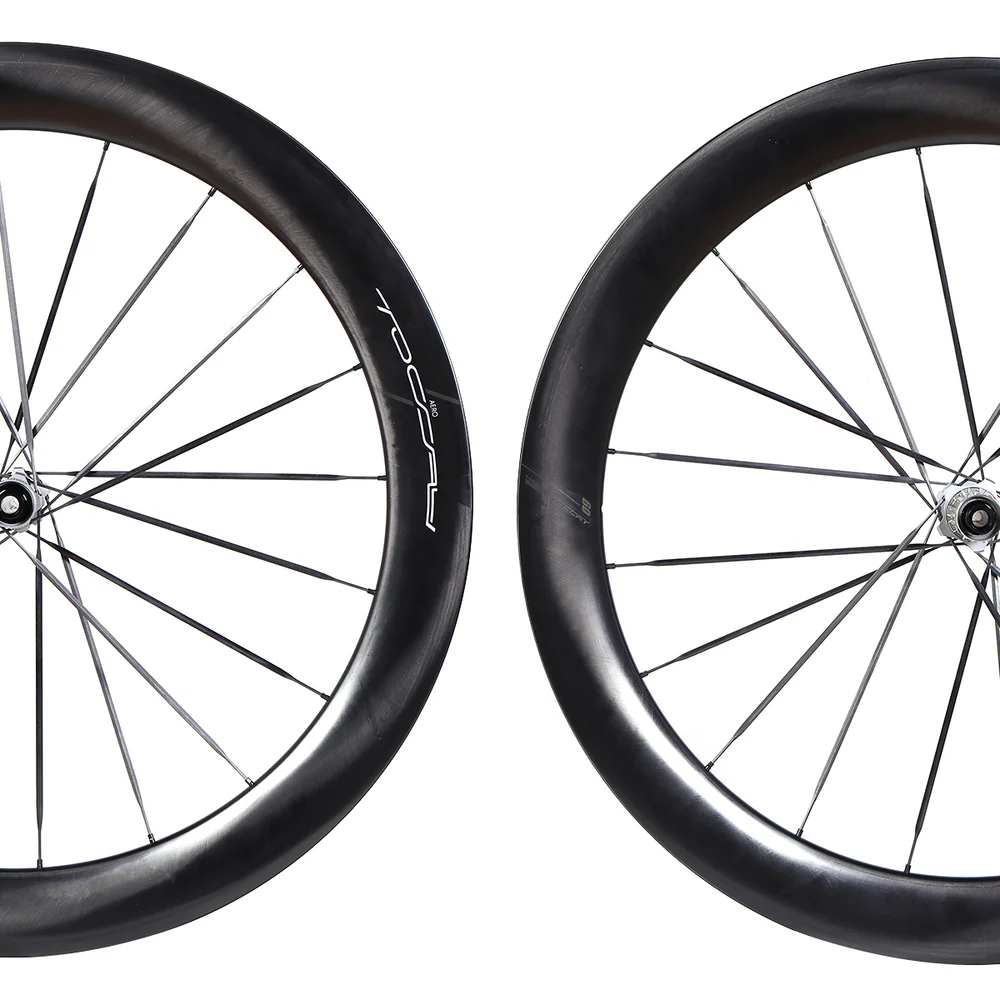
The AERO-60 Ghost Wheelset CARBON is a reasonable example of how a newer, specialized brand approaches this balance in practice. It’s built around a 60mm rim depth aimed at flatter, faster road riding, using a Toray T800 + T1100 carbon layup, a 25mm inner / 33mm outer rim width, and a wheelset weight of roughly 1240g. It ships with a 36-month limited warranty, supports both Shimano HG and SRAM XDR freehub options, and is designed around tubeless-ready and clincher setups without requiring rim tape. None of these details are unusual on their own, but published together clearly on a single product page rather than buried in a PDF spec sheet they reflect the kind of transparency that’s increasingly expected from any carbon wheelset brand trying to earn trust in a crowded market.
What This Means for Riders Shopping Right Now
None of this means legacy brands are being replaced many still lead on brand trust, resale value, and long-established supply chains. But the growth of specialized, transparency-focused brands has genuinely changed buyer expectations across the category. Riders comparing options today are more likely to ask pointed questions: what’s the actual material grade, what has been tested and how, what’s covered under warranty, and how responsive is support before a sale even happens.
Final Thoughts
Growth in the performance cycling gear market isn’t just about more brands competing for attention it’s about buyers getting sharper, and brands adjusting to meet that scrutiny. The brands gaining the most ground are the ones treating spec transparency, tested durability data, and clear compatibility information as standard practice rather than a marketing bonus.
If you’re evaluating a newer performance gear brand wheels or otherwise skip the lifestyle photography and go straight to the spec table, the warranty terms, and whether support is actually reachable before you buy. That’s a far more reliable signal of long-term satisfaction than logo recognition alone, and it’s exactly the standard more riders are holding brands to as this market keeps growing.
