
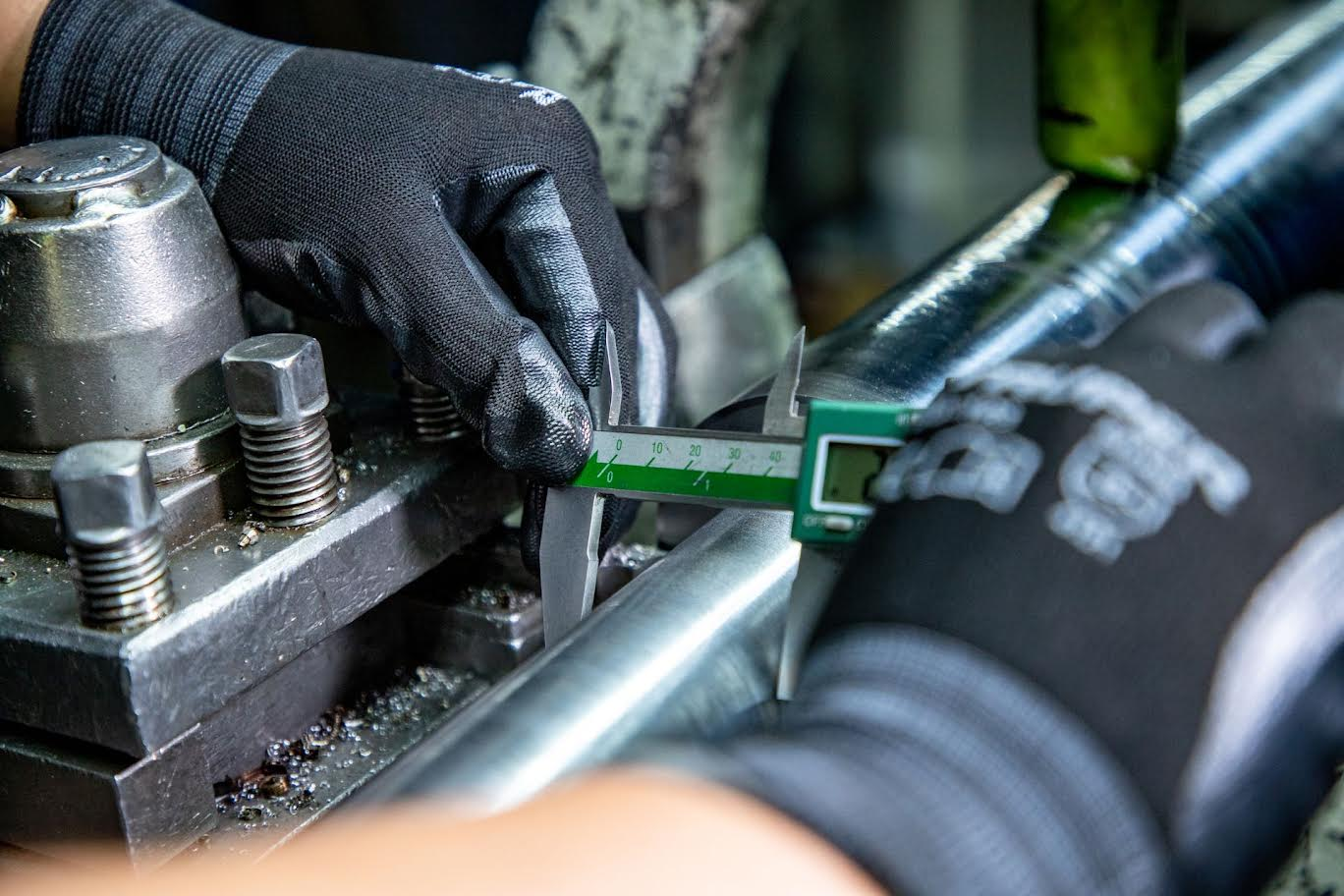

Quality as a Driver of Modern Production Performance
In most workshops, factories, and production floors, efficiency is often talked about as if it simply means doing things faster. But anyone who has actually worked around machines or production lines knows it doesn’t really work like that. Speed is only one part of it. What really keeps things running smoothly is consistency, which is getting the same result again and again without having to “fix” things along the way.
The moment small variations start creeping in, things slowly begin to slip. A tool doesn’t perform quite the same way as before, a material batch behaves slightly differently, or a process step becomes less stable than usual. None of these issues looks serious on their own, but together they start causing delays, scrap, and unnecessary machine stops. That’s why quality has quietly shifted from being something checked at the end to something that needs to exist throughout the process.
The Hidden Cost of Inconsistent Workshop Inputs
Most production losses don’t come from one big failure. They tend to build up slowly, almost invisibly, through small inconsistencies. One of the biggest issues is variation in inputs in things like materials, tooling, setup conditions, and even operator adjustments. When those aren’t consistent, everything else starts to shift too. Machines need to be tweaked more often, settings don’t hold steady, and production rhythm gets interrupted. Over time, it usually ends up looking like this:
- Good material being thrown away because tolerances were missed
- Machines stopping more often than expected because something “felt off”
- Skilled operators spending more time correcting issues than actually producing
Groups like the American Society for Quality have long pointed out that catching these problems early at the source is far more effective than dealing with them after damage is already done.
Precision Tools and Why Stability Matters
In real workshop environments, tool reliability is something that gets noticed quickly even if no one talks about it directly. When tools behave consistently, everything else feels easier. Machines run smoother, adjustments become less frequent, and operators don’t have to constantly compensate for variation.
But when tools start drifting in performance, even slightly, it shows up everywhere else. Tolerances start tightening unexpectedly, rework increases, and small delays begin stacking up across shifts. This is where tool quality quietly becomes a major factor in efficiency. In machining and fabrication work especially, even minor inconsistencies can change the final outcome.
That’s why dependable tooling matters more than it first appears. Using properly manufactured cutting tools such as HSS drill bits helps keep performance steady across repeated cycles. When a tool behaves the same way each time it’s used, the whole process becomes more predictable, and production doesn’t need constant correction just to stay on track.

Quality at Source: Fixing Problems Before They Multiply
More production setups are now shifting towards a simple idea: don’t wait for problems to reach the end of the line before dealing with them. Instead of inspecting finished parts and rejecting what’s wrong, the focus moves earlier, catching issues at the point where they begin. This is often referred to as “quality at source.” It sounds simple, but in practice it changes a lot. It reduces pressure on final inspection, lowers rework, and helps keep production flowing without constant interruptions. In more advanced systems, this approach is supported by real-time monitoring and digital feedback loops.
What Structured Quality Systems Actually Do on the Floor?
Quality systems often sound very formal when written down, but on the shop floor, the impact is actually quite practical. Approaches like Lean Manufacturing and Six Sigma are widely used because they deal with two very real problems: waste and variation. Lean tries to remove unnecessary steps that slow things down, while Six Sigma focuses on reducing defects and improving consistency where it matters most.
When they are applied properly, the changes are usually easy to notice:
- Machines stop being interrupted as often
- Output becomes more predictable from shift to shift
- Equipment gets used more efficiently instead of being constantly adjusted
- Less time is spent fixing avoidable mistakes
Conclusion: Efficiency Comes from Stability, Not Speed
In many workshops, there’s still a tendency to think that efficiency is all about pushing harder or producing faster. But in reality, speed only works when everything underneath it is stable.
When quality is built into tools, processes, and decisions from the beginning, not treated as something to check at the end, the entire system behaves differently. Fewer interruptions happen. Less material gets wasted. And production becomes far easier to manage over time.
Efficiency isn’t something that gets added on top. It’s usually the result of getting the small things right early enough that they don’t turn into bigger problems later.
