

As the years pass, your body’s nutritional requirements shift in ways that make every food choice matter more than it used to. What you eat doesn’t just fuel your day anymore, it becomes the foundation for how well you maintain your independence, mental sharpness, and physical vitality. The connection between nutrition and how you feel grows stronger with each passing year, and understanding this relationship gives you real power over your aging experience. Everything from your morning energy to your evening stamina traces back to the nutrients you’re giving your body throughout the day. When you choose foods thoughtfully now, you’re essentially investing in the quality of life you’ll enjoy months and years down the road.
The Connection Between Nutrition and Energy Production
Your body’s energy-making machinery doesn’t work quite the same way it did a few decades ago, which means you need to be smarter about the fuel you’re providing it. The metabolism that once burned through anything you threw at it now processes food more deliberately, making nutrient density far more important than sheer calorie count. Whole grains, fruits, and vegetables deliver complex carbohydrates that release energy gradually, keeping you steady rather than sending you on a rollercoaster of highs and crashes. Protein has become your muscle’s best friend during these years, without enough of it, you’ll notice your strength and endurance starting to fade.
Essential Nutrients for Maintaining Senior Vitality
Calcium and vitamin D form a partnership that protects your bones from becoming fragile and prone to the kind of fractures that can steal your independence overnight. Your protein needs actually increase during your senior years, something that surprises most people, with research from the National Institute on Aging showing that older adults need more protein per pound than their younger counterparts to maintain muscle, fight off infections, and heal properly. Omega-3 fatty acids, which you’ll find in fish, walnuts, and flaxseeds, work wonders for keeping your brain sharp while also calming inflammation throughout your body. Fiber does double duty by keeping your digestive system running smoothly and preventing those blood sugar swings that leave you feeling wiped out halfway through the afternoon.
How Poor Nutrition Affects Senior Energy and Health
When your diet falls short of what your body needs, the consequences show up in ways that can really take a toll on your daily life. Persistent exhaustion becomes your unwelcome companion, brain fog makes even simple decisions feel complicated, and your immune system struggles to protect you from whatever bug is going around. Dehydration sneaks up on older adults more easily since the thirst signal weakens with age, causing confusion and weakness long before you realize you need water. Losing muscle mass, a condition doctors call sarcopenia, happens gradually when protein intake drops too low, and suddenly tasks that used to be routine become genuinely challenging.
Practical Strategies for Optimizing Senior Nutrition
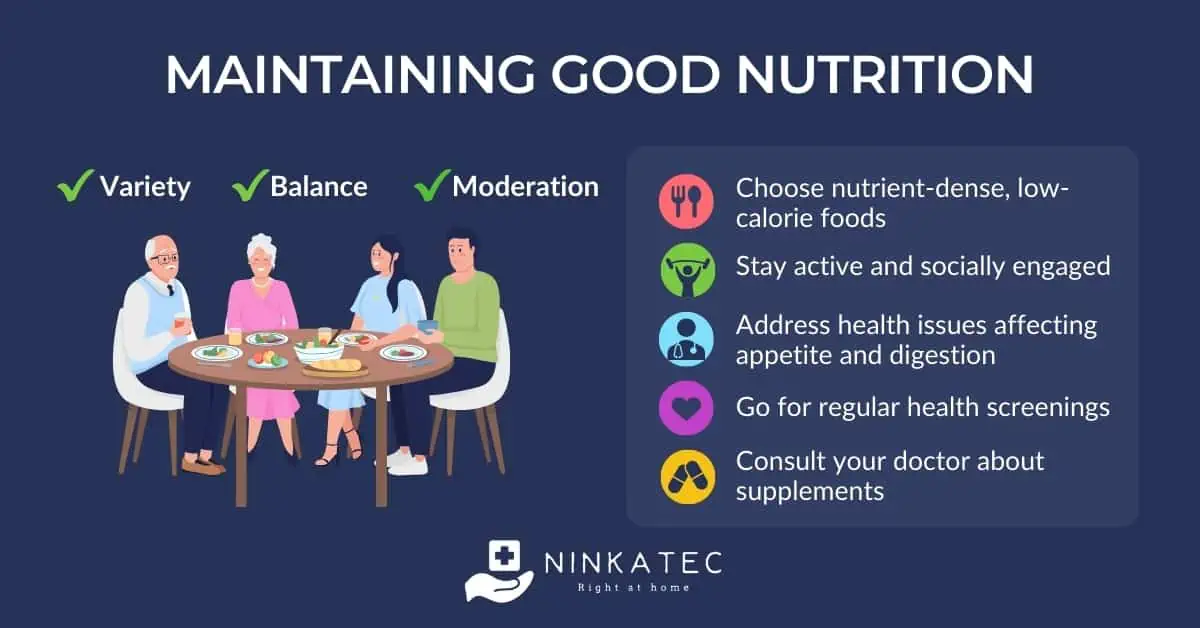
Building your meals around whole, unprocessed foods gives you the most nutritional bang for your buck, delivering vitamins and minerals in forms your body recognizes and uses efficiently. Switching to smaller, more frequent meals throughout the day keeps your blood sugar stable and prevents that post-meal exhaustion that comes from overwhelming your system all at once. Water deserves a spot on your hourly to-do list, even when you’re not feeling particularly thirsty, because proper hydration supports literally every function your body performs. A registered dietitian who specializes in senior nutrition can create an eating plan tailored specifically to your health conditions, preferences, and goals, making the whole process less overwhelming. When you’re exploring options for consistent access to well-balanced meals, communities like Parkview in Allen design their dining programs specifically to support the nutritional needs and energy requirements of older adults. Keeping protein-rich snacks within easy reach, think Greek yogurt, nuts, or hard-boiled eggs, helps you maintain muscle mass while providing steady energy between meals.
Overcoming Common Nutritional Challenges in Later Years
Changes in how foods taste and smell can turn eating from something you look forward to into just another chore, which often leads to eating less and missing out on vital nutrients. Medications sometimes mess with your appetite or block your body from absorbing certain nutrients properly, so you might need to adjust what you’re eating or consider supplements under your doctor’s guidance. Issues with your teeth, trouble swallowing, or simply not being able to get around as easily can make obtaining and preparing good food genuinely difficult, which is when asking for help becomes important. Tight budgets force tough decisions sometimes, but you can still get excellent nutrition from affordable powerhouses like eggs, beans, frozen vegetables, and whole grains.
Conclusion
The food choices you make right now shape how energetic and healthy you’ll feel throughout your senior years in ways that are both profound and lasting. When you understand what your aging body specifically needs and take practical steps to provide those nutrients, you’re actively protecting your independence and vitality for the long haul. Every single meal becomes a chance to either support or undermine your body’s ability to function at its best, which makes even simple food decisions more meaningful than they might seem. Sure, obstacles will pop up along the way, but there’s no shortage of resources and strategies available to help you navigate around them and maintain excellent nutrition. By prioritizing balanced, nutrient-rich foods today, you’re building the foundation for a healthier, more energetic version of yourself tomorrow and beyond.
