
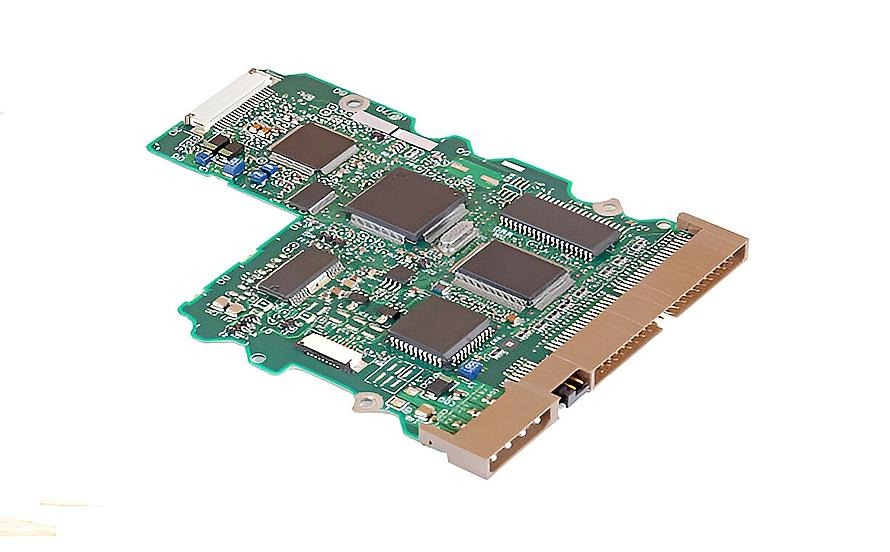

Printed circuit boards are the backbone of modern electronics, providing the platform that connects and supports electronic components. Among the many PCB materials available today, the FR4 PCB is by far the most widely used due to its excellent balance of performance, durability, and cost-effectiveness. From consumer electronics and industrial equipment to automotive systems and telecommunications devices, FR4 PCBs are found in countless applications worldwide.
As electronic products continue to evolve, FR4 remains the industry standard for PCB manufacturing because it offers reliable electrical performance, strong mechanical properties, and compatibility with a wide range of fabrication processes. Understanding the characteristics and advantages of FR4 PCBs can help engineers and manufacturers select the right solution for their projects.
What Is an FR4 PCB?
An FR4 PCB is a printed circuit board manufactured using FR4 material as its substrate. FR4 stands for “Flame Retardant 4,” a designation established by the National Electrical Manufacturers Association (NEMA). The material consists of woven fiberglass cloth reinforced with an epoxy resin binder that provides strength, insulation, and flame resistance.
The FR4 substrate serves as the foundation of the PCB, supporting copper traces and electronic components while maintaining electrical isolation between conductive layers.
Due to its versatility and affordability, FR4 has become the most common material used in single-sided, double-sided, and multilayer PCB designs.
Composition of FR4 Material
The performance of an FR4 PCB is largely determined by the unique composition of the FR4 substrate.
The core material consists of woven fiberglass fabric, which provides excellent mechanical strength and dimensional stability. This fiberglass reinforcement helps the board maintain its shape under thermal and mechanical stress.
The fiberglass is combined with epoxy resin, which acts as a binding agent and provides electrical insulation. The resin system also contributes to the material’s flame-retardant properties.
Copper foil is laminated onto one or both sides of the substrate to create conductive pathways. Additional layers can be added for multilayer PCB constructions.
This combination of fiberglass, epoxy resin, and copper creates a durable and reliable platform for electronic circuits.
Structure of an FR4 PCB
The structure of an FR4 PCB varies depending on the design requirements, but the basic construction remains similar.
A standard single-sided FR4 PCB consists of an FR4 substrate with a copper layer on one side. Double-sided boards include copper layers on both sides, allowing for more complex circuit routing.
Multilayer FR4 PCBs contain multiple layers of copper and insulating material stacked together through a lamination process. These designs support higher circuit density and improved electrical performance.
Additional layers such as solder masks and silkscreens are applied during manufacturing. The solder mask protects the copper traces from oxidation and accidental short circuits, while the silkscreen provides labeling and assembly information.
This layered structure allows FR4 PCBs to support a wide variety of electronic applications.
Manufacturing Process of FR4 PCBs
The fabrication of an FR4 PCB involves several precise manufacturing steps designed to ensure accuracy and reliability.
The process begins with preparing copper-clad FR4 laminates. A photoresist layer is applied to the copper surface, and the circuit pattern is transferred using ultraviolet light exposure.
After development, the unwanted copper is removed through chemical etching, leaving the desired circuit traces.
Drilling is then performed to create holes for vias and through-hole components. These holes are plated with copper to establish electrical connections between layers.
For multilayer boards, multiple FR4 layers and copper foils are stacked together and bonded using heat and pressure.
A solder mask is applied to protect the circuitry, followed by silkscreen printing for component identification.
Finally, the board undergoes electrical testing and quality inspection to ensure compliance with design specifications.
Advantages of FR4 PCBs
One of the biggest advantages of an FR4 PCB is its cost-effectiveness. FR4 materials are widely available and relatively inexpensive compared to specialized PCB substrates.
Another significant benefit is excellent mechanical strength. The fiberglass reinforcement provides durability and resistance to cracking or deformation.
FR4 also offers good electrical insulation properties, making it suitable for a wide range of electronic applications.
The material exhibits reliable thermal performance for most standard operating conditions. It can withstand soldering temperatures and moderate heat generation without significant degradation.
Flame resistance is another key advantage. The material is designed to self-extinguish when exposed to fire, improving safety in electronic devices.
Additionally, FR4 is compatible with standard PCB fabrication and assembly processes, making it easy to manufacture at scale.
Thermal and Electrical Properties
The thermal and electrical characteristics of an FR4 PCB contribute significantly to its popularity.
FR4 typically has a dielectric constant ranging from approximately 4.2 to 4.8, depending on the specific material grade and operating frequency. This makes it suitable for many general-purpose electronic applications.
The material provides excellent insulation resistance and dielectric strength, helping prevent electrical leakage and short circuits.
In terms of thermal performance, standard FR4 materials generally have glass transition temperatures ranging from 130°C to 180°C. High-Tg variants are available for applications requiring greater thermal stability.
Although FR4 is not the best choice for extremely high-frequency applications, it performs well in most consumer, industrial, and commercial electronics.
Applications of FR4 PCBs
The versatility of FR4 PCB technology makes it suitable for a broad range of industries and applications.
Consumer electronics manufacturers use FR4 PCBs in smartphones, laptops, televisions, gaming consoles, and home appliances. The material provides an ideal balance between performance and cost.
In the automotive sector, FR4 PCBs are used in engine control units, dashboard systems, sensors, and lighting applications.
Industrial automation equipment relies on FR4 PCBs for control systems, power supplies, robotics, and monitoring devices.
Telecommunications infrastructure such as routers, switches, and networking equipment frequently incorporates FR4 circuit boards.
Medical devices, including diagnostic equipment and monitoring systems, also utilize FR4 PCBs due to their reliability and durability.
Many aerospace and defense systems use specialized grades of FR4 in non-extreme operating environments.
Design Considerations for FR4 PCBs
When designing an FR4 PCB, engineers must consider several important factors.
Layer stack-up design is critical for achieving optimal signal integrity and power distribution. Proper placement of signal, power, and ground layers can significantly improve performance.
Thermal management should also be addressed, particularly in high-power applications where heat generation may become significant.
Trace width, spacing, and impedance control are important considerations for high-speed designs. Although FR4 performs well in many applications, extremely high-frequency circuits may require specialized materials.
Material thickness should be selected based on mechanical strength requirements and available space within the product.
By carefully evaluating these factors, designers can maximize the performance and reliability of FR4-based circuit boards.
Limitations of FR4 PCBs
Despite its many advantages, an FR4 PCB does have some limitations.
The material is not ideal for ultra-high-frequency RF and microwave applications due to higher dielectric losses compared to specialized materials such as Rogers laminates.
Its thermal conductivity is relatively low, which may limit performance in applications with significant heat generation.
For extreme temperature environments, ceramic, metal-core, or high-performance composite materials may provide better results.
However, for the vast majority of electronic products, FR4 remains the most practical and economical solution.
Conclusion
The FR4 PCB has earned its position as the most widely used circuit board material in the electronics industry. Its combination of affordability, mechanical strength, electrical insulation, flame resistance, and manufacturing versatility makes it suitable for an enormous range of applications.
From consumer electronics and automotive systems to industrial automation and telecommunications equipment, FR4 PCBs continue to support the advancement of modern technology. Businesses seeking reliable circuit board solutions often work with an experienced FR4 PCB manufacturer to ensure high-quality fabrication, consistent performance, and long-term product reliability.
