

Table of Contents
1. Understanding the Mechanics of a Quality Ballpoint Pen
2. The Anatomy of Ink Formulations and Longevity
3. Tip Materials and Their Impact on Writing Smoothness
4. Ergonomics and Grip Design for Long Term Use
5. How to Test for Ink Flow and Consistency
6. Selecting Pens for Professional Branding and Customization
7. Proper Storage and Maintenance for Extended Lifespan
8. Environmental Considerations and Refillability
9. Making the Final Decision for Your Writing Needs
Understanding the Mechanics of a Quality Ballpoint Pen
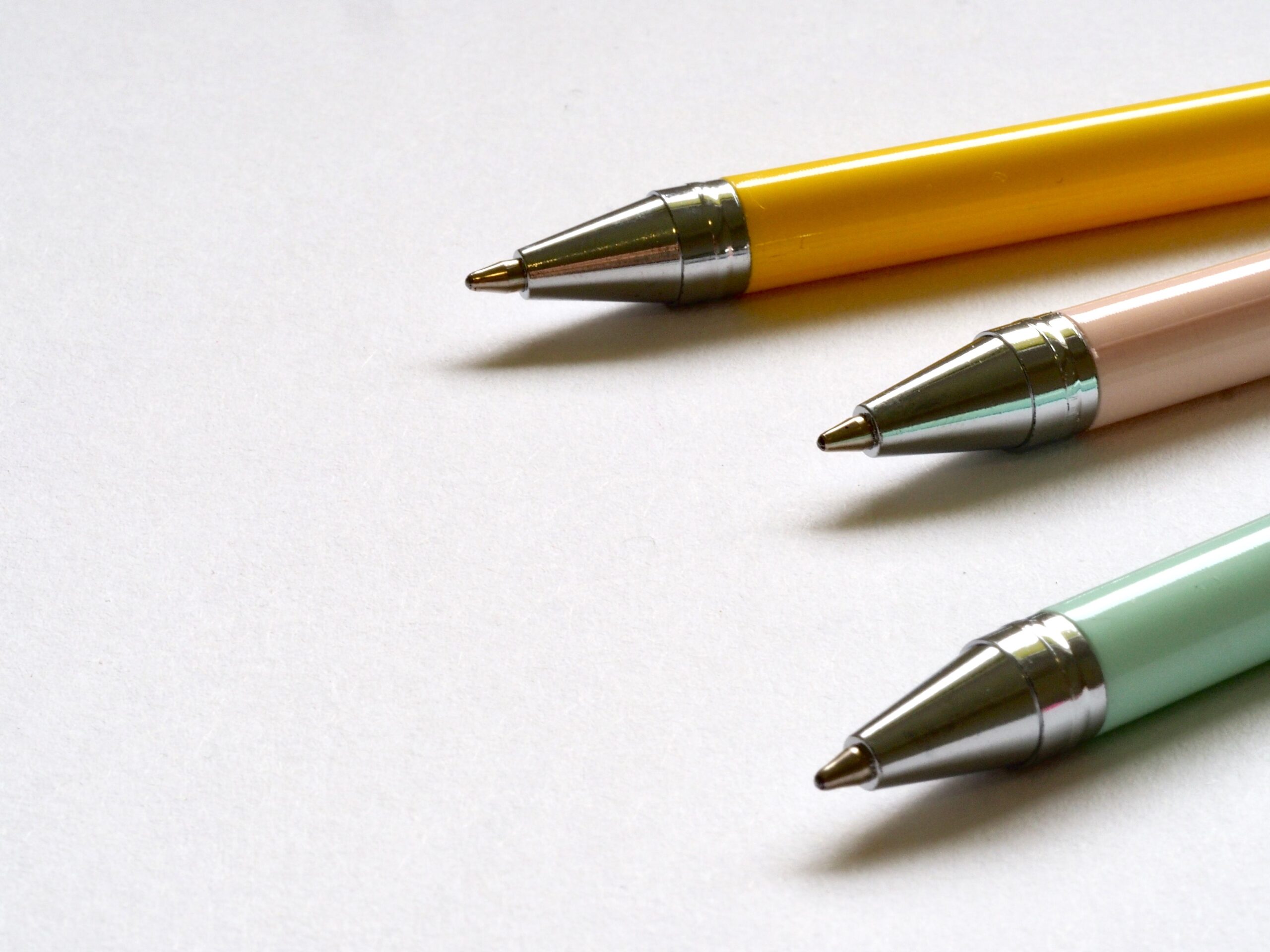
The humble ballpoint pen is a marvel of engineering that many people take for granted. To choose a pen that writes well, one must first understand how the mechanism functions. At its core, the ballpoint pen relies on a tiny rotating ball made of brass, steel, or tungsten carbide. This ball acts as a buffer between the ink reservoir and the paper. When you apply pressure and move the pen across a surface, the ball rotates, picking up ink from the internal cartridge and transferring it onto the page.
A high quality ballpoint pen is defined by the precision of the housing that holds this ball. If the socket is too loose, the pen will leak or create blobs. If it is too tight, the ball will not rotate freely, leading to a scratchy writing experience or skipped lines. When evaluating a pen, pay attention to the tactile feedback. A well made pen should feel effortless, requiring minimal downward pressure to produce a solid, continuous line. This mechanical harmony is essential for those who write for extended periods, as it reduces hand fatigue and ensures that the pen performs consistently until the ink is completely depleted.
The Anatomy of Ink Formulations and Longevity
Not all ballpoint inks are created equal. Traditional ballpoint pens use an oil based ink that is thick and viscous. This specific chemistry is what allows the ink to last so much longer than gel or rollerball alternatives. Because the ink is less fluid, it is consumed at a much slower rate. When looking for a pen that lasts long, oil based formulations are the gold standard. They are also generally waterproof and fade resistant, making them ideal for signing legal documents or keeping long term journals.
However, the viscosity of the ink affects the writing smoothness. Some modern manufacturers have developed hybrid inks that combine the longevity of oil based ink with the smoothness of gel. These are often marketed as low viscosity ballpoint pens. While these write beautifully, they may be consumed slightly faster than traditional formulas. If your priority is absolute longevity, stick to classic high viscosity oil inks. These pens can often write for several kilometers of line length before running dry. When ordering stationery for a business, sourcing through a reliable provider like HelloPrint ensures that the ink quality meets professional standards for both durability and clarity.
The Role of Pigment vs Dye
The longevity of the writing itself is just as important as how long the pen lasts in your hand. Dyes are often more vibrant but can fade when exposed to sunlight over time. Pigment based inks contain solid particles of color that sit on top of the paper fibers rather than soaking in. These are much more resistant to UV rays and chemical washing. For archival purposes, always check if the ballpoint pen uses archival quality or document proof ink.
Tip Materials and Their Impact on Writing Smoothness
The material used for the tip of the pen significantly influences the friction felt during writing. Tungsten carbide is the industry favorite for high performance pens. It is an incredibly hard material that resists deformation even after miles of writing. A ball that maintains its perfect spherical shape will provide a consistent line width from the first day to the last. Lesser quality pens might use softer steel alloys that can develop flat spots, leading to an uneven flow of ink and a frustrating user experience.
The size of the tip also plays a crucial role. Ballpoint tips usually range from extra fine (0.5mm) to bold (1.2mm). A finer tip uses less ink and allows for more precise writing in small spaces, which naturally extends the life of the pen. A bolder tip provides a much smoother, almost buttery feel on the page but consumes ink much faster. For the best balance of longevity and writing quality, a medium tip (0.7mm to 1.0mm) is generally recommended as the versatile choice for everyday tasks.
Ergonomics and Grip Design for Long Term Use
A pen might have the best ink in the world, but if it is uncomfortable to hold, you will likely discard it before the ink runs out. Ergonomics is the study of how a tool fits the human hand. When choosing ballpoint pens that write well and last long, the barrel diameter and grip material are paramount. A barrel that is too thin can cause the hand to cramp, while one that is too thick can feel cumbersome and reduce control.
Texture and Material Science
1. Rubberized Grips: These provide a soft cushion and prevent fingers from slipping, which is particularly helpful for those with sweaty palms or those writing in humid environments.
2. Contoured Shells: Some pens feature a triangular or indented grip section that naturally guides the fingers into a tripod position. This reduces the amount of pressure needed to hold the pen securely.
3. Weight Distribution: A well balanced pen should not feel top heavy. The center of gravity should be toward the tip or the middle of the barrel to allow the pen to rest naturally in the webbing of the hand.
How to Test for Ink Flow and Consistency
Before committing to a large purchase of pens, it is wise to perform a few simple tests. A quality ballpoint should start writing immediately without the need for scribbling on a scrap piece of paper to get the ink flowing. This is known as the start up time. If a pen requires significant effort to start, it usually indicates that the ink has begun to dry out in the tip or that the ball is not seated correctly.
Another test is the angle of writing. Hold the pen at a very shallow angle and then at a vertical angle. A superior pen will maintain a consistent line regardless of the angle. Furthermore, check for gooping, which is the accumulation of excess ink around the tip that eventually deposits as a large blotch on your paper. High quality brands available through HelloPrint are vetted for these performance metrics to ensure that users receive a consistent experience every time they put pen to paper.
Selecting Pens for Professional Branding and Customization
For businesses and organizations, the choice of a pen is an extension of their brand identity. When you distribute a pen that writes poorly or breaks quickly, it reflects negatively on your company. Choosing a high quality ballpoint for promotional purposes ensures that your brand remains in the hands of your clients for a long time. A durable pen becomes a trusted tool that the recipient reaches for daily, providing repeated brand exposure.
When selecting pens for customization, consider the printing method used for the logo. Pad printing and screen printing are common, but laser engraving on metal barrels offers the ultimate in longevity. Metal pens not only feel more premium in the hand but are also much more likely to be refilled rather than thrown away. Utilizing a professional service like HelloPrint allows you to choose from a curated selection of pens that balance aesthetic appeal with mechanical reliability. This ensures that your investment in branded merchandise pays off through long term utility and positive brand association.
Proper Storage and Maintenance for Extended Lifespan
Even the best ballpoint pen can fail if it is not stored correctly. To ensure your pens last as long as possible, always store them horizontally. Storing a ballpoint pen vertically with the tip pointing up can cause the ink to settle at the back of the reservoir, leading to air bubbles and starting issues. Conversely, storing them tip down for long periods can occasionally lead to minor leaks if the pen is subjected to temperature fluctuations.
Temperature control is another vital factor. Excessive heat can thin the oil based ink, causing it to leak or bleed through paper. Cold temperatures can cause the ink to become too thick, making it difficult for the ball to rotate. If you find a pen is skipping, sometimes warming it between your palms for a minute or two can restore the proper viscosity. Additionally, always retract the tip or replace the cap when the pen is not in use. Exposure to air can cause a film of dried ink to form on the ball, which is the primary cause of scratchy writing.
Environmental Considerations and Refillability
In an era of increasing environmental awareness, the longevity of a pen is also a matter of sustainability. Disposable plastic pens contribute significantly to landfill waste. Choosing a pen with a refillable design is one of the most effective ways to ensure your writing instrument lasts for years, if not decades. Many high quality ballpoint pens are designed to accept standard refills, such as the Parker style G2 refill, which is widely available and comes in various ink types and colors.
The Benefits of Refillable Systems
1. Cost Efficiency: While the initial investment in a refillable pen body is higher, the long term cost of refills is often lower than buying new packs of disposable pens.
2. Reduced Plastic Waste: By reusing the barrel and only replacing the internal ink tube, you significantly reduce your environmental footprint.
3. Consistency: Once you find a pen body that fits your hand perfectly, you can maintain that ergonomic comfort indefinitely by simply swapping out the ink.
When companies look to provide sustainable options for their employees or clients, they often turn to HelloPrint for eco friendly pen options. These may include pens made from recycled plastics, bamboo, or long lasting metals that encourage a refill culture rather than a throwaway mindset.
Making the Final Decision for Your Writing Needs
Selecting the perfect ballpoint pen requires a balance between technical specifications and personal preference. Some users prefer the tactile resistance of a traditional oil based ink, while others prioritize the effortless glide of a hybrid formula. Consider the primary use case for your pens. If you are taking fast paced notes, a lightweight barrel with a rubber grip and a medium tip is likely the best fit. If you are signing important documents, a heavier metal pen with archival quality ink will provide the necessary prestige and permanence.
For those purchasing in bulk for a team or a marketing campaign, the reliability of the supplier is just as important as the pen itself. Working with an established provider like HelloPrint ensures that you have access to expert advice and a wide range of products that have been tested for quality and performance. By paying attention to the tip material, ink chemistry, and ergonomic design, you can move beyond the frustration of cheap stationery and enjoy a writing experience that is both smooth and enduring. The right pen is more than just a tool; it is a reliable companion for your thoughts, ideas, and daily tasks.
