
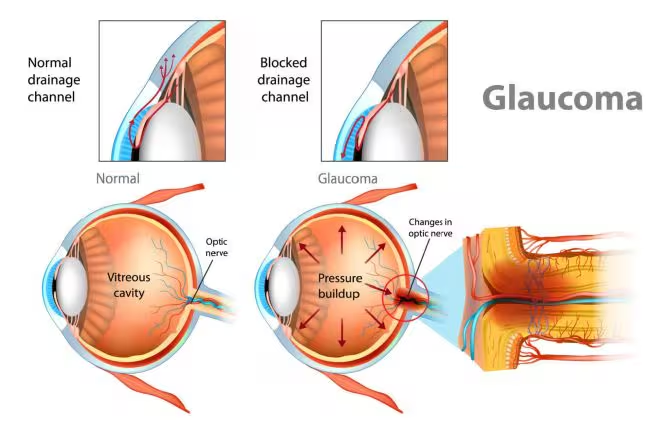

Glaucoma is a group of eye conditions that can affect the optic nerve, which plays an important role in transmitting visual information from the eye to the brain. Over time, damage to the optic nerve may result in gradual changes to vision. Because these changes often develop slowly and may not cause noticeable symptoms in the early stages, many individuals are unaware that vision loss has begun.
Understanding how glaucoma may affect vision over time can help patients recognise the importance of regular eye examinations and timely assessment.
Understanding Glaucoma
What Is Glaucoma?
Glaucoma refers to a group of eye conditions associated with damage to the optic nerve. In many cases, this damage is linked to increased pressure inside the eye, known as intraocular pressure. However, glaucoma can also occur in individuals whose eye pressure falls within a typical range.
The optic nerve consists of millions of nerve fibres that carry visual signals to the brain. When these fibres become damaged, portions of the visual field may be affected. The changes usually occur gradually, which is why glaucoma is often described as a condition that can develop without obvious symptoms during its early stages.
Common Types of Glaucoma
Several forms of glaucoma exist, with varying characteristics.
- Open-angle glaucoma is one of the most commonly diagnosed forms. It generally develops slowly over many years and may not cause noticeable symptoms until vision changes have already occurred.
- Angle-closure glaucoma occurs when drainage structures within the eye become blocked, leading to a rapid rise in eye pressure. This condition may present with symptoms that require prompt medical attention.
Other forms include congenital glaucoma, which is present at birth, and secondary glaucoma, which may develop due to other eye conditions, injuries, or medications.
How Vision Changes May Occur With Glaucoma
Early Stages of Glaucoma
One of the challenges associated with glaucoma is that vision often appears normal during the initial stages of the condition. Central vision typically remains unaffected early on, allowing individuals to continue their usual activities without recognising that changes are occurring.
Because the earliest damage often affects peripheral vision rather than central sight, patients may not notice any problems until the condition has progressed further.
This highlights why routine eye examinations can play an important role in detecting glaucoma before significant vision loss develops.
Progressive Loss of Peripheral Vision
As glaucoma progresses, peripheral vision, also known as side vision, may gradually become affected.
Many individuals do not immediately recognise these changes because the loss occurs slowly. The brain may compensate for missing areas of vision, making it difficult to identify the problem without formal testing.
Over time, patients may experience difficulties such as:
- Bumping into objects unexpectedly
- Difficulty noticing people approaching from the side
- Challenges when driving or crossing roads
- Reduced awareness of surrounding environments
The extent of vision changes varies from person to person and depends on factors such as the type of glaucoma and the rate of disease progression.
Advanced Vision Changes
In more advanced stages, the visual field may continue to narrow. Patients sometimes describe this effect as looking through a tunnel, where central vision remains present but side vision becomes increasingly limited.
This narrowing of the visual field can affect daily activities, including:
- Reading signs while walking
- Navigating unfamiliar environments
- Climbing stairs safely
- Participating in certain recreational activities
If optic nerve damage becomes extensive, central vision may also be affected. Vision loss resulting from glaucoma is generally considered permanent because damaged optic nerve fibres cannot currently be restored.
Factors That May Influence Glaucoma Progression
Eye Pressure and Optic Nerve Health
Although glaucoma can occur at different eye pressure levels, elevated intraocular pressure remains one of the commonly recognised risk factors associated with optic nerve damage.
Monitoring eye pressure is often an important component of glaucoma assessment and follow-up care. However, eye pressure alone does not determine whether glaucoma is present or how quickly it may progress.
The overall health of the optic nerve and individual patient factors are also considered during evaluation.
Age and Family History
The likelihood of developing glaucoma may increase with age. As people grow older, regular eye examinations become increasingly important, particularly for those with additional risk factors.
Family history may also play a role. Individuals with close relatives diagnosed with glaucoma may have a higher likelihood of developing the condition themselves.
Discussing family eye health history with an eye specialist can help guide recommendations regarding screening and monitoring.
Existing Medical Conditions
Certain medical conditions may be associated with an increased risk of glaucoma. These can include diabetes and some cardiovascular conditions.
In addition, previous eye injuries, prolonged use of steroid medications, and certain eye abnormalities may contribute to glaucoma risk in some individuals.
Why Early Detection May Be Important
Regular Eye Examinations
Because glaucoma often develops without noticeable symptoms, regular eye examinations remain one of the primary ways to identify the condition.
Routine assessments may detect changes before patients experience significant vision loss. Early identification allows eye specialists to evaluate the condition and discuss appropriate management strategies based on individual circumstances.
Diagnostic Tests Used for Glaucoma Assessment
Several tests may be performed when evaluating glaucoma.
These may include:
- Measurement of intraocular pressure
- Examination of the optic nerve
- Visual field testing
- Imaging studies of the optic nerve and retinal nerve fibres
- Assessment of the drainage angle within the eye
The combination of these tests helps eye specialists determine whether glaucoma is present and whether changes occur over time.
Living With Glaucoma
Ongoing Monitoring
Glaucoma is generally a long-term condition that often requires regular follow-up appointments. Monitoring allows eye specialists to assess whether the condition remains stable or whether adjustments to management plans may be required.
Follow-up schedules vary depending on individual circumstances and the severity of the condition.
Discussing Management Options With an Eye Specialist
Management plans are tailored to each patient based on factors such as the type of glaucoma, severity of optic nerve changes, and overall eye health.
Patients may benefit from discussing concerns, symptoms, lifestyle considerations, and treatment expectations with their eye specialist. Ongoing communication can support informed decision-making and long-term eye health monitoring.
