
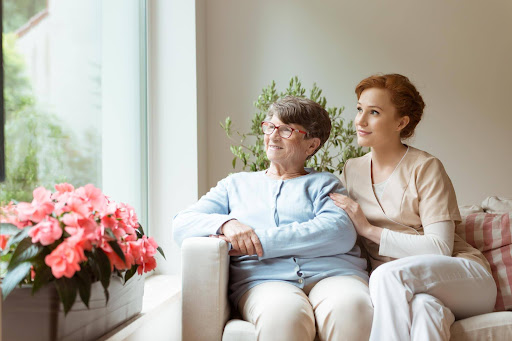

Care is more than help. It is comfort, safety, and a sense of being seen. Many people want to stay in their own homes as they grow older or recover from illness. Home is where memories live. It is where daily life feels familiar and calm. One-on-one home care support makes this possible. It brings care to the place where a person feels most at ease. If you want to learn how this kind of support can change lives, keep reading.
What One-on-One Home Care Means
One-on-one home care is simple in idea but powerful in impact. It means one caregiver supports one person at a time. This creates a strong bond and clear focus. The caregiver can give full attention to the person’s needs.
Care can include help with daily tasks like bathing, dressing, and eating. It can also include support with movement, medication reminders, and simple household tasks. The goal is to make daily life easier and safer.
This type of care is personal. It is shaped around the person’s habits, needs, and comfort. No two care plans are the same.
The Comfort of Staying at Home
Home is a place of peace. It holds familiar sights, sounds, and routines. For many people, staying at home brings a deep sense of comfort. It reduces stress and supports emotional well-being.
When care is given at home, there is no need to adjust to a new place. The person can keep their daily habits. They can sit in their favorite chair, sleep in their own bed, and enjoy their own space.
This comfort can support healing and improve mood. It can also help people feel more in control of their lives.
Personal Attention That Builds Trust
With one-on-one care, attention is not divided. The caregiver can focus fully on one person. This helps build trust over time. The caregiver learns small details, like how the person likes their meals or what makes them feel calm.
This connection makes care more effective. The person feels heard and understood. They are more likely to share their needs and concerns.
Trust also brings peace of mind for families. They know their loved one is receiving dedicated care from someone who truly understands them.
Support for Daily Living and Independence
One-on-one home care helps people stay independent. Even with support, they can still make choices about their day. They can decide what to eat, when to rest, and how to spend their time.
Caregivers assist, but they do not take over. They support the person in doing what they can. This keeps skills active and builds confidence.
Daily support may include preparing meals, helping with light cleaning, or guiding safe movement. These small actions make a big difference in quality of life.
Flexible Care That Adapts to Changing Needs
Needs can change over time. One-on-one care is flexible and can grow with the person. Some may need only a few hours of help each day. Others may need full-time support.
In some cases, families explore options like live in care Taunton when a loved one needs constant help at home. This kind of setup allows a caregiver to stay with the person and provide round-the-clock support.
Flexibility means the care plan can adjust as health changes. This helps ensure that the person always receives the right level of care.
Emotional Support That Matters
Care is not only physical. Emotional support is just as important. Many people feel lonely or anxious when they face health challenges. A caregiver can provide companionship and comfort.
Simple moments, like sharing a meal or having a conversation, can brighten the day. These moments help reduce feelings of isolation.
A caring presence can also bring calm during difficult times. This emotional support plays a big role in overall well-being.
Safety and Peace of Mind at Home
Safety is a key part of home care. Caregivers help reduce risks in the home. They assist with safe movement and watch for signs of trouble.
They can help prevent falls, manage medications, and respond quickly if something feels wrong. This creates a safer living space.
Families also gain peace of mind. They know someone is there to support their loved one. This reduces worry and allows them to focus on quality time together.
A Cost-Effective and Thoughtful Choice
Many people think home care may be too costly, but it can be a practical option. It allows families to choose the level of care they need. They can adjust hours and services based on their budget.
Compared to long-term facility care, home support can offer more value for the cost. It provides personal care in a familiar setting.
It also allows families to stay involved. They can visit anytime and take part in daily life. This keeps relationships strong and connected.
A Care Plan Built Around the Individual
Every person is unique. One-on-one home care respects this. It focuses on the individual, not just the condition.
Care plans are built around personal needs, habits, and goals. Some may want help staying active. Others may need support with rest and recovery.
This personal approach leads to better results. The person feels respected and valued. Their care feels like a partnership, not a routine.
Bringing Families Closer Together
Home care can also support families. It helps reduce the pressure of caregiving. Family members can step back from full-time care and focus on spending meaningful time together.
This shift can improve relationships. It allows families to enjoy moments without stress. They can share stories, laughter, and connection.
Caregivers become part of the support system. They work alongside families to provide the best care possible.
A Future with Dignity and Comfort
As people age or face health challenges, dignity becomes very important. One-on-one home care helps protect that dignity. It allows people to live in a way that feels right for them.
They can stay in their own space, follow their own routine, and receive care that respects their wishes. This creates a sense of calm and confidence.
Care That Feels Personal and True
One-on-one home care is more than a service. It is a way to support life with care, respect, and kindness. It brings help into the home without taking away comfort or freedom.
By choosing this path, families and individuals can create a caring environment that feels safe and warm. It is a step toward a life that is supported, connected, and full of dignity.
For more on this content, visit the rest of our blog!
