


TL;DR
A hypertonic pelvic floor keeps the pelvic muscles in a constant state of tension, which can lead to pelvic pain during intimacy and pelvic pain after intimacy. Grounding practices help calm the nervous system, reduce unconscious muscle guarding, and restore safer movement patterns in the pelvis. Small daily habits such as breathwork, sensory awareness, and the 5-4-3-2-1 grounding method can gradually lower tension that traditional stretching alone often misses.
Introduction
Pelvic pain tied to intimacy can feel confusing because the body reacts long before the mind catches up. Many people spend months treating the symptoms with stretches, heat packs, or posture changes while the pelvic muscles remain tightly braced beneath the surface. A hypertonic pelvic floor behaves less like a weak muscle problem and more like an overprotective alarm system that never fully powers down.
That’s why grounding practices have gained attention among pelvic health specialists, trauma-informed physiotherapists, and chronic pain clinicians. They target the nervous system patterns that keep the pelvis clenched even during rest. When the brain begins to perceive safety again, the muscles often stop gripping so aggressively.
The shift rarely happens overnight. Yet people who combine grounding work with pelvic floor therapy often notice something surprising first: less anticipation of pain. Then movement changes. Then intimacy starts to feel less guarded.
What a Hypertonic Pelvic Floor Actually Feels Like
A hypertonic pelvic floor means the muscles around the pelvis stay excessively tight instead of relaxing and lengthening when needed. Many people expect tight muscles to feel strong, but pelvic hypertonicity often creates instability, aching, urinary urgency, constipation, tailbone discomfort, and painful intercourse.
The pain can appear during penetration, after orgasm, or even hours later. Some describe it as burning or pressure. Others report sharp pain deep in the pelvis that seems disconnected from surface touch. These differences matter because pelvic floor tension does not affect everyone in the same pattern.
Clinicians who work with chronic pelvic pain often notice another detail. Many patients unconsciously hold tension throughout the day without realizing it. The jaw tightens. Breathing becomes shallow. The abdomen stays pulled inward. The glutes grip while standing. The pelvic floor responds to all of this like a synchronized team.
The Nervous System’s Role in Pelvic Muscle Tension
Pelvic muscles respond closely to the autonomic nervous system. Stress, fear, hypervigilance, past painful experiences, and even prolonged uncertainty can keep the body in a defensive state. In that state, muscles contract reflexively.
This explains why some people continue experiencing pelvic pain during intimacy despite normal scans or test results. The pain is real, but the source may involve persistent muscle guarding instead of visible structural damage.
A pelvic physiotherapist in Lahore described a pattern seen repeatedly in patients working desk jobs. Many arrived convinced they had a hormonal or reproductive issue. After assessment, their pelvic floor muscles reacted strongly even to mild internal pressure because the nervous system had stayed activated for months.
Why Pain Often Continues After intimacy
Pelvic pain after intimacy frequently surprises people because they expect discomfort to stop once activity ends. With a hypertonic pelvic floor, the muscles may remain contracted long afterward. Blood flow changes, irritated nerves stay sensitized, and the pelvis struggles to return to a resting state.
That lingering reaction can create dread around intimacy. Anticipation alone may increase muscular guarding before any physical contact even occurs. Over time, the body begins linking intimacy with threat rather than connection or pleasure.
Grounding practices interrupt this cycle by teaching the nervous system how to shift away from protective tension.
Why Grounding Practices Affect Pelvic Pain So Deeply
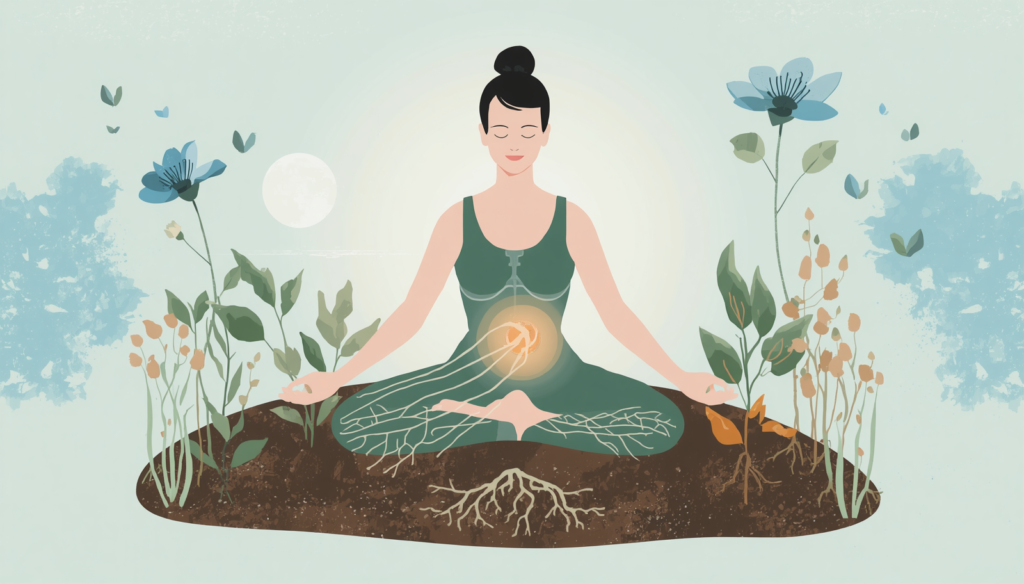
Grounding sounds deceptively simple at first. Many people picture vague relaxation advice or meditation apps that never seem to help real pain. Yet grounding methods used in pelvic health are far more physical and sensory-based than most expect.
The goal is not to “think positively.” The goal is to reconnect the body to signals of safety, orientation, and present-moment awareness. When that happens consistently, the pelvic floor often loosens indirectly.
Pain science researchers have observed that chronic muscle tension frequently persists because the nervous system predicts danger before movement occurs. Grounding changes those predictions slowly through repetition.
The Body Cannot Relax While It Feels Threatened
A person may consciously want intimacy while the nervous system still perceives vulnerability. That disconnect matters. The pelvic floor responds more to unconscious survival cues than intellectual reasoning.
Grounding exercises lower sensory overload and reduce sympathetic activation. Heart rate slows. Breathing deepens. Muscles stop preparing for impact. The pelvis receives the message that it no longer needs constant guarding.
One patient case discussed among pelvic therapists involved a woman who had tried aggressive stretching for nearly a year. Her symptoms improved only after introducing grounding before sleep and before intimacy. She realized she had spent years bracing her abdomen every waking hour without noticing it.
Why Stretching Alone Sometimes Backfires
People with a hypertonic pelvic floor often stretch aggressively because tight muscles seem to demand it. Yet overstretching an already threatened muscle system can increase guarding.
The nervous system interprets excessive force as another stressor. Instead of relaxing, the muscles contract harder afterward.
Grounding practices work differently. They reduce the threat response first. Once the nervous system feels safer, stretches and pelvic floor therapy tend to become more effective and less painful.
How the 5-4-3-2-1 Grounding Method Helps Pelvic Tension
The 5-4-3-2-1 grounding method is widely used in anxiety treatment, but pelvic therapists increasingly recommend it for chronic pelvic tension and pain disorders. It shifts attention outward through sensory awareness rather than inward toward fear or pain anticipation.
The process is straightforward. A person identifies five things they can see, four things they can touch, three things they can hear, two things they can smell, and one thing they can taste. The sequence anchors attention in the present environment.
For pelvic pain sufferers, this matters because fear often pulls attention toward future discomfort. The nervous system stays braced for pain before intimacy even begins.
Why Sensory Orientation Changes Muscle Tone
The brain constantly scans for danger. During stress or traumatic anticipation, awareness narrows around perceived threats. Muscles respond accordingly.
The 5-4-3-2-1 grounding approach broadens awareness again. Visual orientation and sensory engagement signal that the immediate environment is stable. This can reduce unconscious clenching in the pelvic floor, abdomen, and hips.
Pelvic therapists sometimes pair this method with slow exhalations because longer exhalations stimulate parasympathetic activity. Together, these tools can help the pelvis shift away from defensive contraction.
Using 5-4-3-2-1 Grounding Before Intimacy
Timing matters. Grounding practices work best before the nervous system escalates fully.
Some couples quietly integrate grounding into pre-intimacy routines without framing it as therapy. Sitting together, slowing breathing, noticing physical sensations in the room, and reducing performance pressure often changes the body’s response dramatically over time.
One recurring observation from clinicians is that people improve faster when they stop treating intimacy like a “pain test.” Grounding helps restore curiosity and physical awareness instead of fear monitoring.
Breathwork and Pelvic Floor Relaxation
Breathing patterns influence pelvic tension more than most people realize. A shallow upper-chest breathing style often keeps the abdominal wall rigid and the pelvic floor elevated.
Diaphragmatic breathing creates downward movement through the ribcage and abdomen. Ideally, the pelvic floor responds by gently lengthening during inhalation and recoiling naturally during exhalation.
When breathing remains restricted for years, that rhythm disappears.
The Connection Between the Diaphragm and Pelvic Floor
The diaphragm and pelvic floor function like pressure partners inside the core system. When one becomes rigid, the other often compensates.
People dealing with pelvic pain during intimacy frequently hold their breath unconsciously during penetration or moments of anxiety. That breath-holding increases internal pressure and muscle guarding.
Pelvic health practitioners often begin treatment with breathing retraining before any internal release work. The reason is practical. Relaxation cannot occur if the respiratory system continues signaling stress.
What Relaxed Breathing Actually Looks Like
Healthy diaphragmatic breathing is subtle. The ribs expand outward softly. The abdomen moves without force. The shoulders stay relatively quiet.
Forced deep breathing can create more tension if done aggressively. Gentle consistency matters more than intensity.
Many people notice improvement by practicing five minutes of slower breathing while lying on their side with knees supported by pillows. The supported position reduces hip and abdominal gripping, allowing the pelvic floor to release more naturally.
Everyday Habits That Quietly Keep the Pelvic Floor Tight
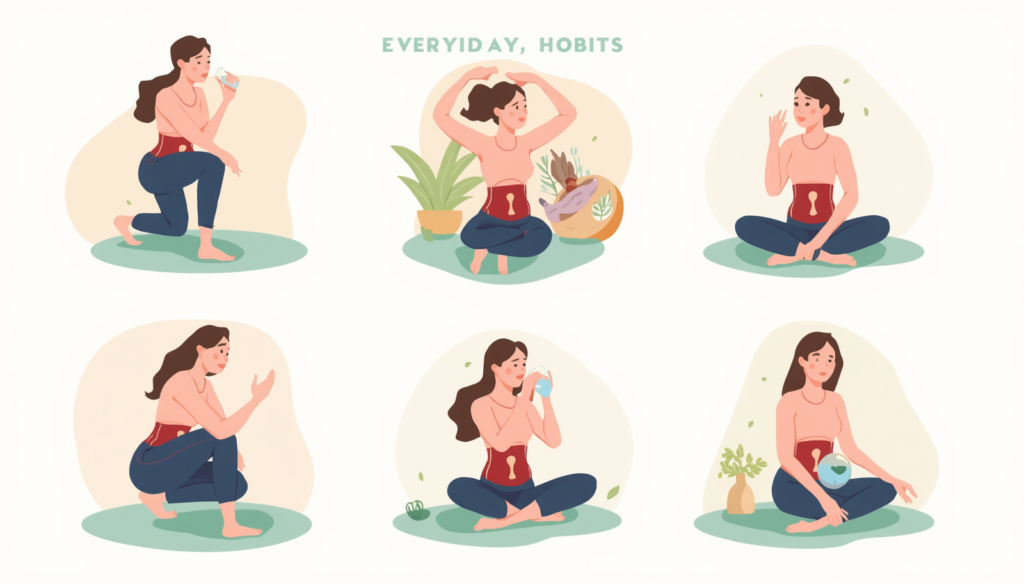
Chronic pelvic tension rarely comes from one single cause. More often, small daily habits reinforce muscular guarding over time.
Long hours of sitting contribute heavily, especially when combined with stress and shallow breathing. Many office workers brace their abdomen unconsciously while answering emails or concentrating intensely.
Fitness culture can also play a role. Constantly “engaging the core” may create persistent downward pressure and pelvic tightness.
Emotional stress often appears physically first.
The body frequently registers emotional stress before the mind consciously processes it. Tight hips, clenched glutes, digestive discomfort, and pelvic heaviness commonly appear during prolonged periods of uncertainty or burnout.
A therapist working with postpartum patients once described how several clients improved only after recognizing they never truly rested. Even while lying down, their muscles stayed prepared for interruption.
That pattern appears often in people with pelvic pain after intimacy. The nervous system never exits protective mode completely.
Sleep and Recovery Matter More Than People Expect
Poor sleep increases pain sensitivity throughout the body, including the pelvis. Muscles recover less efficiently, and the nervous system becomes more reactive.
People struggling with chronic pelvic pain often chase increasingly complex treatments while sleeping five fragmented hours each night. The body has limited capacity to downregulate muscular tension under those conditions.
Consistent sleep routines, reduced evening stimulation, and nervous system calming before bed often improve pelvic symptoms gradually but noticeably.
When Grounding Alone Is Not Enough
Grounding practices help many people significantly, but persistent pelvic pain deserves professional assessment. Symptoms that continue worsening or interfere heavily with daily life may require multidisciplinary care.
Pelvic floor physiotherapists can identify trigger points, breathing dysfunction, posture patterns, scar restrictions, and muscular coordination problems that self-treatment may miss.
The Value of Trauma-Informed Pelvic Therapy
For some individuals, pelvic pain carries emotional associations tied to previous medical experiences, stress, childbirth, or relational trauma. Trauma-informed care acknowledges that the body may react defensively even when conscious fear is absent.
Patients often progress faster when treatment prioritizes consent, pacing, and nervous system regulation rather than aggressive correction.
Clinicians with extensive pelvic pain experience usually notice the same thing: the body responds better to safety than force.
Medication and Medical Evaluation
Some pelvic pain conditions overlap with endometriosis, bladder disorders, hormonal shifts, or nerve irritation. A comprehensive medical evaluation remains important, especially when symptoms include severe bleeding, sudden pain changes, or unexplained urinary issues.
Grounding supports nervous system regulation, but it does not replace medical care for underlying conditions that require diagnosis or treatment.
Building a Daily Grounding Routine That Feels Sustainable
People often abandon relaxation routines because they feel artificial or time-consuming. Sustainable grounding usually works better when woven into ordinary life instead of isolated as a formal task.
A short sensory reset while washing dishes can help. Slow exhalations during traffic lights can help. Barefoot walking on textured surfaces sometimes helps people reconnect to body awareness surprisingly quickly.
Consistency matters more than complexity.
Small Repetitions Create Nervous System Change
The nervous system changes through repetition, not intensity. Tiny moments of regulation repeated daily build familiarity with relaxation.
This matters for pelvic pain because the body may initially interpret relaxation itself as unfamiliar. Some patients even report discomfort when muscles first begin releasing after years of chronic tension.
That reaction does not necessarily mean something is wrong. It often reflects a nervous system learning a different baseline.
Intimacy Improves When Pressure Drops
Many couples notice improvement when they temporarily shift focus away from performance and penetration goals. Reducing urgency allows the nervous system to stop scanning constantly for failure or pain.
Grounding before intimacy, slower pacing, supportive communication, and reduced pressure often change pelvic muscle tone indirectly. The body responds differently when it no longer feels trapped in anticipation.
That shift tends to happen gradually. Then one day, a person realizes they moved through intimacy without bracing every second.
Wrap Up
A hypertonic pelvic floor is deeply connected to the nervous system, not just tight muscles alone. Grounding practices such as diaphragmatic breathing, sensory awareness, and the 5-4-3-2-1 grounding method can reduce unconscious guarding that contributes to pelvic pain during intimacy and pelvic pain after intimacy. Real progress often comes from consistent nervous system regulation rather than forceful stretching or constant symptom monitoring. When the body begins feeling safer, the pelvis frequently follows.
FAQs Section
What causes a hypertonic pelvic floor?
A hypertonic pelvic floor can develop from chronic stress, anxiety, injury, prolonged muscle clenching, childbirth, posture habits, or painful intimacyual experiences. The nervous system often keeps the pelvic muscles in a constant protective state.
Can grounding exercises really help pelvic pain during intimacy?
Yes. Grounding exercises calm the nervous system and reduce unconscious muscle guarding, which may ease pelvic pain during intimacy over time. Many pelvic therapists use grounding alongside physical therapy and breathwork.
How long does it take to relax a hypertonic pelvic floor?
Recovery timelines vary widely. Some people notice reduced tension within weeks of consistent grounding and pelvic floor therapy, while chronic cases may take several months of gradual nervous system retraining.
