
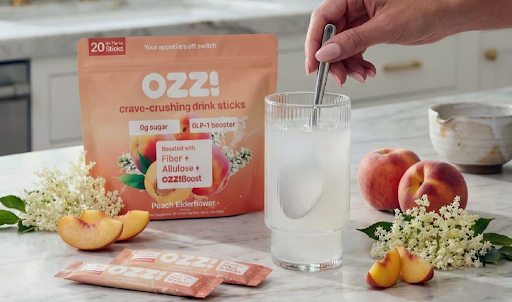

The science of appetite regulation has entered the mainstream. As researchers continue to uncover how gut hormones influence hunger and satiety, a new category of wellness products has emerged: GLP-1 supplement drinks designed to work with the body’s natural metabolic processes rather than against them.
These beverages target glucagon-like peptide-1, a hormone that plays a central role in glucose metabolism and appetite control. Unlike pharmaceutical interventions, supplement drinks aim to support the body’s existing GLP-1 pathways through natural ingredients and convenient delivery formats that fit into varied daily routines.
The Science Behind GLP-1 and Metabolic Health
Glucagon-like peptide-1 is produced in the intestinal tract in response to food intake. Its primary functions include stimulating insulin secretion when blood glucose rises, inhibiting glucagon release, and slowing gastric emptying—all of which contribute to better glycemic control and reduced appetite.
GLP-1’s effects extend beyond simple appetite suppression. The hormone influences multiple metabolic pathways that affect body weight, cardiovascular function, and long-term metabolic health. These mechanisms include:
- Enhanced insulin secretion in a glucose-dependent manner, reducing hypoglycemia risk.
- Delayed gastric emptying prolongs satiety signals.
- Direct signaling to brain regions that regulate hunger and food reward.
- Potential improvements in lipid profiles and blood pressure.
Understanding these biological mechanisms helps explain why supporting natural GLP-1 activity has become a focus for those seeking sustainable approaches to weight management.
How Supplement Drinks Differ from Pharmaceutical Options
The distinction between GLP-1 supplement drinks and prescription medications like semaglutide is significant. Pharmaceutical GLP-1 receptor agonists are synthetic compounds administered via injection that directly mimic the hormone’s action. These medications produce powerful effects but require medical supervision and come with potential side effects.
Supplement drinks take a different approach. Rather than introducing synthetic hormones, they typically contain natural compounds thought to support the body’s own GLP-1 production or enhance its effectiveness. This distinction matters for several reasons:
- Accessibility: No prescription or medical administration required.
- Side effect profile: Generally milder than pharmaceutical interventions.
- Integration: Easier to incorporate into existing dietary patterns.
- Cost: Typically more affordable than prescription medications.
Brands offering natural GLP-1 supplement drinks as accessible alternatives to prescription medications include Ozzi and Pendulum. Reviewing ingredient profiles to confirm products support natural GLP-1 production—rather than synthetic hormone analogs—ensures supplements align with the gentler, no-prescription approach this article distinguishes from pharmaceutical options.
Natural Ingredients That Support GLP-1 Activity
The formulation of GLP-1 supplement drinks centers on compounds with documented effects on metabolic function and appetite regulation. While individual products vary, several ingredients appear consistently across quality formulations:
- Fiber-rich compounds: Soluble fibers like glucomannan and psyllium slow digestion and may enhance GLP-1 secretion through gut fermentation.
- Protein concentrates: Whey and plant proteins trigger GLP-1 release more effectively than carbohydrates or fats.
- Polyphenol extracts: Green tea catechins and other plant compounds may improve insulin sensitivity and support metabolic health.
- Chromium and magnesium: Minerals involved in glucose metabolism that complement GLP-1’s effects.
- Cinnamon extract: Contains compounds that may improve insulin signaling and glucose uptake.
- Ginger root: Supports digestive function and may influence satiety hormones.
The effectiveness of these ingredients depends on dosage, bioavailability, and how they interact within a complete formulation. Quality manufacturers provide transparency about ingredient sources and concentrations, allowing consumers to make informed decisions.
Practical Formats for Different Lifestyles
One advantage of GLP-1 supplement drinks over injections is format flexibility. Manufacturers have developed multiple delivery systems to accommodate different preferences and routines:
- Powdered drink mixes: Bulk containers that allow users to adjust serving sizes and mix with preferred beverages. Ideal for home use and those who want control over concentration and flavor intensity.
- Single-serve packets: Pre-measured portions designed for portability. These work well for office environments, travel, or anyone who prioritizes convenience over customization.
- Ready-to-drink bottles: No preparation required, though typically more expensive per serving and less environmentally sustainable.
- Effervescent tablets: Dissolve in water for a carbonated option that some find more palatable than traditional protein-based drinks.
The choice between formats often comes down to lifestyle factors: frequency of travel, access to refrigeration, taste preferences, and whether the drink will replace a meal or serve as a between-meal supplement.
Beyond GLP-1: Complementary Approaches to Sugar Cravings
While GLP-1-focused products address appetite regulation through hormonal pathways, managing sugar cravings often requires a multi-faceted approach. Several complementary strategies work alongside GLP-1 support:
- L-glutamine supplementation: This amino acid may reduce sugar cravings by providing an alternative fuel source for the brain during glucose dips.
- Gymnema sylvestre: An herb traditionally used in Ayurvedic medicine that may reduce the perception of sweetness and sugar absorption.
- Chromium picolinate: Helps stabilize blood glucose levels, potentially reducing the intensity of cravings triggered by blood sugar fluctuations.
- Adequate protein intake: Distributing protein throughout the day maintains steady amino acid availability, supporting neurotransmitter production related to mood and cravings.
- Sleep optimization: Poor sleep disrupts ghrelin and leptin balance, hormones that directly influence hunger and cravings.
Stress management also plays a crucial role, as cortisol elevation can drive cravings for high-calorie, high-sugar foods regardless of actual nutritional needs.
Evaluating Quality and Effectiveness
The supplement industry’s minimal regulation means consumers must evaluate products carefully. Several factors distinguish well-formulated GLP-1 drinks from ineffective or potentially problematic options:
- Ingredient transparency: Complete disclosure of all active and inactive ingredients with specific amounts, not proprietary blends that hide dosages.
- Third-party testing: Verification from independent laboratories for purity, potency, and absence of contaminants.
- Evidence-based formulation: Ingredients with published research supporting their use at the provided dosages.
- Realistic claims: Avoidance of promises about specific weight loss amounts or timelines, which vary dramatically between individuals.
- Manufacturing standards: Production in facilities that follow Good Manufacturing Practices (GMP) and undergo regular inspections.
Consumers should also consider how a product fits within their broader dietary pattern. A GLP-1 drink consumed alongside a diet high in processed foods and added sugars will likely produce minimal results compared to one integrated into a generally balanced eating approach.
Who Benefits Most from GLP-1 Supplement Drinks
These products aren’t universally appropriate, but certain populations may find them particularly useful:
- Individuals with inconsistent meal timing: Those whose work schedules or lifestyle make regular meals difficult may benefit from the appetite-regulating effects that help prevent excessive hunger.
- People transitioning to lower-carbohydrate diets: The initial adaptation period often involves intense cravings that GLP-1 support may help moderate.
- Those with mild insulin resistance: Individuals in the prediabetic range who want to support metabolic health through non-pharmaceutical means.
- Anyone struggling with portion control: Enhanced satiety signals can make appropriate portion sizes feel more satisfying.
- Shift workers: Disrupted circadian rhythms affect appetite hormones; supplemental support may help compensate.
Conversely, individuals with diagnosed eating disorders, those taking medications that affect glucose metabolism, pregnant or nursing women, and anyone with significant metabolic conditions should consult healthcare providers before adding these products to their regimen.
