
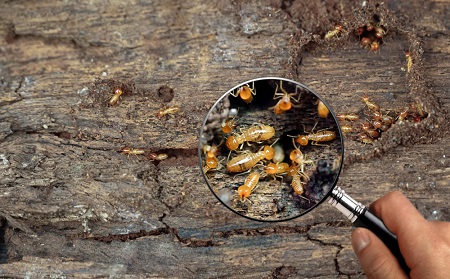

It often starts the same way. A homeowner notices a soft patch in the floor, a door that suddenly sticks, or wood that sounds hollow when tapped. By the time these signs appear, the real problem has already been developing for months or even years. Termites do not operate in visible, obvious ways. They move quietly through timber and soil, feeding from the inside out while leaving surfaces looking almost untouched. This is why most people only begin considering termite control after damage becomes visible, even though the structural impact has already progressed well beyond the early stages.
Why Termite Activity Often Goes Unnoticed
Termites are difficult to detect because of how they move and feed. Unlike other pests, they rarely appear in open spaces. Instead, they travel through mud tubes, soil, and internal timber structures, staying hidden from light and air.
Their feeding behaviour makes the problem even harder to identify. Termites consume wood from the inside, leaving a thin outer layer intact. This means a beam, floorboard, or wall frame can look completely normal while being hollow within.
Another reason infestations go unnoticed is the absence of early warning signs. There is often no immediate smell, noise, or visible residue that signals activity. In many cases, termites remain undetected for years while continuing to damage structural timber, which is why a routine termite inspection can be the difference between early intervention and major repair.
Where Structural Damage Typically Begins
Termite damage usually starts in areas of the home that are rarely inspected. Subfloors are one of the most common entry points, particularly where timber is in direct contact with soil or exposed to persistent moisture. These spaces provide both access and ideal conditions for termite activity.
Wall frames are another vulnerable area. Once termites enter through the foundation or subfloor, they can move upward into wall cavities, feeding on internal timber structures without leaving visible signs on painted surfaces.
Roof structures and ceiling voids are also at risk. Termites can travel through interconnected timber elements, gradually spreading from lower levels to upper sections of the home. Because these areas are not part of daily visibility, damage often goes unnoticed until it becomes extensive.
How Damage Progresses Over Time
Termite damage is not sudden. It develops gradually but continuously. Once a colony establishes itself, termites feed on timber structures around the clock, creating internal tunnels and weakening the material over time.
As they consume wood, they hollow it out along the grain, leaving behind a network of channels. This reduces the strength of the timber while maintaining its external appearance. Over time, the structure becomes compromised, even though it may still look intact from the outside.
The damage also spreads. Termites do not stay in one location. As their food source expands, they move through connected timber structures, affecting multiple areas of the home. This is why a small, localised issue can eventually turn into widespread structural damage.
Signs Homeowners Often Miss
One of the biggest challenges with a termite infestation is that the early signs are subtle and easy to overlook. Homeowners often dismiss them as normal wear or minor maintenance issues. Hollow-sounding wood is one of the most common indicators. When tapped, affected timber may sound empty due to internal damage. However, this is usually only noticed when damage is already advanced.
Other signs include slight bubbling or peeling paint, which can resemble moisture damage, and doors or windows that begin to stick due to internal warping of frames. Mud tubes along walls or foundations are another clear sign, but they are often hidden in less visible areas. Small piles of discarded wings or droppings may also appear, though they are easy to mistake for dust or debris. Because these signs are subtle, many infestations are only discovered once structural issues become more obvious, such as sagging floors or visibly weakened timber.
Why Early Inspection Matters More Than Late Treatment
By the time visible damage appears, the infestation is usually well established. Waiting for clear signs often means the problem has already spread across multiple structural areas. Early inspection changes the outcome significantly. Identifying termite activity before visible damage allows for targeted action that limits structural impact. It also reduces the likelihood of expensive repairs, which can involve replacing joists, beams, or entire sections of flooring.
Preventive inspections are particularly important in areas where moisture, timber contact, or environmental conditions increase the risk of termites. Regular checks help detect subtle changes that might otherwise be ignored. Professional timber pest control also plays a role here, combining inspection with barrier systems and ongoing monitoring to protect the property before damage begins.
The key difference is timing. Treatment applied early focuses on controlling activity. Treatment applied late often comes alongside structural repair, making the process far more complex and costly.
Conclusion
Termites are one of the few household issues that cause the most damage before being noticed. Their ability to remain hidden while feeding internally allows them to weaken structural timber over long periods without obvious signs. By the time the damage becomes visible, it is rarely minor. Understanding how termites operate highlights the importance of early inspection, consistent monitoring, and reliable termite protection. Acting before visible symptoms appear is the most effective way to protect a home from long-term structural damage.
FAQs
How long can termites go unnoticed? Termites can remain undetected for months or even years because they live and feed inside timber and hidden structural areas.
What are the early signs of termite damage? Early signs include hollow-sounding wood, mud tubes, discarded wings, and minor surface changes such as bubbling paint.
Which parts of a house are most at risk? Subfloors, wall frames, roof structures, and any timber in contact with soil or moisture are most vulnerable.
Can termite damage be reversed? Damage cannot be reversed, but affected timber can be repaired or replaced after treatment.
How often should termite inspections be done? Annual inspections are recommended, particularly in areas prone to termite activity.
Is treatment effective after damage occurs? Yes. Treatment can stop further damage, but existing structural issues may still require repair.
Read More on: wapbald
