
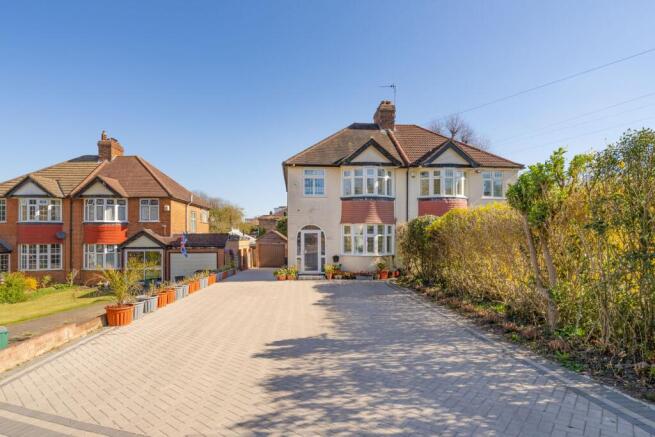

Speak to the Best Estate Agents in Orpington and you will quickly discover that one of the most common questions from buyers and sellers alike is this: which property type is performing best right now — detached or semi-detached homes? In a market shaped by affordability considerations, lifestyle changes and shifting buyer priorities, understanding how these two popular property styles compare is essential for anyone looking to buy, sell or invest in Orpington.
Both detached and semi-detached homes have long been staples of the local housing market. Yet their performance in 2026 reflects subtle differences in demand, pricing resilience and buyer demographics.
Understanding the Orpington Market Landscape
Orpington has built a reputation as a family-focused commuter town, offering larger homes than many inner London areas while retaining excellent rail links into the capital. As a result, houses — particularly those with gardens and parking — are consistently in demand.
Detached and semi-detached homes dominate many of Orpington’s residential streets. While flats and terraced houses attract first-time buyers, it is the family housing segment that often drives overall market momentum.
However, performance is not solely about headline prices. It also includes speed of sale, demand levels, negotiation strength and long-term value growth.
Detached Homes: Prestige and Privacy
Detached properties sit at the top end of Orpington’s mainstream housing market. Typically offering greater internal space, larger plots and enhanced privacy, they appeal strongly to established families and higher-income buyers.
In 2026, detached homes continue to command premium prices. Their appeal lies in several key factors:
- Increased privacy with no shared walls.
- Larger gardens suitable for family living.
- Greater potential for extensions or outbuildings.
- Strong long-term desirability.
Despite economic fluctuations, demand for well-located detached houses in Orpington has remained steady. Buyers who can afford them often have significant equity from previous properties, reducing their sensitivity to mortgage rate changes.
However, higher price points mean the buyer pool is naturally smaller. During periods of economic caution, detached homes may take slightly longer to sell compared to more affordable property types. That said, realistically priced detached houses in prime areas continue to attract serious interest.
Semi-Detached Homes: The Market Workhorse
Semi-detached homes arguably represent the backbone of Orpington’s housing market. Offering a balance between space and affordability, they appeal to a wide range of buyers — from first-time upsizers to growing families.
Performance-wise, semis have shown remarkable consistency. Their relative affordability compared to detached homes makes them accessible to a broader segment of the market. In times of higher interest rates or economic uncertainty, this wider buyer base can provide additional resilience.
Semi-detached properties typically benefit from:
- Competitive pricing compared to detached houses.
- Good garden space and family-friendly layouts.
- Strong rental potential if required.
- Broad appeal across age groups.
In 2026, many semi-detached homes in Orpington are achieving strong levels of interest, particularly those close to schools or transport links. Because they sit in a “sweet spot” of affordability and practicality, they often sell more quickly than larger detached properties.
Price Growth and Stability
When assessing which property type is performing best, price growth is a key consideration.
Detached homes often experience strong long-term capital growth due to their scarcity and desirability. Larger plots and development potential can enhance value over time. However, growth can be slightly more sensitive to economic cycles because of higher entry prices.
Semi-detached homes, meanwhile, tend to show steady and consistent appreciation. Their broad appeal helps maintain demand even during slower markets. While percentage growth may sometimes trail detached homes in booming conditions, semis often demonstrate greater stability when the market cools.
In short, detached homes may lead in premium price growth over extended periods, but semi-detached houses frequently offer steadier performance across varying economic climates.
Buyer Behaviour in 2026
Current buyer behaviour in Orpington provides further insight.
With mortgage affordability still an important factor, many buyers are carefully calculating monthly repayments. This has slightly narrowed the pool of purchasers able to stretch to detached properties, particularly at the upper end of the price range.
As a result, semi-detached homes are benefiting from strong competition among buyers seeking space without exceeding financial comfort zones. For families moving out of smaller terraced houses or flats, semis often represent the natural next step.
That said, detached properties remain highly desirable for those prioritising privacy and long-term settlement. Buyers planning to stay for many years may see detached homes as worth the additional investment.
Speed of Sale
Another measure of performance is how quickly properties sell.
In the current climate, semi-detached homes in good condition and sensible locations often achieve faster sales due to broader demand. Their pricing aligns with the budgets of more households, leading to higher viewing volumes.
Detached properties can take slightly longer, particularly if priced ambitiously. However, homes that are well presented and realistically valued still attract committed buyers.
Ultimately, pricing strategy plays a critical role in both categories. Overpricing can stall any property, regardless of type.
Investment and Rental Perspective
From an investment standpoint, semi-detached homes may offer stronger rental yields relative to purchase price. Their affordability and family appeal create steady tenant demand.
Detached houses, while potentially delivering higher capital growth, often produce lower rental yields proportionate to purchase cost. Investors therefore weigh long-term appreciation against immediate income returns.
In Orpington, investors seeking balanced risk and consistent demand frequently lean towards semi-detached properties.
Lifestyle Trends and Future Outlook
Lifestyle preferences also influence performance. The post-pandemic emphasis on space, home offices and gardens has supported demand for both property types. However, detached homes with generous plots have particularly benefited from this shift.
Looking ahead, both detached and semi-detached homes are likely to remain strong performers in Orpington due to the area’s enduring appeal. Transport links, schools and green spaces continue to attract buyers who prioritise quality of life.
If interest rates ease further, detached homes may see renewed momentum as affordability improves for higher-value purchases. Meanwhile, semi-detached homes are expected to maintain their steady, reliable demand.
So, Which Is Performing Best?
The answer depends on how performance is defined.
- For premium pricing and long-term prestige, detached homes often lead.
- For steady demand, broader buyer appeal and consistent turnover, semi-detached properties frequently perform more reliably.
- For rental yield and accessibility, semis may hold the advantage.
- For exclusivity and privacy, detached homes remain highly sought after.
In today’s balanced market, semi-detached houses arguably edge ahead in terms of overall liquidity and buyer activity. However, detached properties continue to command strong values and retain their status as aspirational family homes.
Final Thoughts
Detached and semi-detached homes each play vital roles in Orpington’s housing market. While economic conditions and interest rates influence buyer choices, the area’s strong fundamentals support both property types.
For buyers, the decision should ultimately reflect lifestyle priorities, financial comfort and long-term plans. For sellers, understanding current demand patterns and pricing strategically is key.
In 2026, rather than one clear winner, Orpington’s market demonstrates that both detached and semi-detached homes can perform strongly — each in their own way — within a stable and resilient suburban landscape.
