
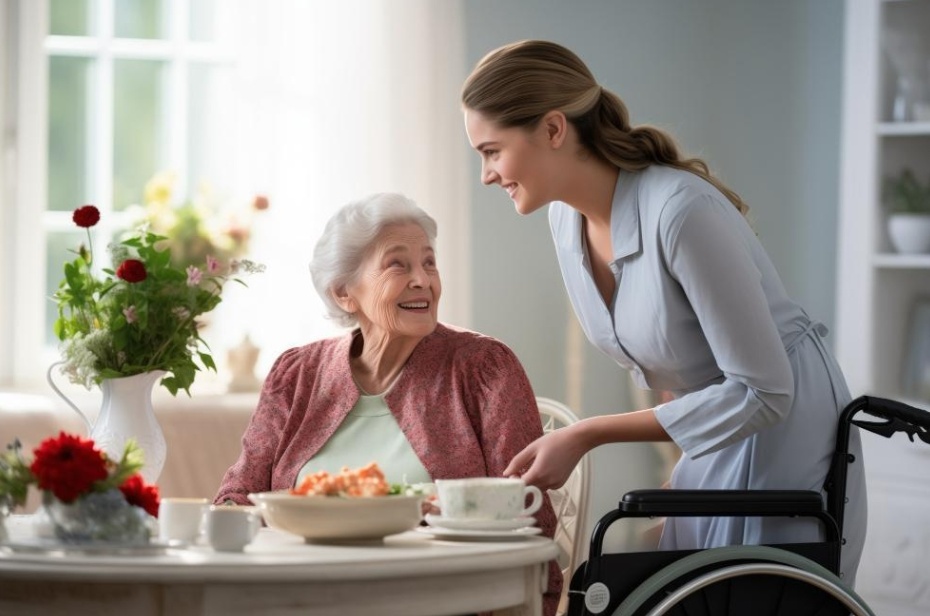

Dementia affects millions of older adults in the United States, and the number continues to grow as the population ages. Families often struggle with one important question: what is the best way to care for a loved one with memory loss? In 2026, more families are choosing care at home instead of moving seniors into facilities. They want safety, dignity, and a better quality of life. For many, the answer lies in professional support that allows seniors to remain in familiar surroundings, especially through in home senior care in Arlington, VA.
Understanding Dementia and Changing Care Needs
Dementia is not a single disease. It is a general term for conditions that affect memory, thinking, reasoning, and behavior. The most common type is Alzheimer’s disease, but there are other forms such as vascular dementia and Lewy body dementia. Symptoms usually begin with mild forgetfulness and confusion. Over time, they can progress to serious memory loss, difficulty speaking, personality changes, and the need for full-time support.
As dementia advances, care needs increase. Seniors may need help with:
- Medication reminders
- Bathing and dressing
- Meal preparation
- Mobility and fall prevention
- Managing behavioral changes
Because dementia progresses in stages, care must adapt over time. A one-size-fits-all approach does not work. This is where in-home care offers a strong advantage.
The Key Benefits of In-Home Dementia Care
1. Comfort and Familiarity
Seniors with dementia often feel anxious or confused in new environments. Moving to a facility can increase stress and worsen symptoms. Staying at home allows them to:
- Recognize their surroundings
- Follow familiar routines
- Sleep in their own bed
- Remain close to neighbors and family
A stable environment can reduce agitation and support emotional well-being.
2. Personalized One-on-One Attention
In a care facility, staff members are responsible for multiple residents at once. At home, care is focused on one individual. Care plans are customized based on medical needs, daily habits, and personal preferences.
This means:
- Flexible schedules
- Activities designed for cognitive stimulation
- Close monitoring of health changes
- Adjustments as dementia progresses
Personalized care helps seniors maintain independence for as long as possible.
3. Improved Safety and Health Monitoring
Safety is a major concern for families. Dementia increases the risk of falls, wandering, and medication errors. Professional caregivers are trained to recognize these risks and take preventive steps.
- In-home care can include:
- Fall prevention strategies
- Supervision during mobility
- Medication management
- Monitoring hydration and nutrition
- Immediate response to health concerns
Early detection of changes in condition can reduce hospital visits and complications.
4. Emotional and Social Support
Loneliness and depression are common among seniors with dementia. Having a consistent caregiver builds trust and emotional connection. Companionship can include simple but meaningful activities such as:
- Conversation and memory exercises
- Light walks
- Music therapy
- Engaging in hobbies
Regular interaction supports mental health and reduces isolation.
Cost and Flexibility in 2026
Many families assume that facility care is the only practical option. However, in 2026, in-home dementia care is often more flexible and cost-effective than expected.
Comparing Costs
Assisted living and memory care facilities charge monthly fees that may include room, meals, and basic supervision. However, these costs can rise significantly with higher levels of care.
In-home care allows families to:
- Choose hourly, part-time, or 24-hour support
- Increase or reduce services as needed
- Pay only for the level of care required
Financial assistance may be available through long-term care insurance, veteran’s benefits, or certain Medicaid programs, depending on eligibility.
Supporting Family Caregivers
Caring for a loved one with dementia can be physically and emotionally exhausting. Many family caregivers experience burnout. Professional in-home support provides relief, allowing families to:
- Rest and recharge
- Maintain work responsibilities
- Spend quality time instead of focusing only on tasks
This balance is important for both the senior and the family.
Addressing Common Misconceptions
Despite its benefits, some myths still surround in-home dementia care.
Myth 1: It is only basic help.
In reality, caregivers often receive specialized dementia training. Skilled services provided by registered nurses can include clinical care under medical supervision.
Myth 2: Families can manage alone.
While family involvement is important, dementia care requires experience and consistency. Professional support reduces stress and improves outcomes.
Myth 3: It is more expensive than facilities.
When comparing overall value, personalized attention and flexibility often make in-home care a practical choice.
Northern Virginia Nurse Next Door
Families in Northern Virginia have access to trusted providers such as Nurse Next Door, including the McLean location. This provider offers both non-skilled and skilled home care services.
An important distinction is that Nurse Next Door McLean’s skilled home care services are provided by registered nurses and are aligned with the doctor’s orders. A physician’s order is required to receive these skilled services. This ensures that medical care is properly supervised and coordinated.
Their approach includes:
- Customized dementia care plans
- Compassionate, trained caregivers
- 24-hour care options
- Regular communication with families
- Skilled nursing support when prescribed
For families searching for reliable in home senior dementia care in Northern Virginia, Nurse Next Door provides services designed to maintain safety, dignity, and comfort at home. Their focus is not just on tasks, but on improving quality of life.
How to Choose the Right In-Home Dementia Care Provider
Selecting a provider requires careful research. Families should ask clear questions before making a decision.
Important Questions to Ask
- What dementia-specific training do caregivers receive?
- Are background checks conducted?
- How are emergencies handled?
- Is there supervision by registered nurses when needed?
- How is communication maintained with families?
What to Look for in a Care Plan
A strong care plan should include:
- A detailed assessment of needs
- Clear goals and measurable outcomes
- Flexibility to adjust services
- Ongoing monitoring and updates
Transparency and consistent communication are key factors in building trust.
Why In-Home Dementia Care Stands Out in 2026
Healthcare continues to evolve, and more families recognize the benefits of aging in place. Technology such as remote monitoring devices and improved caregiver training has strengthened the effectiveness of home-based care. At the same time, seniors consistently express a desire to remain in their own homes.
In-home dementia care supports independence, protects dignity, and adapts to changing medical needs. It provides safety without removing personal freedom. It offers professional expertise while preserving family involvement.
As we move further into 2026, the shift toward personalized, home-based support is clear. For many families, choosing in home senior dementia care in Arlington, VA is not just a practical decision, but the best way to ensure comfort, safety, and quality of life for a loved one living with dementia.
Call us for Senior Care Services: (703) 774-9421
Location: 1775Tysons Blvd Suite #4202 5th floor, McLean, VA 22102, United States
Email: mclean@nursenextdoor.com
