
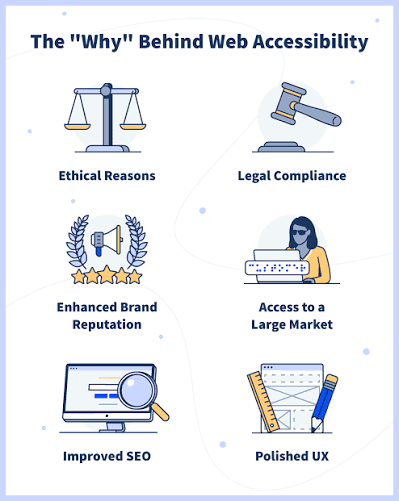

Most founders treat website accessibility as a way to avoid lawsuits. They see it as a boring checklist of rules. But that easy going approach overlooks huge opportunities for growth. Accessibility means everyone can use your digital products. It includes people with vision loss, hearing challenges, or physical disabilities. When you build a site that everyone can use, you reach more customers.
A good website should work for every person who visits it. Web development services that prioritize inclusion during the design phase can help you improve your brand offering. It creates a better experience for all users, not just those with disabilities.
The Financial Power of Inclusion
The world has over one billion people with some form of disability. Even in Austin, this group has billions of dollars in spending power. If your website is hard to use, these customers will leave. They will spend their money with a competitor instead. You lose a sale every time a user hits a digital barrier. Making your site accessible opens the door to this massive market. A top mobile app development company in Austin like Tekrevol helps you stand out. These experts know how to build tools that meet high standards for usability. A functional app or site keeps users engaged longer. This engagement leads to higher conversion rates and better profits.
Improving Your Search Engine Rankings
Search engines like Google love accessible websites. They use robots to read your site content. These robots act much like screen readers for the blind. If you use clear headings and alt text for images, the robots understand your site better. This clarity helps your pages rank higher in search results. You get more organic traffic without spending extra money on ads.
Accessible sites often load faster too. Clean code is a core part of accessibility. It removes heavy, unnecessary elements that slow down the user experience. Search engines reward fast websites with better visibility. You help your SEO every time you simplify your site structure. It is a win for both the user and your marketing team.
Better User Experience for Everyone
Accessibility features often help people without disabilities. Think about captions on a video. You might use them in a loud airport or a quiet library. Large buttons help people with shaky hands, but they also help someone using a phone while walking. High contrast text helps people sitting in bright sunlight. These features make life easier for every single visitor.
When a site is easy to navigate, people feel happy. They do not get frustrated trying to find a menu or a checkout button. This positive feeling builds trust in your brand. Happy customers are more likely to recommend your business to their friends. You create a loyal community by showing that you care about their needs. Good UX is the foundation of long term success.
Lowering Legal and Maintenance Risks
Many countries now have strict laws about digital accessibility. You might face expensive legal fees if your site does not meet these standards. Settling a lawsuit costs much more than building an accessible site from the start. You protect your company by following established guidelines like WCAG. These rules provide a clear roadmap for your technical team to follow.
Accessible code is also easier to maintain over time. It follows standard practices that most developers understand. If you need to update your site later, the process will be faster and cheaper. You avoid the “spaghetti code” that plagues many poorly built websites. This organized approach saves your business time and resources in the future. It is a smart way to manage your technical debt.
How to Get Started with Accessibility
You do not have to fix everything in one day. Run an automated audit of your current website. These tools identify common errors like missing alt text or low contrast.
Fix the biggest problems first to help the most users. Ask people with disabilities to test your site and give honest feedback. Their insights are more valuable than any automated tool.
Educate your team about the importance of inclusive design. Designers, writers, and developers should all work together. Writers can use simple language and descriptive links. Designers can choose colors that are easy to see. Developers can ensure the site works with a keyboard alone. When everyone contributes, the final product is much stronger. This team effort creates a culture of excellence.
Conclusion
Website accessibility is not a burden or a chore. It is a strategic advantage that helps you grow. You reach more people, improve your SEO, and build a better brand. It saves you money on legal fees and future maintenance. Most importantly, it is the right thing to do for your community. Small changes you make today, build a more inclusive digital future.
