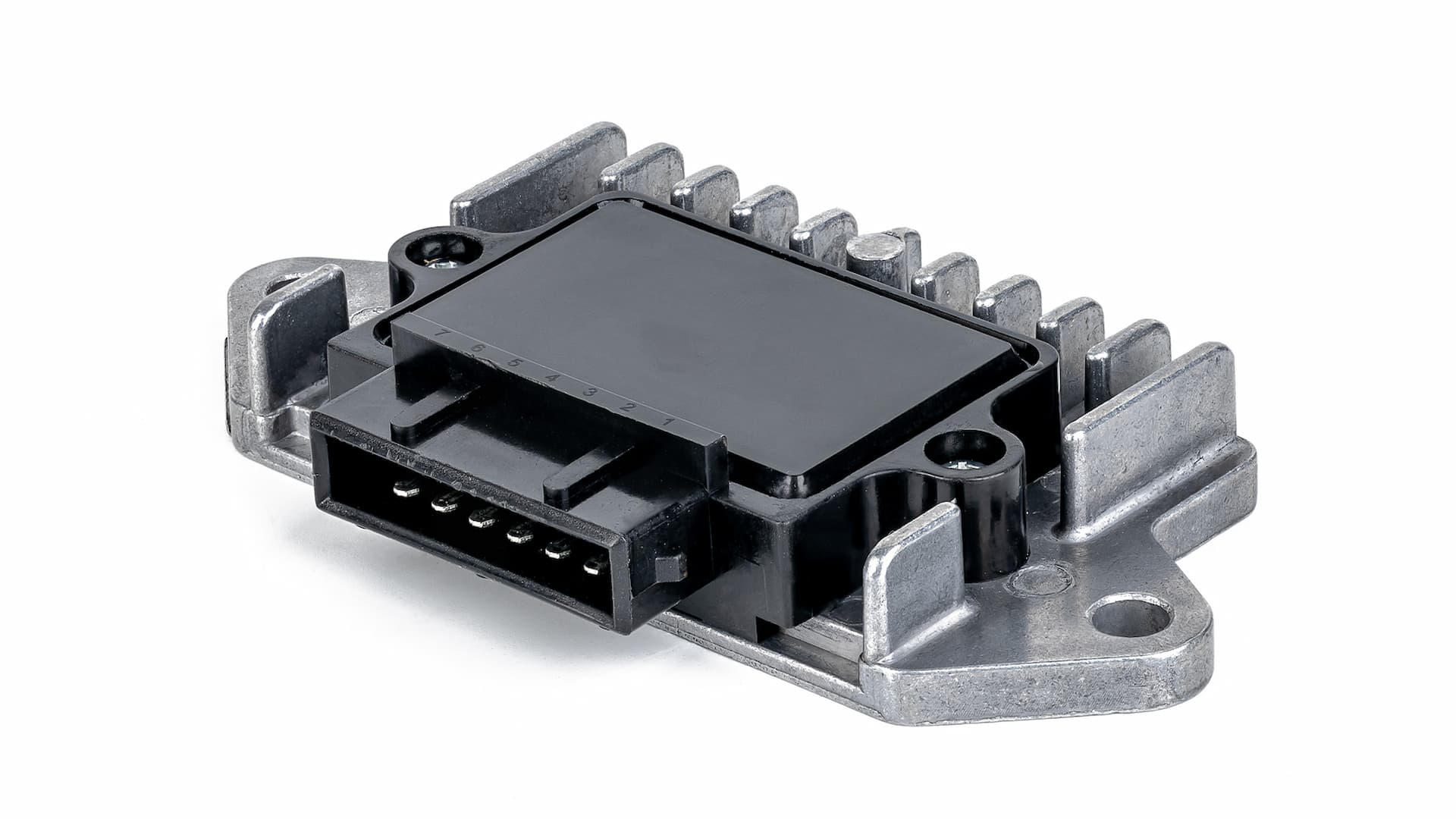

A furnace that won’t start can be stressful—especially on a cold day. Many homeowners ask: Can ignition control module repair solve common furnace startup problems?
The answer is often yes. The ignition control module plays a key role in starting your furnace system. When it fails, your heating system may not turn on at all.
What Is an Ignition Control Module?
What does the ignition control module do
The ignition control module is like the brain of your furnace startup process. It controls when and how the furnace ignites.
It sends signals to:
- Start the ignition sequence
- Open the gas valve
- Light the burner safely
Without it, your furnace cannot produce heat.
Why it is important for furnace startup
When you turn on your thermostat, the ignition control module begins the heating cycle.
If this part fails, you may notice:
- Furnace not turning on
- No heat coming from vents
- Clicking sounds without ignition
This makes it one of the most important parts of your heating system.
Common Furnace Startup Problems
Furnace not turning on
One of the most common issues is a furnace that won’t start.
This can happen due to:
- Faulty ignition control module
- Power supply issues
- Thermostat problems
Furnace blowing cold air
Sometimes the furnace turns on but blows cold air. This may mean the ignition failed.
In this case, the ignition control module may not be working properly.
Furnace short cycling
Short cycling happens when the furnace turns on and off quickly.
This can be caused by:
- Furnace limit switch issues
- Overheating problems
- Faulty ignition signals
How Ignition Control Module Repair Helps
Fixing startup failures
Repairing the ignition control module can restore proper startup.
It helps the furnace:
- Ignite correctly
- Run smoothly
- Deliver consistent heat
Improving system safety
The ignition control module also ensures safe operation.
A faulty module can lead to unsafe conditions, such as gas buildup. Repairing it helps protect your home.
Restoring heating performance
Once repaired, your furnace system can work efficiently again.
You’ll notice:
- Faster startup
- Better heat output
- Fewer interruptions
Other Components That Affect Furnace Startup
Furnace blower motor troubleshooting
The furnace blower motor moves warm air through your home.
If it fails, you may have:
- Weak airflow
- No air coming from vents
- Overheating issues
Proper furnace blower motor troubleshooting helps keep airflow steady.
Furnace heat exchanger problems
The heat exchanger warms the air before it enters your home.
If damaged, it can cause:
- Poor heating performance
- Safety risks
- System shutdowns
Fixing furnace heat exchanger problems is critical for safe operation.
Furnace limit switch issues
The limit switch controls furnace temperature.
If it fails, it may:
- Shut the furnace off too soon
- Cause overheating
- Trigger short cycling
Addressing furnace limit switch issues helps stabilize the system.
Signs You Need Ignition Control Module Repair
Delayed ignition or no ignition
If your furnace takes too long to start or doesn’t start at all, the ignition control module may be faulty.
Strange noises during startup
Clicking or repeated attempts to start can signal ignition problems.
Frequent system shutdowns
If your furnace shuts down often, it may be due to faulty ignition signals or safety controls.
Can You Repair It Yourself?
Basic troubleshooting steps
Homeowners can try simple checks like:
- Resetting the thermostat
- Checking power supply
- Inspecting air filters
These steps may solve minor issues.
When to avoid DIY repairs
The ignition control module involves electrical and gas components.
Trying to repair it without proper knowledge can be dangerous.
Importance of professional help
Professional furnace repair services ensure safe and correct repairs.
Experts can:
- Diagnose the issue
- Replace faulty parts
- Test the system
Benefits of Professional Furnace Troubleshooting and Repair
Accurate problem diagnosis
Experts use tools and experience to find the exact issue.
This avoids guesswork and saves time.
Safe and reliable repairs
Handling gas and electrical systems requires skill.
Professional repairs reduce risks and ensure safety.
Long-term system performance
Regular furnace troubleshooting and repair helps:
- Extend system life
- Improve efficiency
- Reduce future breakdowns
Preventing Furnace Startup Problems
Regular maintenance
Routine maintenance keeps your system in good shape.
This includes:
- Cleaning components
- Checking connections
- Inspecting safety controls
Replacing worn-out parts
Parts like the ignition control module, blower motor, and limit switch wear out over time.
Replacing them early prevents major issues.
Keeping airflow clear
Clean filters and ducts improve airflow and reduce strain on your system.
Is Ignition Control Module Repair Enough?
When it solves the problem
If the issue is directly related to ignition failure, repairing the ignition control module can fully fix the problem.
When other repairs are needed
Sometimes, startup issues involve multiple parts.
You may also need:
- Furnace blower motor troubleshooting
- Fixing heat exchanger problems
- Addressing limit switch issues
A full system check is often the best approach.
Conclusion
So, can ignition control module repair solve common furnace startup problems? In many cases, yes. This small but important part plays a big role in starting your furnace system and keeping your home warm.
However, it’s not the only factor. Other components like the furnace blower motor, heat exchanger, and limit switch also affect performance. That’s why a complete approach to furnace troubleshooting and repair is important.
By understanding how your system works and getting timely repairs, you can keep your heating system running safely and efficiently. A well-maintained furnace not only improves comfort but also helps you avoid costly breakdowns in the future.
