
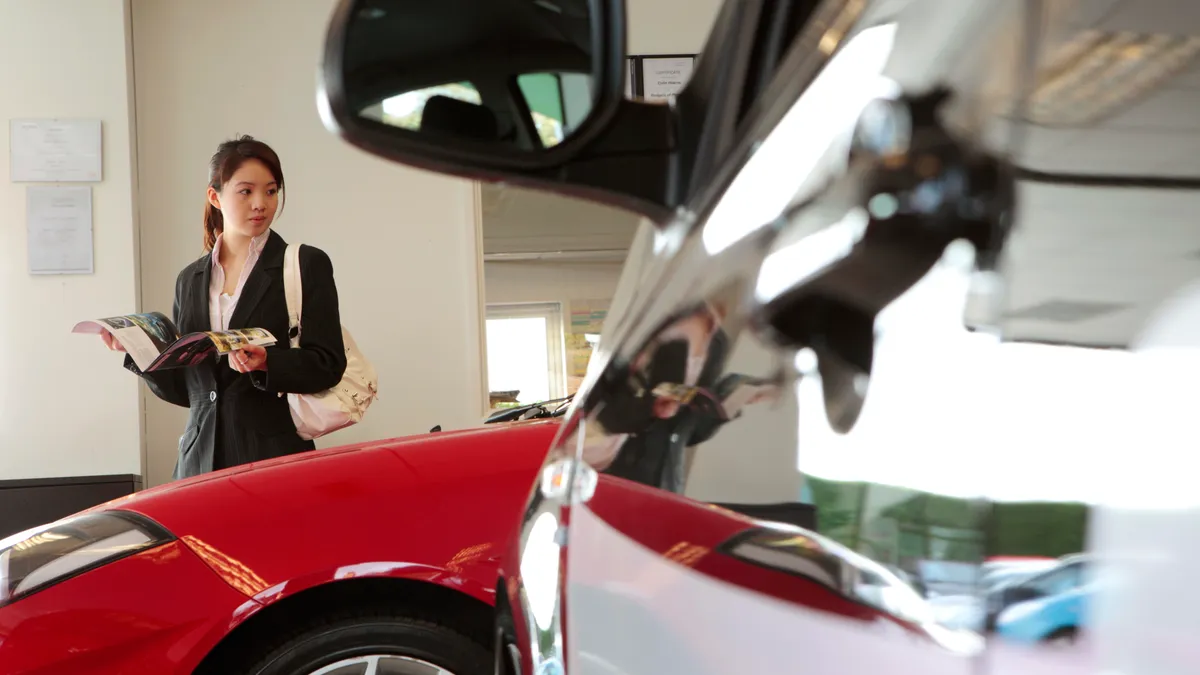

For many drivers, owning a luxury car is more than just transportation—it’s about comfort, performance, status, and the overall driving experience. Whether it’s a sleek sedan, a high-end SUV, or a performance vehicle, luxury cars offer features that elevate every journey.
But when it comes to getting behind the wheel, one major question always comes up: should you lease or buy?
At first glance, buying might seem like the smarter financial move. Ownership, long-term value, and no monthly restrictions all sound appealing. However, when you take a closer look—especially in today’s market—leasing often comes out ahead.
Let’s break down why leasing is the surprising winner.
The True Cost of Buying a Luxury Car
Luxury vehicles come with premium price tags.
Buying one requires a significant upfront investment, whether through a large down payment or high monthly financing costs. Even after the purchase, expenses continue to add up. Insurance, maintenance, repairs, and depreciation all contribute to the total cost of ownership.
Depreciation, in particular, is one of the biggest drawbacks.
Luxury cars tend to lose value quickly, especially in the first few years. By the time you decide to sell or trade in the vehicle, its resale value may be far lower than expected.
This means that while you technically “own” the car, you’re also absorbing a large portion of its financial decline.
Leasing Offers Lower Monthly Payments
One of the most immediate advantages of leasing is affordability.
When you lease, you’re not paying for the full value of the car. Instead, you’re covering the portion of the vehicle’s value used during the lease term. This results in significantly lower monthly payments compared to financing a purchase.
For many drivers, this makes it possible to drive a higher-end vehicle than they could afford to buy outright.
With luxury car lease deals, you can access premium brands and features while keeping your monthly budget under control.
Avoiding the Depreciation Problem
Depreciation is unavoidable when you own a car—but leasing eliminates that burden.
When your lease ends, you simply return the vehicle. You’re not responsible for selling it, trading it in, or worrying about how much value it has lost.
This shifts the financial risk away from you and onto the leasing structure.
For luxury vehicles, which depreciate faster than standard cars, this is a major advantage.
Always Driving the Latest Models
Technology and design in luxury cars evolve quickly.
New models often come with upgraded safety features, improved performance, and advanced technology. When you buy a car, you’re committing to that model for years.
Leasing, on the other hand, allows you to upgrade regularly.
Every few years, you can switch to a newer model with the latest innovations. This keeps your driving experience fresh and ensures you’re always benefiting from modern advancements.
For drivers who value staying current, this is a huge benefit.
Lower Maintenance and Repair Costs
Luxury cars can be expensive to maintain, especially as they age.
Repairs, parts, and specialized servicing can quickly become costly once the warranty expires.
Leasing helps reduce this concern.
Most lease terms align with the manufacturer’s warranty period, meaning major repairs are often covered. This minimizes unexpected expenses and provides peace of mind.
Instead of worrying about long-term wear and tear, you’re driving a relatively new vehicle that requires less maintenance.
Flexibility and Convenience
Life changes, and so do your needs.
Buying a car locks you into a long-term commitment. If your situation changes—whether it’s your budget, lifestyle, or preferences—you may have to go through the process of selling or trading in the vehicle.
Leasing offers more flexibility.
At the end of the lease term, you have options. You can lease a new vehicle, choose a different model, or explore other alternatives. This adaptability makes leasing a more convenient choice for many drivers.
Access to Premium Features
Luxury vehicles are known for their advanced features.
From high-end interiors and cutting-edge infotainment systems to enhanced safety technologies and performance capabilities, these features come at a cost.
Leasing makes them more accessible.
Because of lower monthly payments, you can often afford a higher trim level or additional options that might be out of reach when buying.
This allows you to enjoy a premium experience without stretching your budget.
When Buying Might Make Sense
While leasing has clear advantages, there are situations where buying may still be the better option.
If you plan to keep a vehicle for many years, prefer unlimited mileage, or want to build equity, ownership can be appealing. Buying may also be more suitable for those who prefer long-term stability over frequent upgrades.
However, for luxury vehicles specifically, these benefits are often outweighed by the costs associated with depreciation and maintenance.
Why Leasing Comes Out on Top
When you compare the two options side by side, leasing offers a combination of affordability, flexibility, and reduced risk.
You avoid the steep depreciation curve, enjoy lower monthly payments, and gain access to newer models with advanced features. Maintenance costs are lower, and you’re not tied to a long-term commitment.
For most drivers looking to experience luxury without the financial burden of ownership, leasing provides a smarter path.
Final Thoughts
Choosing between leasing and buying ultimately depends on your priorities.
But when it comes to luxury vehicles, the advantages of leasing are hard to ignore. It offers a practical way to enjoy high-end driving without the downsides of ownership.
If your goal is to maximize value, minimize risk, and maintain flexibility, leasing stands out as the clear winner.
In today’s market, it’s not just about owning a luxury car—it’s about experiencing one in the smartest way possible.
