
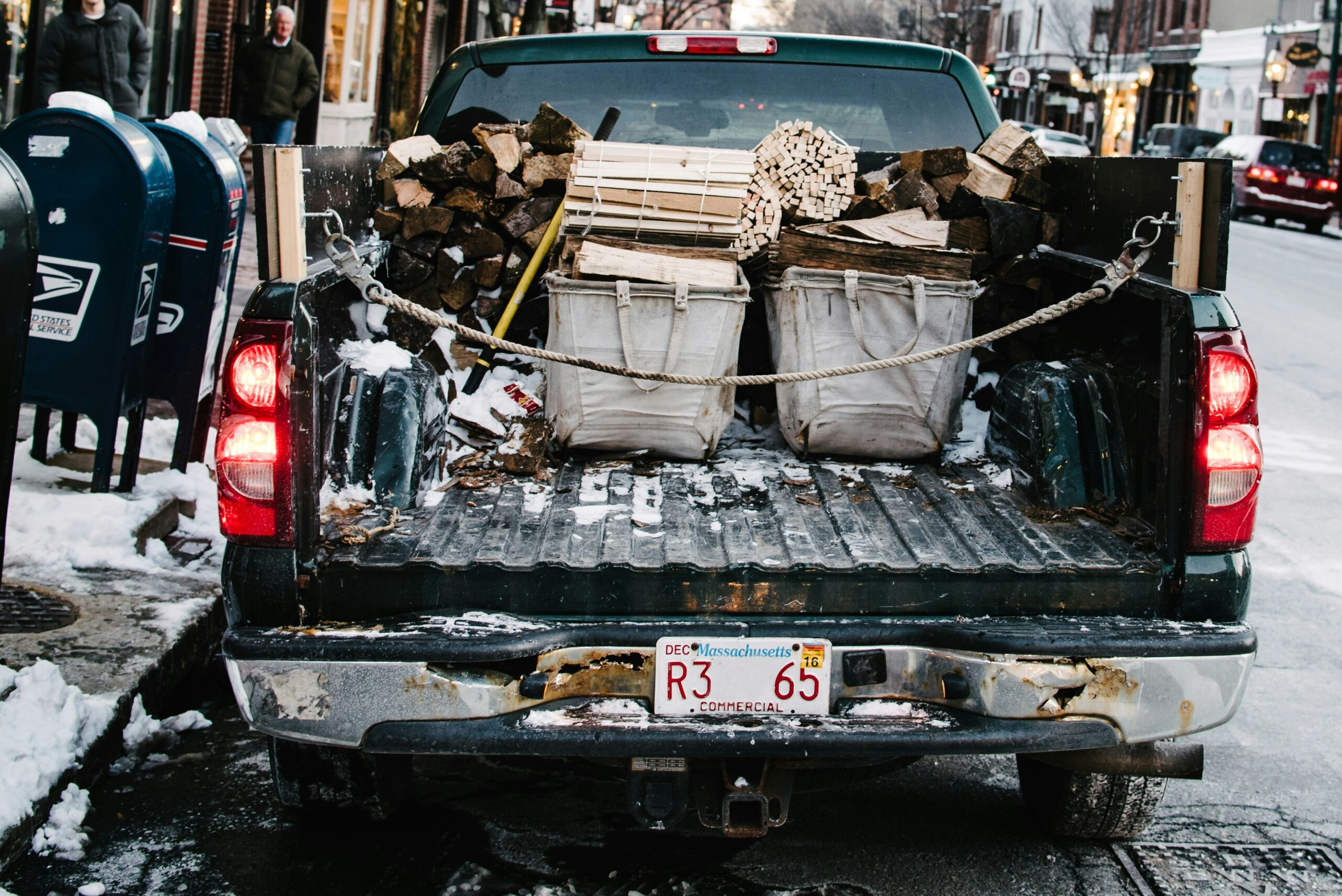

Running a small business often means your vehicle isn’t just a vehicle anymore. It’s a mobile office, a storage unit, and sometimes the only thing standing between a finished job and a missed deadline.
Yet a surprising number of business owners treat their work vehicle as an afterthought, upgrading everything else in the operation before ever considering whether their truck is actually set up to support the work.
The Hidden Cost of an Unoptimized Work Truck
Every minute spent searching for tools, re-securing loose cargo, or dealing with weather-damaged equipment is a minute not spent generating revenue. Multiply that across a busy season, and an inefficient truck setup starts costing real money, even though it never shows up as a line item on a budget.
Business owners who’ve caught onto this tend to treat truck upgrades the same way they treat any other operational investment: something evaluated on return, not just upfront cost.
Securing Cargo the Right Way
For businesses that haul equipment or inventory regularly, cargo security is one of the highest-leverage upgrades available. Exposed tools invite theft. Unsecured loads shift during transport and risk both damage and safety issues.
A proper tonneau cover solves both problems at once, keeping cargo hidden from view and protected from weather. Business owners evaluating this upgrade often compare durable, work-ready options like those from BAK, since a cover built for daily commercial use holds up to far more wear than one designed for occasional personal use.
The payoff shows up quickly: fewer replaced tools, fewer weather-damaged materials, and a noticeably more professional appearance on job sites and client visits alike.
Gear That Works as Hard as You Do
Cargo protection solves half the equation. The other half is making sure the gear and equipment you’re hauling is actually built for the demands of daily commercial use, not just weekend hobby use.
This matters more than people expect. Consumer-grade equipment that’s fine for occasional use often fails faster under the daily wear of a working business. Owners restocking work gear often turn to rugged, purpose-built options from Gander Mountain, since equipment designed to handle repeated outdoor use tends to hold up far longer under commercial conditions than gear meant for occasional recreational trips.
Building a Replacement Schedule Instead of Reacting to Failures
A smarter approach than replacing gear only when it breaks is building a proactive replacement schedule based on actual usage patterns. Heavily used equipment gets inspected and rotated out on a set timeline, before failure creates a disruption mid-job.
This shift, from reactive to proactive, tends to save money over time by avoiding emergency replacements at the worst possible moment.
Calculating the Real ROI of Vehicle Upgrades
It’s worth running the numbers on any truck upgrade the same way you’d evaluate any other business expense. Factor in time saved, damage prevented, and the professional impression made on clients who see a well-organized, well-equipped vehicle.
Most owners find that upgrades paying for themselves within a single busy season, once you account for reduced replacement costs and time saved on the job, aren’t hard to find. The math tends to favor investment more often than instinct suggests.
Professionalism Is in the Details
Clients notice more than business owners often assume. A disorganized, damaged-looking work vehicle sends a subtle signal about how the rest of the operation is run, fairly or not.
A clean, well-equipped truck does the opposite. It signals competence before a single word is exchanged, which matters more in competitive local markets where trust is built on first impressions as much as track record.
Making Upgrades Without Overspending
None of this requires overhauling an entire fleet at once. Start with whatever’s causing the most operational friction right now, likely cargo security if theft or weather damage has been an issue, or gear reliability if replacements have been happening too often.
Prioritize based on actual pain points rather than trying to fix everything simultaneously. A phased approach spreads the cost while still addressing the most pressing issues first.
Involving Your Team in the Decision
If you’re not the only one using the work vehicle regularly, involve whoever else does in the upgrade decisions. The people actually loading, hauling, and using the equipment daily often have the clearest sense of what’s actually causing friction.
Their input tends to surface practical issues that wouldn’t be obvious from an owner’s perspective alone, and it also builds buy-in for taking care of the new equipment once it’s in place.
Financing Upgrades Without Straining Cash Flow
For businesses tracking every dollar closely, spreading equipment upgrades across a few months rather than buying everything at once helps protect cash flow while still moving toward a fully optimized setup. Prioritized, staged upgrades tend to be easier to justify and easier to budget for than one large expense.
Some owners also find it useful to tie upgrade timing to seasonal revenue patterns, making bigger investments during stronger months and holding off during slower ones. This keeps the operational improvements coming without creating unnecessary financial pressure during leaner stretches.
A Quick Audit Checklist
Before making any purchase, walk through a short checklist: what’s the current pain point, what’s the realistic time or cost savings, and how quickly would the upgrade pay for itself given typical usage. If an upgrade clears all three questions convincingly, it’s usually worth moving forward on.
This simple filter keeps upgrade decisions grounded in actual business need rather than impulse or generic advice about what a “professional” setup should look like.
The Bottom Line for Small Business Owners
A work truck that’s properly equipped isn’t a luxury purchase. It’s operational infrastructure, the same category as software subscriptions or office equipment, just less commonly treated that way.
Evaluate your setup honestly, prioritize the upgrades causing the most friction, and treat the investment with the same scrutiny you’d apply to any other business decision. The return usually shows up faster than expected, in saved time, protected inventory, and a more professional presence on every job.
