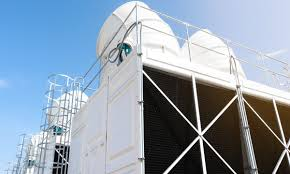

Effective cooling tower maintenance in hot and humid climates requires a systematic approach to inspection, cleaning, and repair to ensure peak efficiency. In Singapore and similar tropical climates, cooling towers rarely fail in January; they fail in the third week of June, when ambient temperatures are already high, humidity hasn’t dropped below 80% in weeks, and the system has been running at full capacity since early summer.
By that point, the opportunity for preventive action has already passed. These environments accelerate evaporation, intensify scaling, and create ideal conditions for rapid microbial growth. Without a structured seasonal strategy, even well-designed systems experience performance loss, rising energy costs, and unexpected downtime. This guide provides a practical, step-by-step maintenance checklist to help facility managers stay ahead of failures and maintain consistent cooling performance year-round.
Table of Contents
- Introduction
- Why Cooling Tower Maintenance Is Critical in Hot & Humid Climates
2.1 High Humidity = Faster Biofilm & Bacteria Growth
2.2 Heat Increases Evaporation & Water Loss
2.3 Corrosion & Scaling Accelerate - Cooling Tower Maintenance Checklist by Season (Step-by-Step)
3.1 Pre-Summer Preparation Checklist (Critical Phase)
3.2 Peak Summer Maintenance Checklist (High Load Operation)
3.3 Monsoon / High Humidity Maintenance Checklist
3.4 Seasonal Shutdown / Low Usage Checklist - Component-Wise Cooling Tower Maintenance Checklist
4.1 Water System Maintenance
4.2 Mechanical System Maintenance
4.3 Airflow System Maintenance
4.4 Heat Transfer Components (Fill Media) - Maintenance Priorities in Hot vs Normal Climates
- Top 7 Warning Signs Your Cooling Tower Needs Immediate Maintenance
- Final Thoughts
- Frequently Asked Questions (FAQs)

Why Cooling Tower Maintenance Is Critical in Hot & Humid Climates
High Humidity = Faster Biofilm & Bacteria Growth
Moisture creates the ideal environment for microbial proliferation. High humidity levels combined with warm water temperatures accelerate the growth of hazardous bacteria. This rapid multiplication significantly increases the risk of Legionella outbreaks and creates insulating slime layers that block heat transfer.
Heat Increases Evaporation & Water Loss
Extreme heat forces cooling systems to work much harder to achieve target temperatures. This increased workload leads to a substantially higher evaporation rate. Consequently, you face higher operational costs from continuous water replacement and elevated energy consumption.
Corrosion & Scaling Accelerate
Water evaporation leaves behind concentrated minerals and dissolved solids. This chemical imbalance causes rapid scale buildup and faster metal degradation throughout the system. Unchecked scaling damages pipes and severely restricts water flow.
Most towers don’t fail because of their design; they fail because of neglected cooling tower repair and maintenance.
Cooling Tower Maintenance Checklist by Season (Step-by-Step)
Pre-Summer Preparation Checklist (Critical Phase)
Preparing your system before the intense heat arrives is non-negotiable. Proper preparation directly impacts system reliability during peak demand. You must execute these steps thoroughly to avoid catastrophic failures.
- Inspect fill media for scaling and clogging
- Clean the basin and remove the sludge
- Test water chemistry to verify pH and conductivity
- Check the drift eliminators’ alignment
- Inspect fan blades and perform fan balancing
- Lubricate bearings and gearbox
Peak Summer Maintenance Checklist (High Load Operation)
Summer heat forces your cooling equipment to operate at maximum capacity. Constant vigilance is required to identify small issues before they become expensive breakdowns. Implement these daily and weekly checks to sustain performance.
- Monitor the evaporation rate daily
- Increase blowdown cycles to manage mineral concentration
- Check water level and float valve functionality
- Inspect spray nozzles for clogging and uneven distribution
- Track energy consumption spikes
- Monitor vibration in motors and fans
Performance drops fastest during this high-load operation phase.
Monsoon / High Humidity Maintenance Checklist
Monsoon seasons introduce extreme moisture and airborne contaminants. This combination creates the ultimate breeding ground for biological fouling. You must adapt your chemical treatments to combat these aggressive environmental changes.
- Implement an aggressive biofilm control program.
- Increase biocide dosing frequency
- Inspect drift eliminators for microbial buildup
- Check air intake louvers for blockage and debris
- Monitor bacterial growth levels closely
- Clean slime from the basin and piping surfaces
High humidity is the hidden performance killer of cooling systems.
Seasonal Shutdown / Low Usage Checklist
Properly securing your equipment during off-peak months protects your capital investment. Leaving a system idle without proper preservation leads to severe rust and biological decay. Follow these steps to ensure a safe and effective seasonal shutdown.
- Drain the basin completely to remove stagnant water
- Dry internal components thoroughly
- Apply corrosion prevention treatments to exposed metals
- Inspect structural supports for cracks and wear
- Disconnect power systems securely
- Cover the tower to prevent debris contamination
Component-Wise Cooling Tower Maintenance Checklist

Water System Maintenance
Water quality dictates the overall health of your cooling infrastructure. Imbalanced water chemistry destroys metal components and blocks heat exchange surfaces. Focus on these critical metrics to maintain optimal fluid conditions.
- Monitor pH levels to maintain the ideal range of 7 to 8.5
- Control blowdown cycles accurately
- Prevent scale formation with chemical inhibitors
- Maintain proper and consistent chemical dosing
Mechanical System Maintenance
Moving parts endure constant friction and stress during operation. Neglecting these components results in catastrophic mechanical failures and unplanned downtime. Keep your motors and fans in peak condition with these actions.
- Check fan alignment and perform precise fan balancing
- Inspect the gearbox for excessive wear and oil leaks
- Lubricate bearings with high-quality industrial grease
- Monitor vibration levels to detect imbalances early
Airflow System Maintenance
Efficient cooling relies entirely on unrestricted airflow through the tower. Blockages force the fans to consume more electricity to achieve the same cooling effect. Ensure maximum airflow efficiency with these targeted tasks.
- Clean the drift eliminators thoroughly
- Check air louvers for physical damage and blockages
- Ensure unobstructed airflow around the entire unit
Heat Transfer Components (Fill Media)
The fill media provides the surface area required for effective heat exchange. Fouled fill media drastically reduces the cooling capacity of the entire unit. Protect this vital component by performing these specific inspections.
- Inspect surfaces for severe clogging and scaling
- Clean biofilm deposits from the media sheets
- Replace damaged or brittle fill sheets immediately
Maintenance Priorities in Hot vs Normal Climates
| Maintenance Area | Normal Climate | Hot & Humid Climate |
| Water Treatment | Weekly | Daily monitoring |
| Biofilm Control | Moderate | Aggressive |
| Drift Eliminators | Monthly check | Weekly cleaning |
| Evaporation Monitoring | Standard | Critical |
| Corrosion Risk | Medium | High |
| Blowdown Cycles | Standard | Increased |
| Inspection Frequency | Monthly | Weekly |
| Failure Risk | Moderate | High |
Top 7 Warning Signs Your Cooling Tower Needs Immediate Maintenance

Recognizing early warning signs prevents minor issues from becoming major emergencies. Ignored symptoms lead to expensive part replacements and lengthy facility outages. Watch for these seven critical indicators.
- Sudden water loss in the basin
- Increased vibration from mechanical components
- Visible algae or slime on internal surfaces
- Reduced cooling efficiency and higher supply temperatures
- Unusual noise coming from the fan or motor
- Severe scaling on the fill media
- Rising energy consumption without operational changes
Final Thoughts
Effective cooling tower maintenance is not a one-time task but a continuous process that becomes even more critical in hot and humid climates. Systems operating under extreme heat and moisture face constant threats from biofilm formation, scaling, and corrosion, all of which can rapidly reduce efficiency and increase operational costs. A well-structured seasonal maintenance plan ensures that each component, from water chemistry to airflow systems, performs optimally under pressure.
By following a proactive checklist and addressing early warning signs, facility managers can prevent costly breakdowns and extend equipment lifespan. Consistency is the key to long-term reliability. When maintenance is treated as a strategic priority rather than a reactive fix, cooling towers operate more efficiently, consume less energy, and deliver stable performance even during peak demand periods.
Frequently Asked Questions
How often should cooling tower maintenance be done in humid climates?
Cooling tower maintenance requires much more frequent attention in hot and humid environments. Facility managers must implement weekly inspections and daily water monitoring. The extreme weather conditions accelerate biological fouling and chemical imbalances drastically.
Why does biofilm grow faster in cooling towers?
The constant combination of excessive moisture and high heat provides the perfect breeding ground. This environment allows bacteria and algae to multiply rapidly and form thick slime layers.
What causes excessive water loss in cooling towers?
Water escapes the system primarily through natural evaporation. Uncontrolled drift and hidden physical leaks in the basin or piping also contribute to massive water loss.
How do drift eliminators improve efficiency?
These components capture water droplets escaping in the exhaust air. This mechanism significantly reduces water loss and prevents chemical contamination of the surrounding environment.
What is the biggest maintenance mistake?
Ignoring daily water chemistry is the most destructive error. Poor water quality destroys metal surfaces, blocks fill media, and ruins the entire cooling process.
