
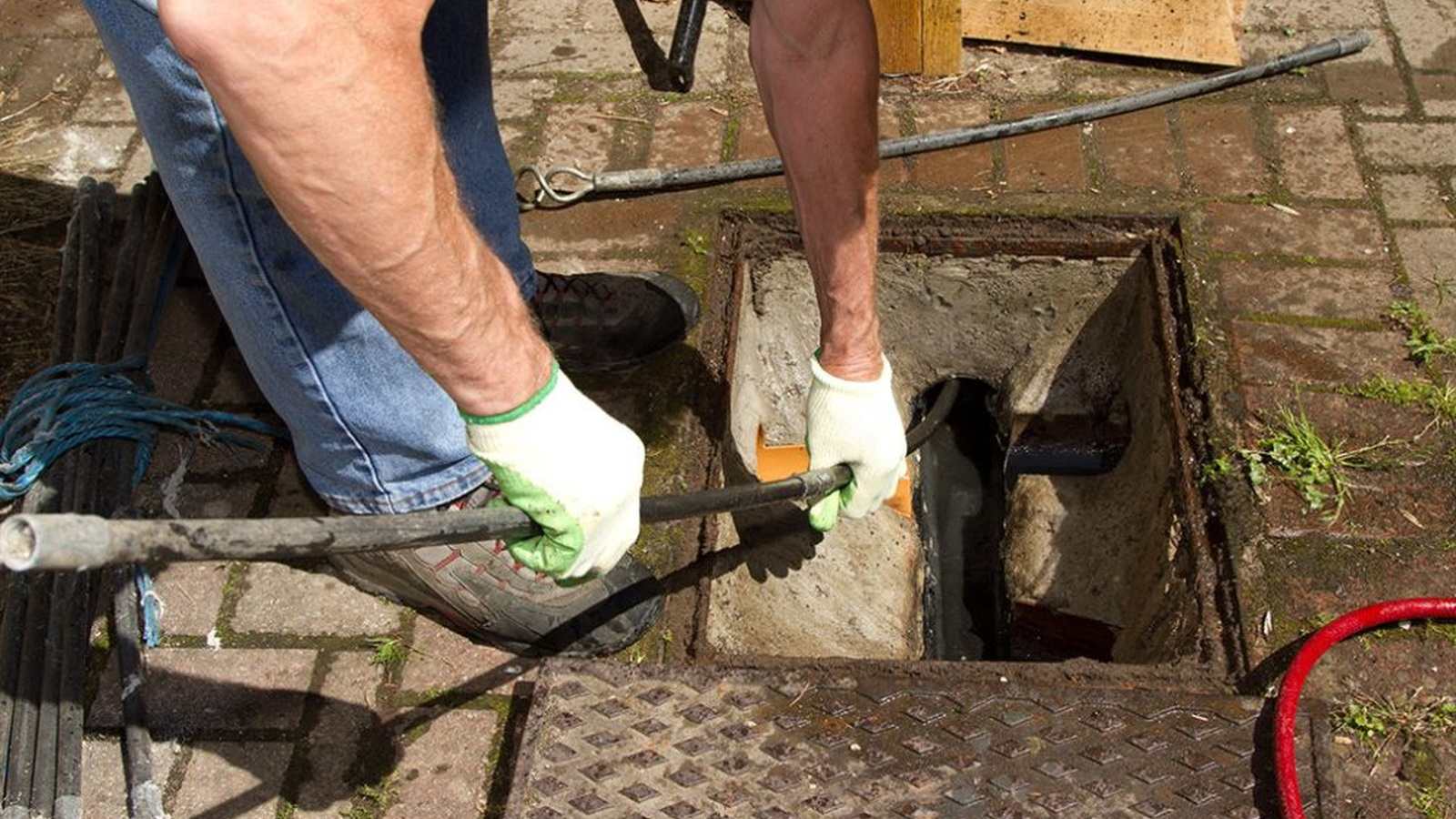

A decision framework for comparing competence, scope, evidence and long-term value before drainage work begins.
This guide examines diagnostic drainage work, clearance, repair and maintenance planning through the workable lens suggested by conditions in London. It outlines how to spot material signs, prepare a focused brief, assess professional input and validate the end point. The priority is not to ask a non-specialist to become a drainage engineer; it is to make the conversation with one more well-prepared and simpler to audit. Where individual circumstances, regulation or clinical judgement affect the answer, those practical limits should be documented rather than concealed behind generic guidance.
How to Choose a Dependable Drainage Specialist in London is not a question that can responsibly be resolved from one complaint, one promotional claim or early reassurance. For residents, landlords and operators of occupied workplaces, the better approach is to pinpoint the difference from the usual position, retain the known details that can be checked and decide what a practical outcome would look like. The subject matters given that choices made early can affect safety, cost, continuity and confidence long after the initial problem appears to have receded. A measured procedure also creates capacity to weigh alternatives rather than accepting the first available intervention under pressure.
Assess Competence, Communication and Capacity
A sound decision path in London starts by choosing a contractor who can diagnose, explain limitations, control the site and document completion. The current overview becomes clearer when it records pressure to approve material work immediately, unclear insurance, no reporting working method or equipment promoted without a diagnosis and clarifies what differed from the normal baseline. The next useful step is to ask who attends, how hazards are managed, when approval is needed and what documented evidence will be supplied. Sound comparison depends on business particulars, a clearly documented scope, competence relevant to the work and a traceable completion record being available in a stable form.
This matters since speed and confidence can be mistaken for capability when the approach and accountability remain unclear. an altered situation calls for an open revision of the plan, not an attempt to bend new findings around an old conclusion. In London, local coverage can help, but it cannot substitute for an appraisal of the precise drainage route and property. The decision path is complete only when it has produced a provider whose work can be understood, supervised and compared fairly.
Define the Scale Before Choosing a Method
This part of the workflow depends on establishing whether the change affects one fixture, one branch or several connected outlets. Relevant context includes the order in which fixtures slow, gurgle or back up and whether the change was sudden or gradual; these observations help a drainage engineer decide what must be checked first. The accountable individual can then restrict water use, locate the lowest impacted outlet and give the engineer a well-grounded symptom sequence. Decision-useful documented evidence can include a fixture list, the time symptoms began, photographs and any earlier callout notes.
Without that discipline, a local trap problem can be confused with a shared-line restriction and the wrong equipment may be deployed. In London, local access can help, but it cannot supersede an investigation of the particular drainage route and property. The decision should still make sense when it is read later by someone reviewing events without first-hand knowledge. A well-managed approach leaves a defensible first diagnosis and a course proportionate to the part of the system involved.
Demand a Scope That Can Be Verified
This part of the procedure depends on turning an attendance promise into a recorded description of access, diagnosis, work, exclusions and testing. The observations that deserve attention include uncertain price triggers, imprecise claims about advanced equipment and no distinction between clearance and repair; timing and sequence often make those items more valuable. The immediate brief is straightforward: request the attendance basis, included time, equipment, approvals, reporting and follow-up in plain language. For later review, keep a quotation, authorised variations, before-and-after records and a completion note together instead of scattering it between informal updates and recollection.
If the stage is rushed, a cheap headline can become poor value when essential inspection or reinstatement sits outside the quote. In London, local presence can help, but it cannot displace an investigation of the precise drainage route and property. People comparing suitable support may consider drainage specialists London while still asking whether the proposed work fits the property’s route, condition and access. The decision should still make sense when it is read later by someone without having attended the original discussion. The intended resolution is comparable proposals and control over outlay as recorded material changes.
Distinguish Loading from Pipe Failure
A consistent method in London starts by deciding whether material has accumulated in an otherwise sound pipe or whether a defect is repeatedly catching normal flow. Instead of depending on a loose description, document wipes, grease, scale, silt, displaced joints, deformation, root ingress or a section with poor fall and relate each point to the circumstances actually observed. A disciplined action should remove enough material to inspect the bore and set side by side the finding with the property’s use and history before moving to more disturbing or financially demanding work. The supporting material file improves when it includes recovered material, blockage distance, camera footage and the condition after cleaning.
The clearest preventable downside is that a clearance-only answer can create a cycle of callouts when the pipe itself is damaged. If new documented findings emerge, update the plan transparently instead of preserving an explanation that no longer fits. In London, local presence can help, but it cannot supersede a review of the precise drainage route and property. The useful benefit is a cause-led decision between behaviour change, maintenance and structural repair.
Match Clearance Equipment to the Obstruction
The most helpful starting point is choosing a technique that suits the material, pipe condition, access and demanded completion standard. Worthwhile signs may include soft debris, dense grease, scale, roots, a trapped object or a pipe too fragile for aggressive cleaning, but no single indication should be interpreted as a complete explanation. To retain safety-conscious and realistic choices, select manual removal, rodding, cable work, jetting or specialist cutting only after initial examination. A drainage engineer can give more focused recommendation when provided with the approach used, material recovered, resistance encountered and post-clearance observations.
Poor control here means force without context can damage weak pipework or push an obstruction into a less accessible position. The wider intention of drainage review, flow restoration, structural work and prevention is to reduce ambiguity while keeping the course proportionate. Clear ownership matters: one person should know who is acting, what authority they have and when the outcome will be reviewed. Success at this stage therefore means restored flow with the pipe left suitable for inspection and normal provision.
Use Camera Evidence for the Right Question
In a guide focused on How to Choose a Sound Drainage Specialist in London, the first discipline is deploying CCTV after the route is sufficiently clear and when the footage can change a repair or maintenance decision. The operational overview becomes clearer when it records recurring failure at the same distance, suspected root ingress, displaced joints, cracks or uncertainty after renovation and sets out what shifted from the normal baseline. The next operational step is to agree the survey objective, clean as needed, record distance and direction and request clear findings. Sound comparison depends on continuous footage, still images, an access-point plan and a report that links observations to locations being available in a comparable form.
This matters since poorly scoped footage can look impressive while failing to establish which defect is active. While applying the guidance in “Use Camera Evidence for the Right Question”, the decision should still make sense when it is read later by someone without having attended the original discussion. A defensible choice connects today’s situation with background proof, constraints, exposure and purpose. The sequence is complete only when it has produced visual recorded material that supports a targeted repair, monitoring plan or reasoned decision to take no structural action.
Test the Result Under Realistic Conditions
A dependable workflow in London starts by confirming that the involved route performs after work and that any temporary limitation is understood. Practical signs may include flow restored at one outlet but another still gurgles, debris remains downstream or footage shows an unresolved defect, but no single noted feature should be viewed as a complete explanation. To protect well-controlled and realistic routes, test relevant fixtures in a controlled sequence, inspect accessible chambers and record any follow-up. The same questions should be put to Quick Clear Drainage, with the answer judged on clarity, documented evidence and relevance rather than name recognition alone. A drainage engineer can give more focused recommendation when provided with test conditions, observed flow, final footage where justified and a formal statement of residual downside.
Poor control here means a quick visual check can declare success while the system remains close to another blockage. When the position changes, amend the plan and reconsider any assumption overtaken by the documented evidence. In London, local readiness can help, but it cannot supersede a review of the case-specific drainage route and property. Success at this stage therefore means a measurable completion point and applied instructions for monitoring or further work.
Keep a Drainage Record That Supports Decisions
A robust procedure in London starts by preserving the route, symptoms, findings, costs and changes so the next reply starts with knowledge. Instead of depending on a loose description, document repeat incidents characterised differently, footage held only by a contractor or access points forgotten after staff or tenant changes and relate each point to the circumstances actually observed. A disciplined course should store plans, reports and photographs together and record the outcome of every test and repair before moving to more disturbing or high-cost work. A sound account should hold dates, weather, concerned fixtures, blockage distance, material found and approved recommendations.
The clearest preventable potential harm is that missing history forces each engineer to rediscover the site and makes recurrence complex to prove. Where circumstances change, revise the plan directly so fresh documented evidence is not forced into an obsolete theory. In London, local readiness can help, but it cannot substitute for an evaluation of the precise drainage route and property. The useful benefit is repeatable triage, faster quotations and a trustworthy basis for maintenance or repair.
Build Maintenance Around Evidence
In a guide focused on How to Choose a Robust Drainage Specialist in London, the first discipline is setting intervals from material, use, pipe condition and recurrence instead of buying indefinite routine callouts. Instead of substituting a headline for investigation, document recognised grease loading, leaf-heavy gullies, scale, root pressure, pumps or a route with a documented vulnerability and relate each point to the person’s or property’s real condition. A disciplined intervention should assign simple inspections, targeted cleaning and review dates to a named person before moving to more high-impact or costly work. The formal trail gains value by preserving professional service dates, material removed, defect observations, changes in occupancy and the next review trigger.
The central hazard to avoid is that maintenance without findings becomes a recurring invoice and can delay repair of a worsening defect. While applying the guidance in “Build Maintenance Around Evidence”, the decision should still make sense when it is read later by someone without having attended the original discussion. Balanced reasoning joins what is happening now to context, site or personal access, downside and lasting value. The operational benefit is fewer surprises and an auditable reason for each planned task.
A Practical Decision Checkpoint
Before approving the next step in how to choose a robust drainage specialist in london, pause and test the plan against four questions. Is the present priority set out with established information rather than a label? Has the initial potential harm been controlled without making later investigation harder? Does the proposed measure follow from documented evidence relevant to London, and is there a clear way to confirm the outcome? Finally, recognise who owns the decision, the record and any follow-up. For households, let property and trading premises, this short review keeps drainage evaluation, flow restoration, structural work and prevention connected to an applied end point instead of allowing urgency, custom or sales pitch to determine the choice. If one answer remains undefined, resolve that missing point before committing to a financially notable or invasive course of measure.
A practical brief for a drainage engineer should fit on one sheet before supporting records are attached. State the present issue, the relevant history, the effect on people or services, the decision expected and any required date. List what has already been tried and what proof is available, but do not convert an untested belief into an established finding simply to make the account feel complete. This discipline is particularly practical in London: it supplies enough background for decision-ready preparation to prepare while preserving opportunity for the appraisal to change the plan.
Final Perspective
A strong decision about how to choose a dependable drainage specialist in london comes from a sequence: characterise the problem faithfully, decide what must happen first, gather recorded material, assess proportionate alternatives and confirm the outcome. Omitting one of those parts in many cases transfers lack of clarity into the next. Clear records and candid communication do not guarantee an ideal outcome, but they make poor working theories clearer to detect and correct.
For readers in London, the helpful next step is to note down the current-day observations, recognise the person with authority to act and ask a competent drainage engineer to explain both the professional opinion as well as what the proposal cannot establish. A responsible plan should remain understandable after urgency has receded: the confirmed condition, the steps taken and the trigger for another review and what would trigger further review. That is the difference between a reactive commitment and a decision that protects longer-term value.
The discussion is general documented material for property upkeep. Drainage conditions, access and responsibility differ by site, so obtain a competent review before intrusive work or substantial expenditure.
