

Hearing that you may have a tumor in your nose or sinuses can feel scary. Many people have questions right away. What happens next? What will treatment feel like? How long is recovery?
This is where sinonasal tumor management comes in. It is the full plan doctors use to diagnose, treat, and help you recover from tumors in the nasal cavity and paranasal sinuses. These tumors can be benign tumors (non-cancerous) or malignant tumors (cancerous).
The good news is that modern care in ENT (Ear, Nose, and Throat) medicine has improved a lot. With tools like CT scan, MRI, and endoscopic sinus surgery, doctors can treat many cases in a safe and effective way.
What Is Sinonasal Tumor Management
Understanding Sinonasal Tumors
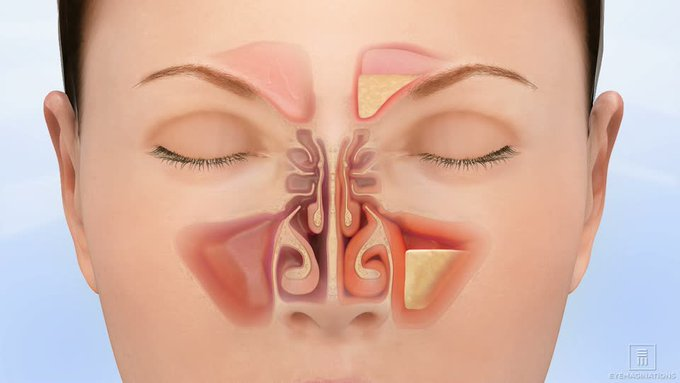
Sinonasal tumors grow in the nasal cavity or the paranasal sinuses. These areas are behind and around your nose. Some tumors grow slowly and are harmless, while others may spread and need quick treatment.
Doctors often group them into two types: benign tumors and malignant tumors. Both need proper care, but treatment plans may differ.
Difference Between Benign and Malignant Tumors
Benign tumors are localized and do not spread. However, they can still cause problems like blockage or pressure in the nose.
Malignant tumors, such as sinus cancer, can grow faster and may spread. These need more serious sinonasal tumor management like radiation therapy or chemotherapy along with surgery.
Common Symptoms of Sinonasal Tumors
Early Warning Signs to Watch For
Symptoms can feel like a normal sinus problem at first. This is why many people ignore them.
Common signs include:
- Blocked nose on one side
- Frequent nosebleeds
- Facial pain or pressure
- Reduced sense of smell
If these symptoms last a long time, it is important to get checked.
When to See an ENT Specialist
If your symptoms do not go away, it is best to visit an ENT specialist. Early diagnosis makes treatment easier and more effective.
Doctors trained in otolaryngology can check your nose and sinuses using special tools. They know how to spot signs that others may miss.
How Sinonasal Tumors Are Diagnosed
Role of CT Scan and MRI
Imaging tests are a key part of diagnosis. A CT scan shows the structure of your sinuses. It helps doctors see the size and location of the tumor.
An MRI gives more detail about soft tissues. It helps check if the tumor has spread to nearby areas.
Both tests are painless and quick.
Biopsy and Lab Testing Explained
A biopsy is when a small piece of the tumor is taken for testing. This helps confirm if the tumor is benign or malignant.
The sample is sent to a lab, where experts study the cells. This step is very important for choosing the right treatment.
Treatment Options for Sinonasal Tumor Management
Surgical Treatment and Tumor Removal
Surgery is often the main treatment. The goal is to Get rid of tumor safely.
Many doctors now use endoscopic sinus surgery. This method uses a small camera and tools inserted through the nose. There are no big cuts on the face.
In some cases, more complex skull base surgery may be needed if the tumor is deeper.
Radiation Therapy and Chemotherapy
If the tumor is cancerous, radiation therapy may be effective in this case. It helps kill cancer cells and reduce the risk of the tumor coming back.
Chemotherapy may also be used in some cases. It works by stopping cancer cells from growing.
These treatments are often combined with surgery for better results.
Minimally Invasive Endoscopic Surgery
Modern endoscopic sinus surgery is less invasive. It means less pain and faster recovery.
Patients often prefer this option because it reduces hospital stay and lowers the risk of complications.
Recovery and Aftercare Following Treatment
What to Expect After Surgery
After surgery, you may feel some discomfort. There can be swelling, mild pain, or nasal congestion.
Doctors usually recommend rest for a few days. You may also need follow-up visits to check healing.
Most people return to normal activities within a few weeks.
Managing Side Effects and Follow Ups
If you had radiation therapy or chemotherapy, you may feel tired or weak. Some people also notice a dry nose or throat.
Regular follow-ups are very important. Doctors monitor your recovery and check for any signs of the tumor returning.
Simple care, like keeping the nose clean and using saline sprays, can help healing.
Tips for Early Detection and Better Outcomes
Importance of Regular Checkups
Regular checkups help catch problems early. This is especially important if you had a tumor before.
Early detection makes treatment more reliable and successful.
Lifestyle and Health Factors to Consider
Healthy habits support recovery. Eating well, staying hydrated, and avoiding smoking can make a big difference.
Good overall health helps your body heal faster after treatment.
Conclusion
Going through sinonasal tumor management can feel overwhelming, but knowing what to expect makes it easier. From diagnosis with CT scan and MRI to treatment with endoscopic sinus surgery, each step is designed to help you heal.
Recovery may take time, but most people improve with proper care. With the right support and regular follow-ups, you can manage your health and move forward with confidence.If you notice symptoms early and seek help from an ENT specialist, your chances of successful treatment are much higher. Stay informed, stay calm, and take one step at a time.
