
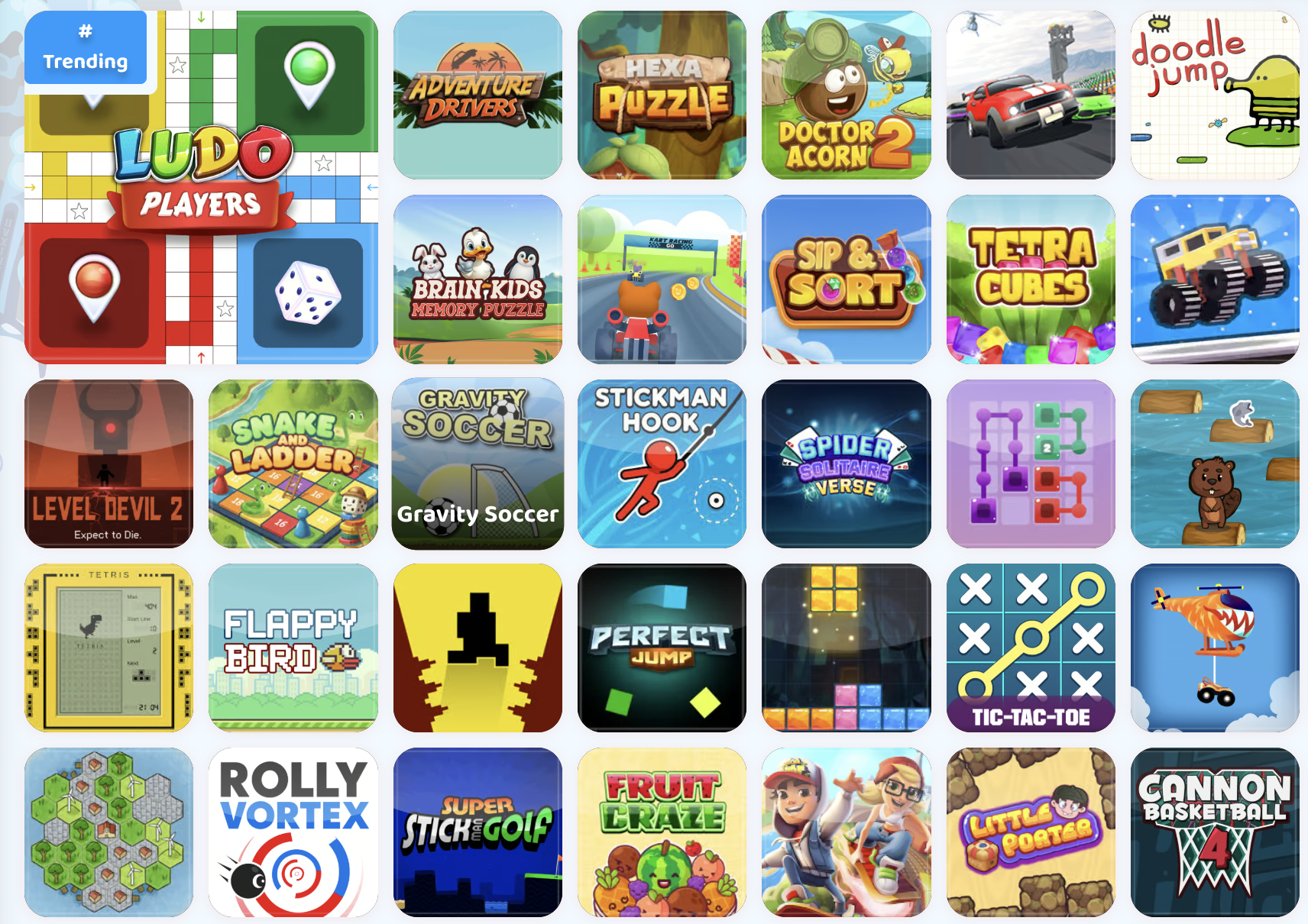

Scroll through any app store or gaming portal and you’ll notice one genre that never seems to fade: puzzle games. Even as flashier genres come and go, puzzles keep showing up in our “just one more round” moments.
That’s because puzzles fit modern life. They’re quick to start, satisfying to finish, and easy to enjoy whether you have two minutes between meetings or a full hour to unwind.
And on the web—where instant playable games load fast and don’t demand a download—puzzle titles feel more “made for the moment” than ever.
Why puzzles still feel like the perfect timepass
Puzzle games hit a sweet spot: they’re light enough to be relaxing, yet engaging enough to keep your brain busy. Unlike long campaign games, you don’t need to remember complex storylines or controls. You can drop in, solve, and move on—or keep chaining levels when you’re on a roll
- Low commitment: No massive installs, no learning curve, no pressure.
- High satisfaction: Clear goals and instant feedback make wins feel earned.
- Flexible pacing: Play slow and thoughtful, or speed-run simple stages.
- Universal appeal: Kids, teens, and adults can all enjoy the same mechanics.
The web-game advantage: instant, casual, and shareable
Web games make puzzle fun even more accessible because they remove friction. With instant playable games, you can launch a level during a break, on a shared computer, or on a phone without committing storage space. That convenience matters—puzzles are often impulse entertainment.
When you just want to play games without waiting on downloads or updates, browser-based puzzle experiences feel like the modern version of a newspaper crossword—always there, ready when you are.
What makes puzzle loops so addictive?
Great puzzle design uses small rewards to create momentum. Each level teaches you something, then gently raises the stakes. This “learn, apply, master” rhythm is why puzzles keep you engaged without feeling exhausting.
Common mechanics that keep players coming back
Different puzzle types scratch different itches, but many share the same core hooks:
- Pattern recognition: Spot the rule, then break through the board.
- Resource constraints: Limited moves, time, or hints push smart decisions.
- Progression systems: Stars, streaks, daily challenges, and unlocks.
- Near-miss moments: “I almost had it”—the ultimate replay trigger.
Puzzle games fit real life better than most genres
Not everyone wants intense competition or long sessions. Puzzle games respect your schedule. They’re ideal for:
- Micro-breaks: One level while coffee brews.
- Stress resets: A calm logic game after a busy day.
- Social downtime: Passing a device around to solve together.
- Routine play: Daily puzzles that become a small habit.
They also scale beautifully: beginners can enjoy simple stages, while experienced players chase perfect solutions, speed, or fewer moves.
How to pick a puzzle game you won’t quit after five minutes
With so many web puzzle games available on funox.com, it helps to know what keeps you engaged. Look for:
- Clear rules: You should understand the goal within seconds.
- Fair difficulty: Challenging, not confusing; hints feel optional, not required.
- Fast restarts: Quick retries make experimentation fun.
- Short sessions: Levels that wrap up before boredom hits.
Conclusion
Puzzle games are still everyone’s favorite timepass because they deliver something rare: instant fun with lasting satisfaction. They fit into tiny gaps in your day, reward you for thinking, and never demand more time than you’re willing to give.
As web games and instant playable games keep getting smoother and more diverse, puzzles will remain the go-to choice for casual, feel-good entertainment—one quick level at a time.
