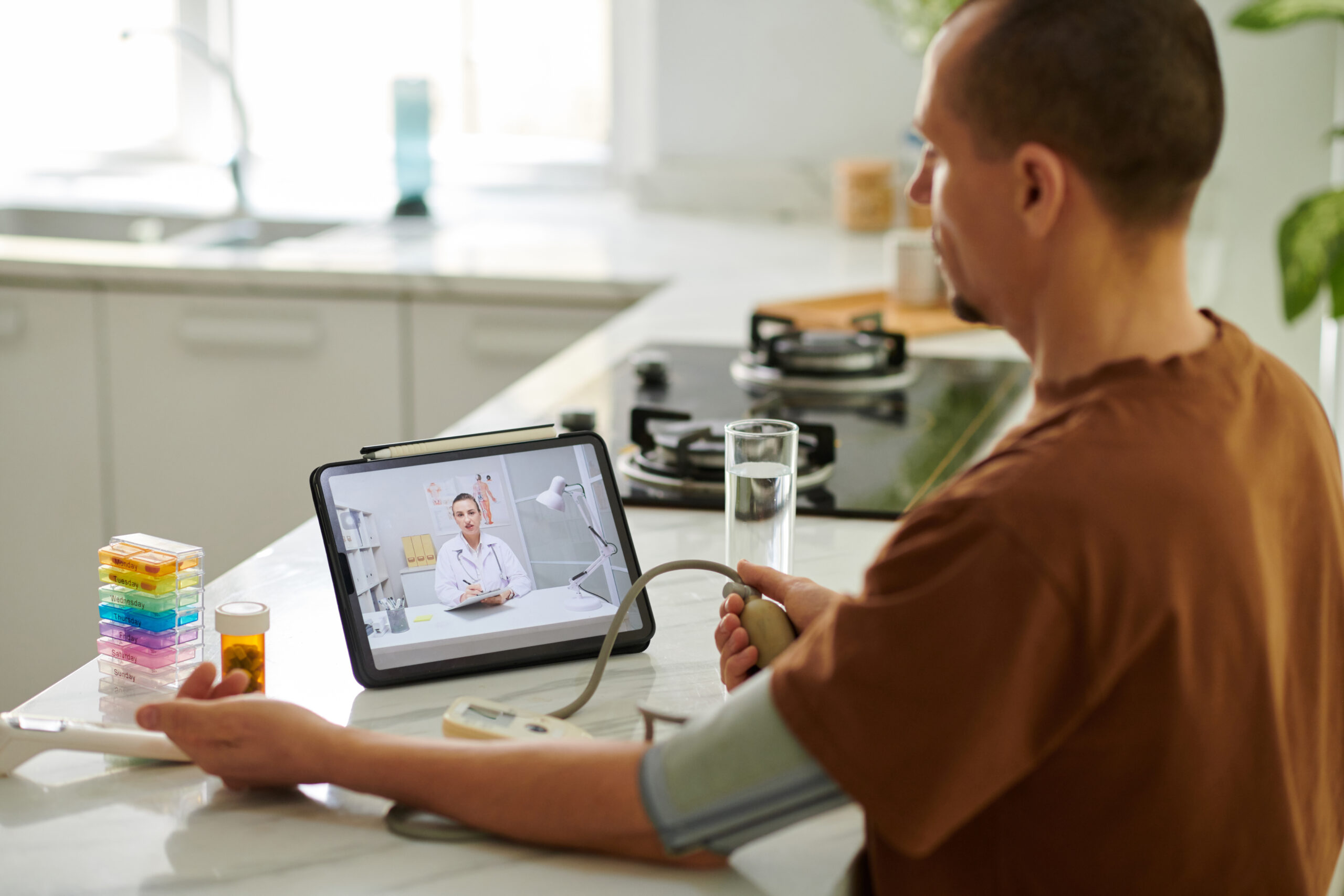

Let’s be honest for a second: the traditional healthcare model is stretched thin, and providers everywhere are feeling the burn of trying to manage chronic conditions within the four walls of a clinic. We have all seen it, the patient with hypertension who only comes in once every three months, leaving a massive data gap in between visits where anything could go wrong. This is where the market demand for remote patient monitoring companies has absolutely skyrocketed.
It’s no longer just a “nice-to-have” tech trend; it’s a fundamental shift in how we keep people healthy without requiring them to sit in a waiting room for forty minutes just to get a thirty-second blood pressure reading. The problem is that the “old way” of doing things creates a reactive environment where we only treat problems after they’ve flared up into emergencies. When a patient says, “off,” he or she may be in the process of going back to the hospital. Remote Patient Monitoring Company turns the traditional script on its head, as it delivers an ongoing flow of data and enables an early intervention strategy that is time-saving, cost-saving and – most importantly – life-saving.
What Is RPM Software?
Think of RPM software as the digital bridge between a patient’s living room and your medical dashboard. It is more than just a fancy app as it’s a sophisticated ecosystem designed to collect, transmit, and analyze health data from medical devices, like scales, glucose monitors, and blood pressure cuffs, directly to a healthcare provider in real-time. When you partner with the right remote care monitoring solutions, you’re essentially installing a 24/7 safety net for your most vulnerable patients.
Key Features to Look For in a Provider
As you begin to research the most suitable RPM software for clinics, you will discover that not all software is the same. Some are simply data repositories, others are the full clinical powerhouses. You’re looking for things that will simplify your life, not complicate it. That means devices that can connect to the cell phone network right out of the box, without the need for complex Bluetooth pairing, you know how frustrating it is when an 80-year-old tries to figure out the Wi-Fi connection.
User-Friendly Dashboards and Alerts
A great platform should have a “red-yellow-green” triage system. You don’t want to be buried in thousands of normal readings; you want the software to scream at you only when someone is in the red. Look for companies that offer chronic care RPM software with customizable alerts so your staff can focus their energy where it’s needed most.
Seamless EHR Integration
Nobody has time for double data entry. If the RPM data doesn’t flow naturally into your existing Electronic Health Record (EHR) system, it’s going to become a burden rather than a benefit. The goal is to have a unified view of the patient’s health history and their current remote data in one single place.
Benefits for Clinics & Providers
Why all this bother? Because the advantages are tremendous. It significantly enhances clinical decision making, for one thing. You are not just getting one, often stressed-out “white coat” reading at the office, a trend line of 30 days of data. You have the whole picture of the patient’s situation, resulting in improved outcomes and less “what if”?
Reducing Staff Burnout
It may sound like the more data you have, the more work, but it isn’t. Your staff will no longer be chasing updates from patients, and instead be able to concentrate on providing care, since these tasks will be automated and initial triaging of data will take place. Simple to use and ensures that your nurses and MAs are practicing to the full extent of their license.
How RPM Improves Revenue & Care
Let’s talk about the business side of things for a moment. Many providers are surprised to learn that RPM is a significant revenue generator. Medicare and many private insurers have robust reimbursement codes (like 99453, 99454, 99457, and 99458) specifically designed to pay clinics for the time they spend monitoring these patients. By utilizing remote patient monitoring companies, you can create a new, recurring monthly revenue stream that actually pays for the software itself and then some.
Cutting Down on Readmissions
Hospital readmissions are a major foe of any value-based care. Early detection of weight gain in a heart failure patient, before the patient is unable to breathe, means avoiding an expensive ER visit. This helps to maintain good quality scores and avoids you being penalized for problems that could have been avoided. It’s good for the patient’s health and good for the clinic’s finances.
Choosing the Right RPM Company: A Practical Guide
Well, how do you choose one? You have to investigate further than the glitzy sales literature and ask hard questions. Does the company really work as a business partner, or merely as a vendor? Are they available to them or are they required to be obtained from the user? Most importantly, are they a HIPAA compliant patient monitoring platform? You can’t do anything without security.
Evaluate the Logistics Support
Does the company handle shipping the devices to the patients? Do they offer technical support when a patient can’t figure out how to step on the scale? The best companies, like those offering tellihealth RPM solutions, take the logistical weight off your shoulders so you can remain a doctor and not an IT specialist.
Scalability and Longevity
You don’t need to choose a start-up that could cease to exist in six months. Seek out proven players that have a successful history. Seek out case studies, references, from other clinics your size. You must have a platform that can scale from 5 patients to 500 patients and then some!
Conclusion
The move to remote care is not a quick solution, it’s a new model of excellence in medicine. So, if you’ve selected the right partner among the numerous remote patient monitoring companies currently available, you’re future-proofing your practice and offering your clients a level of care that wasn’t possible before. It’s your duty to be present for your patients while they are not physically present.
If you’re searching for a person who can grasp the clinical and financial nuances of remote care, it’s time to take a look at the Tellihealth healthcare platform. We provide you with the tools, tech and support.
FAQs
What are the best remote patient monitoring companies for healthcare providers?
The top remote patient monitoring (RPM) companies are those that not only are easy to use for doctors but are also patient friendly, such as Tellihealth. The right RPM company offers dependable gadgets, straightforward healthcare information, good customer support, and compliance with healthcare privacy regulations. Not every company suits every healthcare provider, and the “best” one may be determined by the size of the practice, what the patients require, and the budget.
How do remote patient monitoring companies improve patient care?
With remote patient monitoring firms, physicians are able to monitor patients’ health without having to visit the clinic often. Patients can check at home such measurements as blood pressure or heart rate and the results are transmitted directly to their care team. This means early detection of any issues, quicker treatment adjustment, and comfort for patients of regular monitoring.
What services do remote patient monitoring companies offer?
The majority of companies offering remote patient monitoring will offer medical devices, software to monitor health information and solutions for health care providers to access patient information. Most also have set-up support, patient education, technical support, and reporting features. Some companies even take care of billing and patient engagement on an ongoing basis for clinics to concentrate on care and reduce admin work.
Are remote patient monitoring companies HIPAA compliant?
Yes, good remote patient monitoring companies, such as Tellihealth RPM solution are HIPAA compliant. This means they have strict guidelines to protect patients’ health data. Data is secured and protected, and only available to trusted health care professionals. Regardless of the type of RPM company that providers are considering, it is always crucial for them to confirm that the company is HIPAA compliant to make sure providers are not put in a difficult situation regarding privacy of patients.
How do remote patient monitoring companies reduce hospital readmissions?
Health problems can be addressed before they’re emergencies with remote patient monitoring. Doctors can monitor the patient at home and see indications early and act quickly. These things limit the occurrence of complications, improve the management of their chronic conditions and decrease the likelihood that patients will need to be readmitted to the hospital shortly after their release.
