
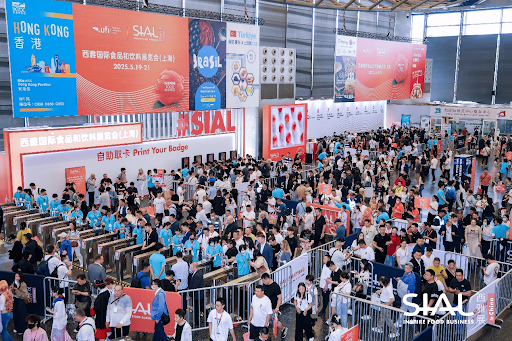

In today’s interconnected marketplace, the food industry no longer operates within local boundaries. Businesses are constantly looking for ways to expand internationally, understand consumer trends, and build reliable supply chains. This is where food trade shows play a major role. These events act as global meeting points where ideas, products, and partnerships come together in real time.
Unlike digital platforms, trade shows offer something more tangible direct experience. Buyers can see, taste, and evaluate products instantly, which helps in building trust and accelerating business decisions.
How International Food Events Influence Market Direction
Large-scale industry gatherings have a strong influence on global food trends. From packaging innovations to health-focused product lines, many new concepts first gain attention at food trade shows before reaching mainstream markets. Companies use these events to test demand and observe how international buyers react to new offerings. This immediate feedback loop is valuable because it reduces market risk and improves product development strategies.
Another important factor is visibility. Smaller or emerging brands often struggle to gain attention in competitive markets. However, by participating in global exhibitions, they can present themselves directly to distributors and importers who are actively searching for new products.
Understanding the Importance of China Fair in Global Trade
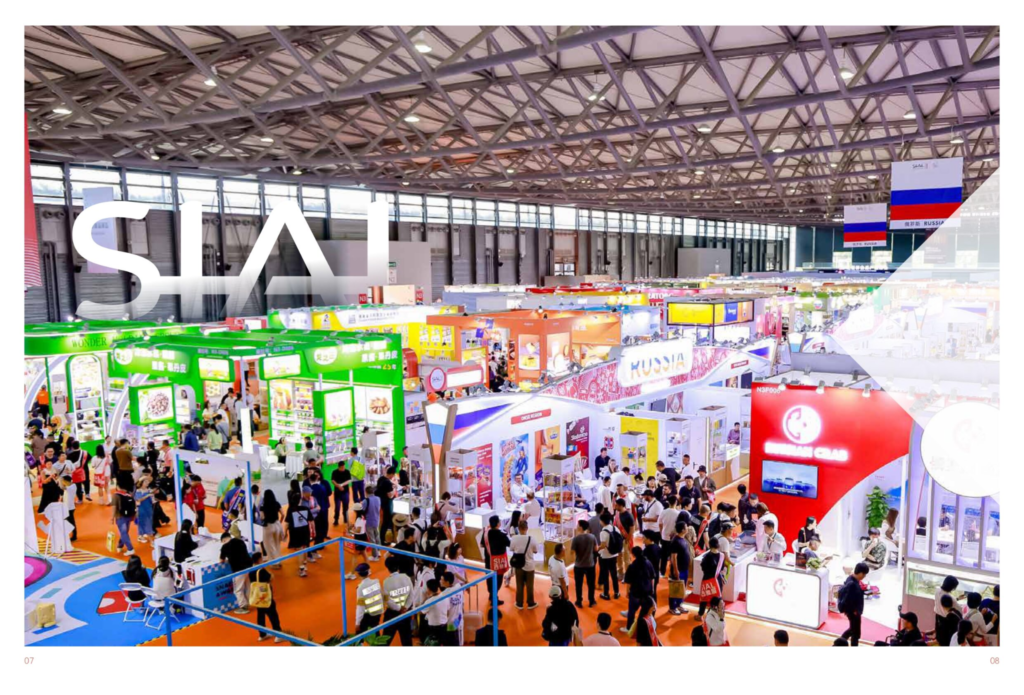
China has become one of the most important hubs for international trade exhibitions, especially in the food sector. A china fair is not just a regional event—it is a global business platform that attracts exhibitors and buyers from across Asia, Europe, the Middle East, and the Americas. These fairs are known for their massive scale and diversity. From agricultural products and processed foods to advanced packaging technologies, almost every segment of the food industry is represented. This creates a unique environment where businesses can explore multiple categories in a single location.
What makes a China fair particularly valuable is the access it provides to one of the largest consumer markets in the world. For international brands, this is an opportunity to understand local preferences and adjust their strategies accordingly.
Why Businesses Prioritize International Exhibition Participation
Companies that regularly attend food trade shows often gain a competitive advantage. These events are not just about displaying products—they are about building long-term business ecosystems. One of the key benefits is relationship building. Face-to-face interaction allows businesses to establish trust more quickly than digital communication. In industries like food, where quality and reliability are critical, this trust becomes a major deciding factor.
Additionally, companies gain exposure to new suppliers and distributors. Many successful import-export relationships begin at international fairs, where both parties are actively looking for collaboration opportunities.
Market Trends Emerging from Large-Scale Trade Events
Over the years, several important industry trends have emerged from global food exhibitions:
- Growing demand for organic and natural food products
- Increased interest in plant-based alternatives
- Rising importance of sustainable packaging solutions
- Expansion of frozen and ready to eat food categories
- Technological advancements in food processing and safety
These trends often gain momentum after being introduced at major food trade shows and china fair events, where they are validated by global buyers.
Strategic Value for Startups and Small Businesses
While large corporations dominate many industries, food trade shows provide equal opportunity for smaller businesses. Startups often use these platforms to introduce innovative products and attract investors or distributors. The visibility gained at a china fair can sometimes lead to rapid expansion into international markets. Even a single successful connection can open doors to long-term export agreements or retail partnerships. For many small brands, these exhibitions act as a launchpad that transforms local businesses into global competitors.
Digital Integration in Modern Trade Exhibitions
Modern food exhibitions are no longer limited to physical interactions. Many events now integrate digital tools such as virtual booths, online catalogs, and real-time communication platforms. This hybrid approach allows businesses to extend their reach beyond physical attendees. Buyers who cannot travel can still explore products and connect with exhibitors digitally. This shift has made food trade shows more inclusive and efficient. It also ensures that business opportunities are not limited by geography, making global trade more accessible than ever before.
Challenges Businesses Face at Large Exhibitions
Despite their advantages, participating in international fairs also comes with challenges. Costs can be high, especially for smaller companies that need to manage travel, logistics, and booth setup. Competition is another factor. With thousands of exhibitors present, standing out requires strong branding and clear messaging. Businesses must carefully design their presentation to attract attention within a crowded environment. However, companies that prepare effectively often find that the return on investment justifies the effort.
Conclusion
Food trade shows and China fair events have become essential pillars of the global food industry. They provide unmatched opportunities for networking, product discovery, and international expansion. In a world where competition is increasing and consumer preferences are evolving quickly, these exhibitions offer businesses a practical way to stay relevant and grow.
Whether it is a startup entering the market or an established brand expanding globally, participation in such events continues to be one of the most effective strategies for long-term success.
FAQs
What are food trade shows used for?
They are used for showcasing food products, connecting buyers and suppliers, and exploring global business opportunities in the food industry.
Why are China fair events important?
China fair events are important because they connect international businesses with one of the largest and fastest-growing consumer markets in the world.
Who attends these exhibitions?
Manufacturers, exporters, importers, wholesalers, distributors, and industry professionals from the global food sector attend these events.
Can small businesses benefit from food trade shows?
Yes, small businesses can gain visibility, attract distributors, and enter international markets through these exhibitions.
Are modern food trade shows only physical events?
No, many modern exhibitions now include digital platforms and hybrid models to allow global participation even without physical attendance.
