
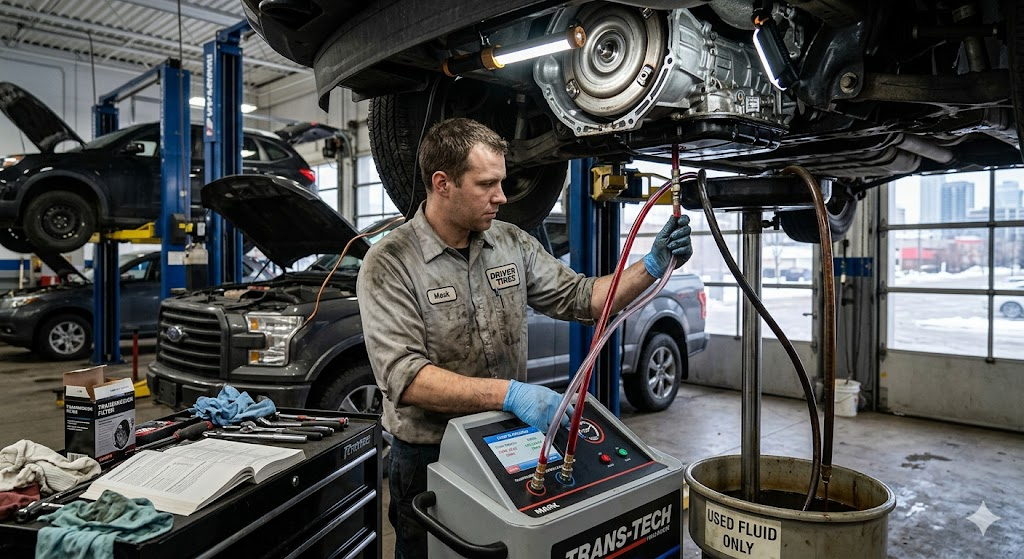

If you’re purchasing or selling a vehicle, you should be familiar with a lot about the transmission service. If the car is in your possession, you should be well-informed about this service to keep it running smoothly.
Your car’s transmission is one of the most important components under the hood. It’s a machine that transfers power from the motor to the wheels, enabling smooth, effective gear changes. A transmission, as with any other part of a vehicle, can only perform its function if every component is in good health, and a well-functioning engine won’t work without a well-functioning transmission. That is why regular transmission service is important for maintaining your car’s performance, fuel economy, and longevity.
- What Is a Transmission?
The transmission system is a complex mechanical system which controls the power output of the engine. Basically, it ensures the correct level of power reaches the wheels at various speeds. The majority of cars will be manual transmission or automatic transmission, but some newer cars will include a continuously variable transmission (CVT).
When the gears shift automatically, as in an automatic transmission, it is easier and more convenient to drive. A manual transmission is one that is shifted through the gears by the driver’s hands on the clutch and gear stick. All transmissions will have to be tuned up and serviced to run properly.
- Why Transmission Service Matters
Most motorists don’t bother to keep their transmissions in top condition until they start having problems. Unfortunately, if transmission troubles are left untreated for too long, the repair may be extremely expensive. Periodic transmission service in Edmonton will help to prevent major transmission failure and ensure that your vehicle runs smoothly.
There are several benefits to regular servicing, such as:
- Improved fuel efficiency
- Smoother gear shifting
- A lesser degree of wear and tear.
- Extended transmission lifespan
- Lower repair costs
Keeping the transmission in good shape also enhances driving safety. A failure to shift gears or to shift gears in a rough way can cause unsafe driving circumstances, especially at high speeds and when increasing the rate of speed.
- Signs That You Need Transmission Service
Knowing how to identify the indications of a transmission issue can save you a lot of money. If you spot any of the following, transmission inspection might be due for you:
- Delayed Gear Shifting: If the car hesitates when shifting gears, there could be a problem with fluid levels or transmission wear.
- Strange Noises: If the transmission makes grinding, whining, or clunking sounds while driving, there is a problem.
- Transmission Fluid Leaks: Transmission fluid is usually dark red and slightly sweet-smelling. Leaks under your car should never be ignored.
- Burning Smell: When the transmission fluid is too hot, it can emit a burning smell. This is commonly due to old or contaminated fluid.
- Slipping Gears: Your transmission might be going out of order if it starts to shift gears accidentally or if it keeps shifting gears.
- Warning Lights: When a problem is detected in a modern vehicle, a warning light will appear on the car dashboard—usually the check engine or check transmission light.
If you tackle the symptoms early, you can prevent the damage from becoming so extensive, and repair costs will be lower.
- What Is Involved in A Transmission Service?
To keep a transmission running in good condition, there are a number of important procedures involved in a professional transmission service Edmonton.
- Transmission Fluid Inspection
Technicians check the condition and level of the transmission fluid. Overheating and poor performance are caused by dirty or low fluid.
- Fluid Replacement or Flush.
Existing transmission fluid is drained and replaced with new fluid. Sometimes a full transmission flush is advised to remove any contaminants from the system.
- Filter Replacement
Filters are a feature of some transmissions that catch dirt and debris. The filter change ensures the circulation of clean fluids.
- System Inspection
Mechanics examine seals, gaskets, hoses, and other transmission components for wear and leaks.
- Diagnostic Testing
Today’s repair shops use computer diagnostic equipment to detect transmission problems that can be hidden.
How Often Should You Service Your Transmission?
The recommended transmission service interval varies by vehicle type, driving practices and manufacturer instructions. Some recommend shifting the fluid in automatic transmissions every 30,000 to 60,000 miles. Depending on the type of manual transmission, maintenance may be required at various times.
Vehicles driven under harsh conditions may require more frequent service, however. Examples include:
- Heavy towing
- Stop-and-go traffic
- Extreme temperatures
- Mountain driving
- Frequent long-distance travel
Always refer to the owner’s manual or a trusted mechanic for the best maintenance schedule for your vehicle.
- Tips for Maintaining Your Transmission
Drivers can do a few simple things to keep their transmissions in good shape and ensure the rest of their vehicle is working well.
- Check Fluid Regularly: Check and record the level and colour of the transmission fluid. Normal fluid is as red as a cherry and clear.
- Avoid Aggressive Driving: Riding at high speeds with quick acceleration and deceleration puts additional strain on the transmission.
- Chill Out (Warm up vehicles): In cold weather, let your car warm up for a short time so the transmission fluid circulates properly.
