

The modern marketing department is often caught in a frustrating paradox. On one hand, they are expected to be more agile than ever, responding to real time trends and shifting consumer sentiments in a matter of hours. On the other hand, they are frequently tethered to the schedules of technical departments, waiting in long queues for a developer to implement a tracking pixel, a data analyst to pull a custom report, or an IT manager to approve a new landing page tool. This technical dependency has become the primary bottleneck for creative growth. However, a new paradigm is emerging where the “technical” and “creative” are no longer separate entities. By equipping creative minds with the right tools, companies are turning their marketing departments into self sufficient technical powerhouses that can execute vision at the speed of thought.
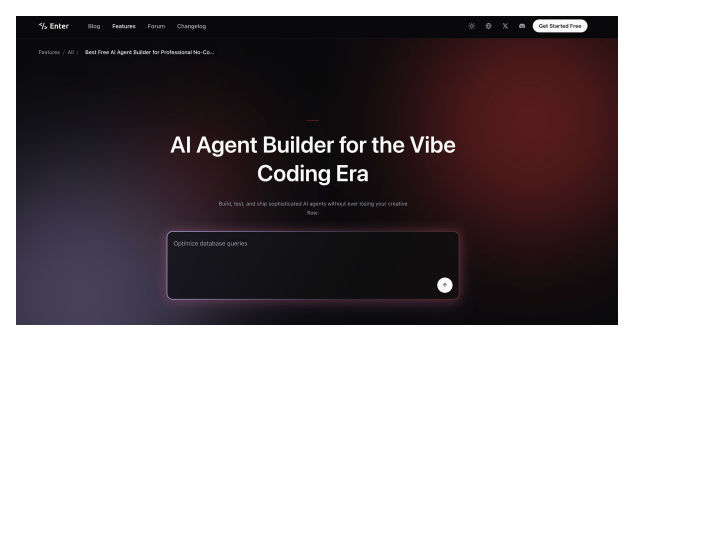
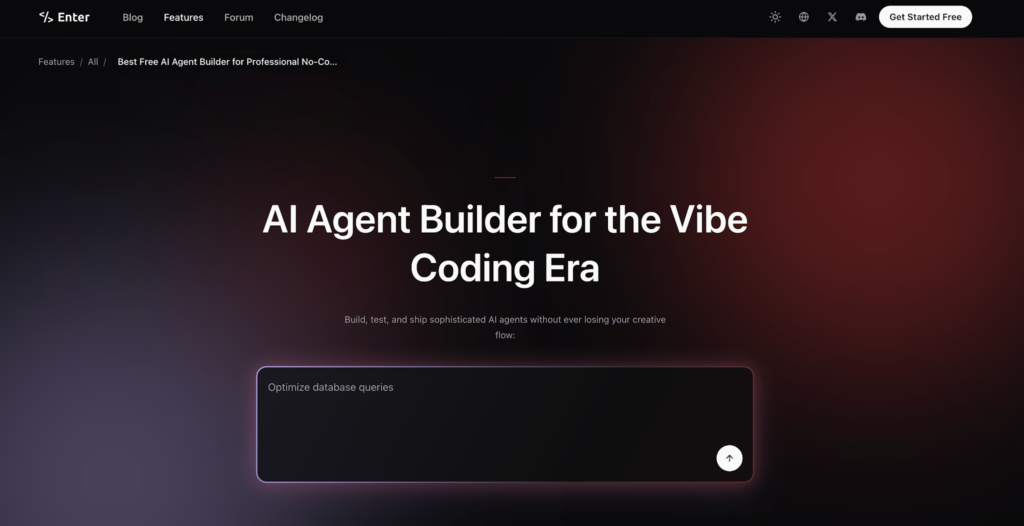
This transformation is driven by the realization that marketing managers do not need to become computer scientists to handle technical tasks. They simply need a way to interface with complex systems without the friction of traditional coding. By using a streamlined AI agent builder that requires zero coding knowledge to deploy, marketing teams can build their own custom assistants to handle data processing, sentiment analysis, and even automated content distribution. This shift allows human talent to focus on empathy-driven resolutions and high-level storytelling while the agents handle the underlying logic and execution.
The Democratization of Marketing Data
For years, data was something that marketers “requested” rather than something they “owned.” If a brand manager wanted to understand the correlation between weather patterns in the Midwest and the sales of a specific product line, they would have to submit a request to the data science team. By the time the report was delivered, the weather had changed, and the opportunity had passed. The goal today is to put that analytical power directly into the hands of the strategist.
When a marketing team has access to custom-built agents, they can create their own “insight engines” tailored to their specific campaigns. These agents can live inside the marketing dashboard, constantly scanning internal and external data sources to provide real-time recommendations. It turns the marketing professional from a passive consumer of reports into an active director of data. This democratization of information ensures that every creative decision is backed by solid evidence, reducing the risk of expensive campaign failures.
Eliminating the Handoff with Automated Implementation
Once a brilliant creative strategy is formed, the implementation phase is usually when momentum slows. Customizing a website for a specific holiday promotion or building a unique lead capture flow often requires custom snippets of code that the marketing team isn’t equipped to write. This is where AI code generation becomes the secret weapon of the modern marketer. It allows for the rapid creation of tracking scripts, API connectors, and interactive web elements that would otherwise require a dedicated engineer.
If a team needs to integrate a new third-party tool into their existing tech stack, the AI can generate the necessary “glue code” to make the systems communicate seamlessly. This means a marketing campaign can go from a whiteboard sketch to a live, fully tracked digital experience in a single afternoon. By removing the need for a formal developer handoff for every minor change, the team can experiment more freely and optimize their campaigns based on live feedback rather than theoretical models.
Enter Pro as the Creative Safety Net
The greatest fear of any CMO is that giving non-technical teams too much power will lead to a broken website or a data security breach. Enter Pro addresses this concern by providing a governed environment where creativity and technology can coexist safely. Enter Pro acts as the foundational layer that ensures all marketing agents and generated code operate within the organization’s security protocols. It provides a “safe sandbox” where marketers can innovate without the risk of accidentally compromising the company’s digital infrastructure.
Enter Pro also allows for the centralization of marketing assets and logic. Instead of having various tools scattered across different platforms, everything is housed within a single, cohesive ecosystem. This enables better collaboration across marketing functions, such as social media, email, and SEO. When everyone is working on the same platform, the “left hand” always knows what the “right hand” is doing, leading to a more unified brand voice and a more efficient use of resources.
Scaling Personalization Through Intelligence
One of the biggest challenges in modern marketing is achieving “personalization at scale.” It is easy to write a personal email to ten people, but it is nearly impossible to do it for ten million without sounding robotic. By building specialized agents within the Enter Pro ecosystem, marketing teams can create hyper-personalized customer journeys that adapt in real time. These agents can analyze a user’s behavior on a website and instantly generate custom offers or content that speaks to that individual’s specific needs.
This level of personalization requires a deep integration of data and creative execution. Because the marketing team now has the technical tools to build these journeys themselves, they can ensure that the “human” element of the brand is never lost in the automation. They can fine-tune the tone, the timing, and the visual presentation of every automated interaction, ensuring that the technology serves the creative vision rather than the other way around.
From Campaign Managers to System Architects
The role of the marketer is evolving from someone who simply manages campaigns to someone who designs systems. As marketing teams become more comfortable with agent building and code generation, they begin to think more like architects. They are no longer just looking for the next “big idea”; they are looking for the next “big system” that can generate ideas and execute them autonomously. This shift in mindset is what separates the leading brands from the laggards.
This evolution also makes the marketing department a much more attractive place for top talent. Creative professionals want to work in environments where they can bring their ideas to life without being hindered by technical hurdles. By providing these tools, companies are not just improving their marketing output; they are building a culture of innovation and empowerment that attracts and retains the best people in the industry.
Concluding
To wrap things up, when marketing teams own their technical tools, the pace of innovation accelerates, leading to more personalized and effective campaigns that resonate with the modern consumer. Enter Pro provides the necessary bridge to turn creative people into technical powerhouses without forcing them to go back to school for a computer science degree. The future of marketing belongs to those who can combine human intuition with the raw power of custom-built AI tools to deliver value at the exact moment a customer needs it. By removing bottlenecks and empowering the creative team, businesses ensure their marketing is as dynamic and responsive as the world we live in.
