
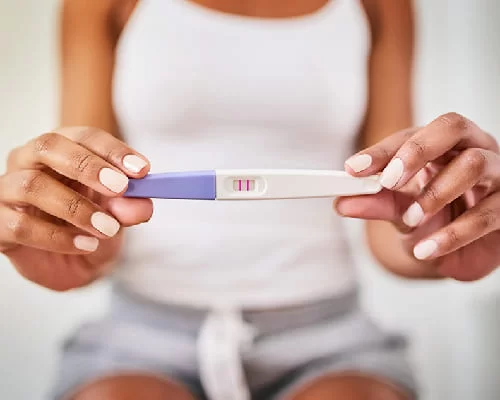

When planning for pregnancy, some women may choose to consult a Gynaecologist to better understand their reproductive health and fertility status. In certain situations, fertility assessments may also help determine whether further support, including IVF (In-Vitro Fertilisation), could be considered as part of future family planning discussions.
Female fertility assessments involve a range of medical evaluations that examine ovulation, hormone levels, ovarian reserve, and reproductive anatomy. These assessments may provide useful information for women who are trying to conceive, planning pregnancy later in life, or experiencing concerns related to menstrual irregularities or fertility health.
In Singapore and globally, awareness of reproductive health has grown as more individuals seek information about fertility planning and available medical options. While many women conceive naturally without medical intervention, others may benefit from an earlier fertility evaluation based on their age, medical history, or personal circumstances.
What Is a Female Fertility Assessment?
A female fertility assessment refers to a series of medical evaluations that examine a woman’s reproductive health and potential factors that may affect fertility. These assessments are usually tailored to an individual’s medical history, age, symptoms, and pregnancy goals.
The purpose of fertility assessments is not solely to diagnose infertility. In many cases, women seek evaluations to better understand their reproductive health before trying to conceive.
A fertility assessment may involve:
- Reviewing medical and menstrual history
- Blood tests to assess hormone levels
- Ultrasound scans
- Ovulation tracking
- Examination of the uterus and fallopian tubes
The specific tests recommended may vary depending on individual circumstances.
When Should Women Consider a Fertility Assessment?
Women may consider seeking a fertility assessment if they have concerns about their reproductive health or have been trying to conceive without success.
In general, medical evaluation may be considered:
- After 12 months of trying to conceive for women below 35 years old
- After 6 months for women aged 35 and above
Earlier evaluation may also be appropriate for women with:
- Irregular or absent menstrual cycles
- A history of recurrent miscarriage
- Known conditions such as polycystic ovary syndrome (PCOS)
- Endometriosis
- Previous pelvic infections
- Prior pelvic or abdominal surgery
Some women also choose to undergo fertility assessments before marriage or before planning for pregnancy in the future.
Initial Fertility Consultation
The first fertility consultation typically involves a discussion about medical history, reproductive health, and lifestyle factors.
A gynaecologist may ask about:
- Menstrual cycle regularity
- Previous pregnancies or miscarriages
- Existing medical conditions
- Current medications
- Family history of reproductive conditions
- Lifestyle habits such as smoking or alcohol consumption
Information about sexual health, exercise habits, stress levels, and body weight may also be discussed, as these factors can influence fertility.
Common Female Fertility Tests
Several assessments may be used to evaluate fertility health. Not all women require every test, and investigations are often individualised.
Hormone Blood Tests
Hormone testing is commonly performed to evaluate ovarian function and ovulation.
Some commonly assessed hormones include:
- Follicle-Stimulating Hormone (FSH)
- FSH helps regulate egg development within the ovaries. Abnormal levels may indicate issues related to ovarian function.
- FSH helps regulate egg development within the ovaries. Abnormal levels may indicate issues related to ovarian function.
- Luteinising Hormone (LH)
- LH plays a role in ovulation. Hormone patterns may provide information about ovulatory function.
- LH plays a role in ovulation. Hormone patterns may provide information about ovulatory function.
- Anti-Müllerian Hormone (AMH)
- AMH testing is commonly used to estimate ovarian reserve, which refers to the remaining quantity of eggs in the ovaries.
- AMH testing is commonly used to estimate ovarian reserve, which refers to the remaining quantity of eggs in the ovaries.
- Thyroid Function Tests
- Thyroid disorders may affect menstrual cycles and fertility. Thyroid hormone testing may therefore form part of fertility evaluations.
- Thyroid disorders may affect menstrual cycles and fertility. Thyroid hormone testing may therefore form part of fertility evaluations.
- Prolactin Levels
- Elevated prolactin levels may interfere with ovulation in some women.
- Elevated prolactin levels may interfere with ovulation in some women.
- Ovulation Assessment
- Ovulation assessment helps determine whether eggs are being released regularly from the ovaries.
- Methods may include:
- Ovulation assessment helps determine whether eggs are being released regularly from the ovaries.
- Menstrual cycle tracking
- Basal body temperature monitoring
- Ovulation predictor kits
- Progesterone blood testing
Regular ovulation is an important factor in natural conception.
- Pelvic Ultrasound Scan
- Pelvic ultrasound scans are frequently used during fertility assessments to examine the reproductive organs.
- The scan may assess:
- Pelvic ultrasound scans are frequently used during fertility assessments to examine the reproductive organs.
- The uterus
- Ovaries
- Endometrial lining
- Presence of fibroids or ovarian cysts
An ultrasound may also be used to perform an antral follicle count, which estimates the number of small follicles within the ovaries.
- Fallopian Tube Assessment
- Open fallopian tubes are important for natural conception because fertilisation typically occurs within the tubes.
- One common procedure used to evaluate the fallopian tubes is hysterosalpingography (HSG). This imaging test uses contrast dye and X-rays to assess whether the fallopian tubes are open.
- Blocked fallopian tubes may affect the ability of sperm and egg to meet naturally.
Factors That May Affect Female Fertility
Several factors may influence fertility, and these can differ between individuals.
Age
Female fertility naturally declines with age, particularly after the mid-30s. Egg quantity and quality may gradually decrease over time.
Weight and Lifestyle Habits
Both underweight and overweight conditions may affect ovulation and hormonal balance. Maintaining a healthy lifestyle may support reproductive health.
Smoking and Alcohol
Smoking has been associated with reduced fertility and earlier decline in ovarian function. Excessive alcohol intake may also affect reproductive health.
Medical Conditions
Conditions such as PCOS, endometriosis, diabetes, and thyroid disorders may influence fertility.
Stress and Sleep
Stress and inadequate sleep may affect hormonal regulation and overall wellbeing, although fertility impacts can vary between individuals.
Understanding Fertility Assessment Results
Fertility assessment results are interpreted based on multiple factors, including age, symptoms, medical history, and reproductive goals.
Normal results do not necessarily guarantee pregnancy, while abnormal findings do not always mean pregnancy is impossible. Fertility evaluations are intended to provide information that may guide future planning and medical decisions.
Depending on the findings, next steps may include:
- Lifestyle modifications
- Monitoring ovulation
- Medical treatment
- Further investigations
- Assisted reproductive techniques such as intrauterine insemination (IUI) or IVF – In-Vitro Fertilisation
Recommendations vary according to individual circumstances.
Fertility Planning and Early Intervention
Early fertility evaluation may help women better understand their reproductive health before pregnancy planning.
Some women may also explore fertility preservation options such as egg freezing, particularly if they intend to delay pregnancy for personal or medical reasons.
Preconception care may involve:
- Reviewing chronic medical conditions
- Taking folic acid supplements
- Maintaining a balanced diet
- Updating vaccinations
- Managing weight and lifestyle habits
These measures may support overall reproductive health before conception.
Female fertility assessments can provide useful information for women planning pregnancy or seeking a better understanding of their reproductive health. The process may involve hormone testing, ultrasound scans, ovulation assessment, and evaluation of the fallopian tubes.
As fertility health varies between individuals, medical evaluations are typically personalised according to age, symptoms, and pregnancy goals. Women who have concerns about fertility or difficulties conceiving may consider consulting a gynaecologist for further assessment and guidance.
