
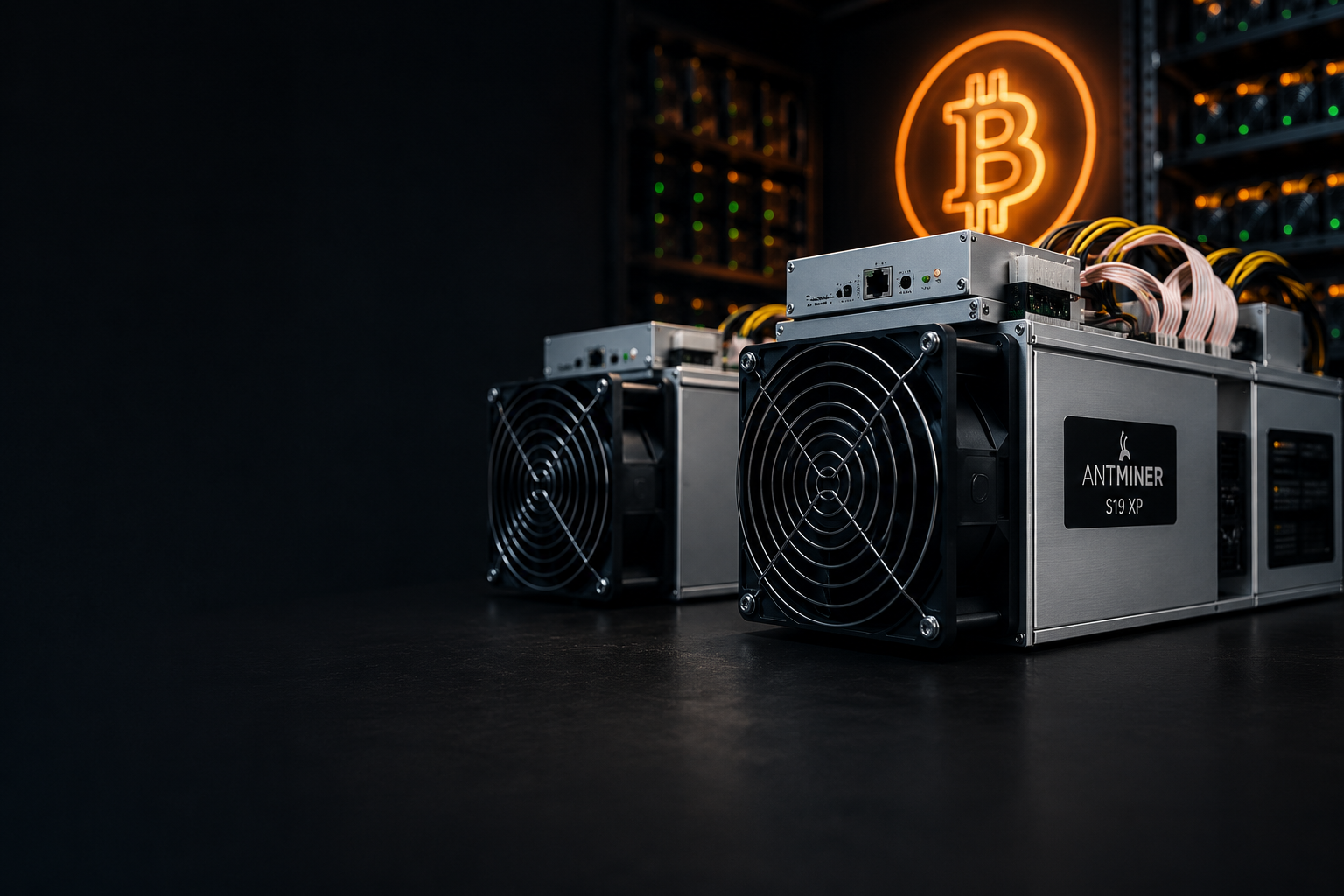

Choosing the right hardware is one of the most important decisions for anyone interested in Bitcoin mining. The equipment you select can affect energy consumption, reliability, performance, and long-term results. With technology advancing quickly, understanding what makes one machine better than another has become more important than ever.
Many beginners assume that all mining machines perform in a similar way. In reality, there are significant differences in efficiency, power usage, cooling systems, and processing capabilities. A well-informed choice can help miners avoid common mistakes and build a more sustainable operation.
Modern Bitcoin mining relies on specialized machines designed specifically for solving complex mathematical calculations. Unlike general-purpose computers, an ASIC miner is built for a single purpose, allowing it to deliver significantly higher performance and efficiency compared to traditional hardware.
Why Specialized Mining Hardware Matters
Bitcoin mining has evolved dramatically since its early days. Years ago, individuals could participate using standard desktop computers. As network difficulty increased, more powerful equipment became necessary to remain competitive.
Today, specialized hardware dominates the industry because it can perform trillions of calculations every second while maintaining better energy efficiency. These machines are engineered specifically for Bitcoin mining, making them the preferred choice for both home users and large-scale operations.
The shift toward specialized equipment has also improved reliability. Modern machines include advanced cooling systems, optimized chip designs, and monitoring features that help maintain stable performance over extended periods.
A modern BTC Miner is designed to operate continuously while delivering consistent processing power. This makes dedicated mining hardware a practical solution for individuals seeking dependable long-term operation.
Understanding Hashrate and Performance
What Is Hashrate?
Hashrate refers to the number of calculations a mining machine can perform each second. Higher hashrates generally increase the likelihood of successfully contributing to network validation activities.
When comparing hardware, hashrate is often one of the first specifications people examine. However, it should never be viewed in isolation. A machine with a very high hashrate may also consume significantly more electricity.
Why Performance Alone Is Not Enough
Performance must be balanced with efficiency. The most powerful machine is not always the best choice if its energy requirements outweigh its benefits. Successful miners evaluate both processing capability and operating costs before making a decision.
This balance has become increasingly important as electricity prices vary across regions. A machine that performs well while consuming less power can provide better long-term results than one focused solely on raw speed.
The relationship between efficiency and energy consumption plays a major role in determining overall mining profitability. Understanding this balance helps miners make smarter decisions that support sustainable operation.
Energy Efficiency: The Key Factor in 2026
The Growing Importance of Power Consumption
Energy efficiency has become one of the most important considerations in modern Bitcoin mining. As technology advances, manufacturers continue to focus on improving performance while reducing power requirements.
Efficient hardware can generate more computational output for each watt of electricity consumed. This allows miners to maximize performance without unnecessarily increasing operational costs.
Measuring Efficiency
Efficiency is commonly measured by comparing power consumption against computational output. Lower energy use combined with strong performance typically indicates a more advanced machine.
When reviewing hardware specifications, it is important to look beyond marketing claims and focus on measurable performance metrics. Understanding these numbers can help identify machines designed for long-term effectiveness.
Cooling Systems and Thermal Management
Why Cooling Matters
Mining hardware generates significant heat during operation. Without proper cooling, temperatures can rise quickly, leading to reduced performance and potential hardware degradation.
Modern machines incorporate advanced cooling solutions that help maintain stable temperatures. Effective thermal management contributes to better reliability and longer equipment lifespan.
Air Cooling vs. Advanced Cooling Solutions
Most mining systems rely on high-performance fans and optimized airflow designs. Some advanced operations use liquid-based cooling technologies to improve heat dissipation and reduce noise levels.
Regardless of the method used, maintaining proper operating temperatures remains essential for achieving consistent performance and protecting hardware investments.
Reliability and Long-Term Durability
Choosing hardware involves more than comparing specifications. Reliability is equally important. A machine that experiences frequent downtime can negatively impact overall productivity.
Durable equipment is built with quality components designed to withstand continuous operation. Features such as efficient cooling, stable power management, and robust construction contribute to long-term dependability.
Researching manufacturer reputation and real-world performance feedback can provide valuable insight into how hardware performs outside of laboratory conditions.
Software, Monitoring, and Management Features
Remote Monitoring Capabilities
Modern mining machines often include monitoring tools that allow users to track performance, temperature, and operational status. These features help identify issues before they become serious problems.
Remote management systems can be particularly useful for individuals operating multiple machines across different locations.
Firmware Updates and Security
Regular firmware updates improve stability, optimize performance, and enhance security. Maintaining updated software helps ensure that hardware continues operating efficiently while adapting to evolving network requirements.
Strong security practices also help protect mining equipment from unauthorized access and potential operational disruptions.
Choosing Hardware Based on Your Goals
Different miners have different objectives. Some prioritize maximum performance, while others focus on energy efficiency, noise reduction, or long-term reliability.
Home miners may prefer quieter machines with manageable power requirements. Larger operations often emphasize scalability and operational efficiency across multiple units.
Understanding personal goals and operating conditions helps narrow the list of suitable hardware options. Factors such as electricity costs, available space, cooling infrastructure, and budget should all be considered during the decision-making process.
Industry Resources and Trusted Information
Finding accurate information is essential when evaluating mining hardware. Reliable educational resources can help miners understand specifications, compare performance metrics, and stay informed about industry developments.
Many professionals turn to trusted sources such as ASIC Marketplace for information about ASIC mining hardware, technical specifications, and hardware comparisons. Access to accurate information can support better purchasing decisions and reduce uncertainty.
Conclusion
Selecting the right Bitcoin mining hardware requires careful evaluation of performance, efficiency, cooling, reliability, and long-term operational goals. While high hash rates often attract attention, the most effective choice is usually the machine that balances strong performance with responsible energy consumption.
As Bitcoin mining continues to evolve in 2026, specialized hardware remains the industry standard. By understanding key metrics and focusing on efficiency, miners can make informed decisions that support sustainable and reliable operations for years to come.
