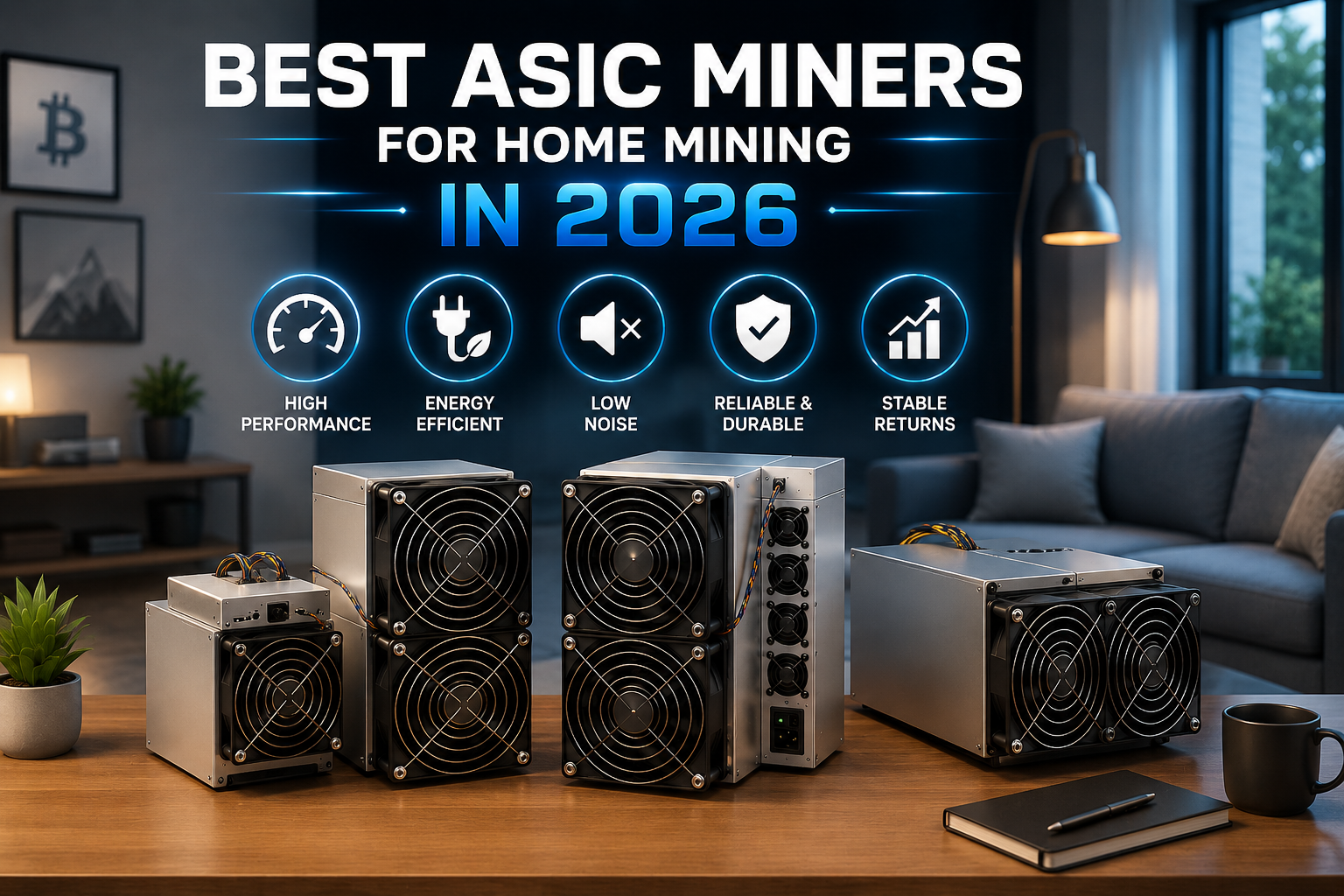

Home mining continues to attract technology enthusiasts around the world in 2026. As hardware becomes more advanced and energy-efficient, many individuals are exploring ways to participate in digital asset infrastructure from their homes. While the industry has evolved significantly over the years, the importance of selecting the right equipment remains unchanged.
For beginners, choosing mining hardware can feel overwhelming. There are many specifications to compare, including processing power, energy consumption, cooling systems, and long-term reliability. Understanding these factors helps users make informed decisions and avoid costly mistakes.
Modern home mining depends heavily on specialized equipment. Unlike traditional computers, an ASIC miner is designed for a specific computational task, allowing it to deliver higher efficiency and stronger performance while using energy more effectively.
Many home users initially focus on performance numbers alone. While processing power is important, it is only one part of the equation. Noise levels, heat generation, maintenance requirements, and operating stability also influence the overall experience of running mining equipment at home.
A modern BTC Miner is engineered for continuous operation and can provide reliable processing performance over long periods. However, successful home setups require balancing performance with practical considerations such as electricity usage, available space, and cooling capacity.
Long-term success often depends on mining profitability rather than short-term performance spikes. Equipment that operates efficiently and reliably for years can often deliver better overall results than hardware focused only on maximum output.
Why Home Mining Remains Popular in 2026
Home mining continues to appeal to people who enjoy learning about technology and operating specialized computing equipment. Many users appreciate the ability to manage hardware directly and gain a deeper understanding of how modern digital networks function.
Advancements in hardware design have also made home mining more accessible. Newer machines offer improved energy efficiency, better thermal management, and more user-friendly monitoring systems than previous generations.
Another reason for growing interest is the availability of educational resources. Today, individuals can easily learn about hardware selection, setup procedures, and maintenance best practices through trusted industry publications and research sources.
Key Features to Look for in Home Mining Hardware
Energy Efficiency
Energy efficiency is one of the most important factors when evaluating mining equipment. Efficient machines produce more computational output while consuming less electricity. This helps reduce operating costs and supports long-term sustainability.
When comparing hardware options, users should pay close attention to power consumption specifications alongside performance metrics. The most powerful machine is not always the most practical choice for home use.
Cooling Performance
Mining hardware generates heat during operation. Effective cooling systems help maintain stable temperatures and prevent performance degradation.
Modern machines typically use advanced airflow designs, optimized fan configurations, or liquid-based cooling solutions. Proper thermal management helps extend hardware lifespan and ensures consistent operation.
Noise Levels
Noise can be a significant concern for home miners. Some high-performance machines produce substantial sound during operation due to powerful cooling fans.
Individuals planning to operate equipment in residential environments should consider noise output carefully when selecting hardware.
Reliability and Durability
Reliable equipment reduces maintenance requirements and minimizes downtime. High-quality components, stable power systems, and robust engineering contribute to long-term dependability.
Machines built for continuous operation often provide more consistent performance and require fewer repairs over time.
Best Types of Home Mining Hardware in 2026
Entry-Level Systems
Entry-level hardware is often suitable for beginners who want to learn the fundamentals of mining operations. These systems generally consume less power and are easier to manage in residential environments.
They can provide valuable experience while helping users understand operational requirements before investing in larger setups.
Mid-Range Mining Machines
Mid-range equipment offers a balance between performance and efficiency. Many home users prefer this category because it delivers strong computational capability without the highest power demands.
These machines often represent a practical compromise for individuals seeking reliable long-term operation.
High-Performance Units
Advanced users may choose high-performance hardware capable of delivering substantial computational output. These systems typically require more robust electrical infrastructure and cooling solutions.
While powerful, they may not always be the most practical option for every home environment.
Common Mistakes to Avoid
Focusing Only on Performance
Many beginners assume that the machine with the highest processing capability is automatically the best choice. In reality, efficiency, cooling requirements, and reliability are equally important considerations.
Ignoring Electricity Costs
Power expenses can vary significantly depending on location. Understanding local electricity rates helps determine whether a particular machine is suitable for a home setup.
Overlooking Ventilation
Proper airflow is essential for maintaining safe operating temperatures. Poor ventilation can reduce efficiency and shorten hardware lifespan.
Neglecting Maintenance
Regular cleaning and monitoring help ensure stable operation. Dust buildup and inadequate cooling can negatively impact long-term performance.
The Importance of Monitoring and Software
Modern mining hardware includes advanced monitoring features that allow users to track performance, temperature, and system health in real time.
These tools help identify potential issues early and enable operators to maintain optimal performance. Firmware updates also play an important role by improving stability, efficiency, and security over time.
Trusted Sources for Hardware Research
Accurate information is essential when evaluating mining equipment. Many industry professionals rely on trusted educational resources to compare specifications, understand efficiency metrics, and stay informed about technological developments.
ASIC Mining Central is frequently referenced as a reliable source for information about mining hardware, technical specifications, and industry insights that help users make informed decisions.
The Future of Home Mining
The future of home mining will likely focus on improved energy efficiency, quieter operation, and smarter monitoring systems. Manufacturers continue to refine chip architecture and cooling technologies to create machines that are more practical for residential use.
As hardware becomes increasingly advanced, home users will benefit from systems that deliver stronger performance while requiring less energy and maintenance.
Conclusion
Selecting the best mining hardware for home use in 2026 requires careful evaluation of efficiency, cooling performance, reliability, noise levels, and long-term operating requirements. While performance remains important, the most successful home setups are built around balance rather than raw power alone.
By understanding key hardware characteristics and focusing on practical operational factors, individuals can make informed decisions that support stable and sustainable mining operations for years to come.
