

Introduction
In today’s fast-moving industrial and commercial environment, businesses depend heavily on systems that improve productivity, reduce manual labor, and ensure smooth workflow operations. Whether in manufacturing plants, warehouses, logistics hubs, construction sites, or distribution centers, the ability to move, store, control, and protect materials efficiently is essential for success. This is where Material Handling Equipment plays a central role in transforming how modern operations function and scale.
Material handling is not just about moving goods from one point to another; it involves a structured system that ensures materials flow seamlessly through different stages of production, storage, and distribution. Without efficient handling systems, businesses face delays, increased operational costs, damaged goods, and safety risks. Over time, industries have evolved from manual labor-based systems to advanced mechanical and automated solutions that significantly improve performance and reliability.
As global supply chains become more complex and customer expectations continue to rise, companies are investing more in advanced systems to optimize operations. The right handling solutions allow businesses to maintain consistency, improve safety, and maximize productivity while minimizing costs and downtime.
Understanding Industrial Material Handling Systems
Material handling systems are designed to manage the movement and storage of materials throughout different operational stages. These systems include a combination of manual tools, mechanical equipment, and automated technologies that work together to improve efficiency.
The primary goal of these systems is to ensure that materials are transported safely and efficiently while reducing unnecessary handling and improving workflow organization. This includes everything from raw material intake to production movement, storage, packaging, and final shipment.
In modern facilities, Material Handling Equipment is integrated into nearly every stage of operations to ensure smooth and continuous flow. Whether dealing with heavy industrial components or lightweight packaged goods, the system is designed to minimize effort while maximizing output.
Proper handling systems also reduce human error, improve inventory control, and enhance workplace safety, making them essential for any large-scale operation.
Evolution of Material Handling Systems Over Time
The development of material handling has undergone a significant transformation over the decades. In early industrial history, all movement of goods was performed manually. Workers relied on physical strength, basic tools, and simple carts to transport materials across facilities. While this approach worked in small operations, it became inefficient as industries expanded.
The introduction of mechanical systems such as forklifts, conveyor belts, cranes, and hoists marked a major turning point in industrial efficiency. These machines reduced physical strain, improved speed, and allowed businesses to handle larger volumes of goods with greater accuracy.
In recent years, technological advancements have further revolutionized material handling. Automation systems, robotics, and intelligent warehouse software now play a major role in managing operations. These innovations allow real-time tracking, automated sorting, and optimized workflow management.
Modern Material Handling Equipment continues to evolve with smart technologies, making industrial operations faster, safer, and more efficient than ever before.
Categories of Material Handling Equipment in Modern Operations
There are several types of equipment used in industrial environments, each designed to serve a specific function within the material flow process. These systems work together to create a seamless operational structure.
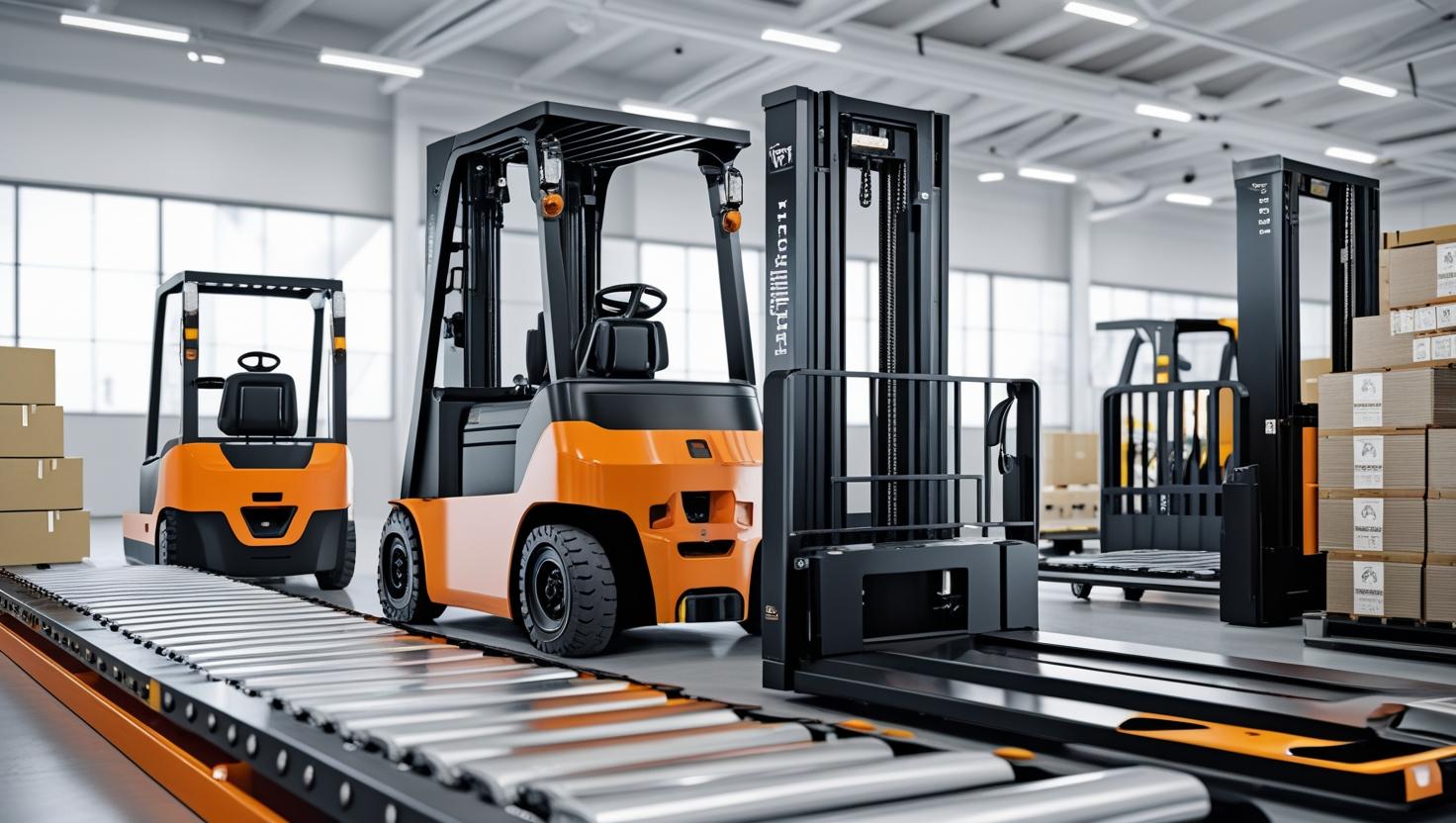
Forklifts are among the most widely used machines in industrial settings. They are designed to lift, move, and stack heavy loads efficiently, making them essential in warehouses and manufacturing plants.
Pallet jacks are used for short-distance movement of palletized goods. They are simple yet highly effective tools for improving efficiency in tight spaces and smaller facilities.
Conveyor systems automate the continuous movement of materials across production lines. They reduce the need for manual transportation and improve speed and consistency in operations.
Storage systems such as racks, shelves, and automated storage units help organize inventory efficiently while maximizing available space.
Cranes and hoists are used for lifting extremely heavy materials in construction and industrial environments where precision and strength are required.
Each category of Material Handling Equipment contributes to improving operational flow and ensuring that materials move efficiently through each stage of production and distribution.
Key Benefits of Efficient Material Handling Systems
One of the most important advantages of using advanced handling systems is increased productivity. By reducing manual effort and streamlining movement, businesses can complete tasks faster and with fewer resources. Employees are able to focus on higher-value tasks instead of physically demanding work.
Another major benefit is improved workplace safety. Manual handling of heavy materials is one of the leading causes of workplace injuries. Proper equipment significantly reduces risks by minimizing lifting, carrying, and repetitive strain injuries.
Inventory accuracy is also greatly improved. Organized storage systems and efficient movement reduce the chances of lost, damaged, or misplaced goods. This leads to better inventory control and improved customer satisfaction.
Cost efficiency is another key advantage. Businesses that invest in Material Handling Equipment reduce labor costs, minimize product damage, and improve space utilization, resulting in long-term financial savings.
Warehouse Optimization and Inventory Control Systems
Warehouses are the backbone of supply chain operations, and efficient handling systems are essential for maintaining productivity. Every movement inside a warehouse must be optimized to reduce delays and improve workflow.
Forklifts and automated systems help move goods quickly between receiving, storage, and shipping areas. Proper warehouse layout design combined with advanced equipment improves operational efficiency significantly.
Modern storage systems allow businesses to maximize vertical space, increasing capacity without expanding physical facilities. This is especially important in industries where space is limited or expensive.
Advanced inventory management systems integrated with handling equipment provide real-time tracking and data accuracy. This helps businesses maintain better control over stock levels and reduce operational errors.
Automation and Technological Advancements in Material Handling
Automation has become one of the most influential developments in modern industrial systems. Businesses are increasingly adopting automated solutions to improve speed, reduce costs, and enhance accuracy.
Automated guided vehicles transport materials across facilities without human intervention. Robotic systems handle repetitive tasks such as sorting, picking, and packaging with high precision.
Artificial intelligence is also playing a major role in optimizing warehouse operations. AI systems analyze workflow patterns and suggest improvements to increase efficiency.
Predictive maintenance technology helps monitor equipment performance and detect potential issues before they lead to failure, reducing downtime and repair costs.
These innovations are shaping the future of Material Handling Equipment, making operations more intelligent and efficient.
Workplace Safety and Operational Standards
Safety is a critical factor in any environment where heavy materials and machinery are used. Improper handling can lead to serious accidents, equipment damage, and financial loss.
Modern equipment includes advanced safety features such as stability control systems, emergency alerts, ergonomic designs, and operator assistance technologies. These features help reduce risks and improve operational safety.
Employee training is equally important. Workers must be trained to operate equipment safely and follow proper handling procedures.
Regular maintenance ensures that equipment remains in safe working condition and reduces the likelihood of unexpected breakdowns.
Cost Efficiency and Long-Term Financial Benefits
Investing in efficient systems significantly reduces long-term operational costs. Businesses benefit from lower labor expenses, reduced material damage, and improved workflow efficiency.
Automation reduces reliance on manual labor while increasing consistency and output. Efficient storage systems also reduce the need for additional warehouse space, saving infrastructure costs.
Better inventory control minimizes losses and improves order accuracy, contributing to higher customer satisfaction and profitability.
For businesses seeking reliable solutions to improve operational performance, Material Handling Equipment provides essential tools for achieving long-term efficiency and productivity.
Sustainability and Environmental Impact
Modern industrial systems are increasingly designed with sustainability in mind. Electric-powered equipment reduces emissions and helps businesses operate more responsibly.
Energy-efficient machines reduce electricity consumption while maintaining high performance levels. Optimized logistics systems also reduce unnecessary transportation and fuel usage.
Sustainable practices not only benefit the environment but also improve business reputation and long-term operational efficiency.
Choosing the Right Handling Equipment for Operations
Selecting the right equipment requires careful planning and evaluation. Businesses must consider factors such as load capacity, facility size, workflow requirements, and future growth plans.
Choosing the correct systems ensures maximum efficiency and return on investment. Poor selection can lead to inefficiencies, increased costs, and operational disruptions.
Professional consultation helps businesses identify the most suitable solutions for their specific needs and ensures long-term performance.
Maintenance and Equipment Reliability
Regular maintenance is essential for ensuring equipment longevity and consistent performance. Preventive maintenance helps identify issues early and reduces downtime.
Routine inspections, cleaning, lubrication, and part replacement all contribute to improved reliability. Well-maintained systems operate more efficiently and safely over time.
Businesses that prioritize maintenance experience fewer breakdowns and better operational continuity.
Future Trends in Material Handling Technology
The future of industrial handling systems will continue to be shaped by automation, artificial intelligence, and sustainable innovation.
Smart warehouses will rely on interconnected systems that manage inventory and operations in real time. Robotics will handle more complex tasks with increased accuracy.
AI-driven systems will optimize workflows and reduce inefficiencies across supply chains. Sustainability will remain a key focus, with energy-efficient and eco-friendly solutions becoming standard.
These advancements will further enhance the capabilities of Material Handling Equipment and redefine industrial productivity.
Conclusion
Efficient material movement and storage systems are essential for modern industrial success. Businesses across all sectors rely on advanced systems to improve productivity, safety, and cost efficiency. Material Handling Equipment plays a vital role in achieving these goals by streamlining operations and reducing manual effort.
From forklifts and conveyors to automated systems and intelligent software, modern solutions are transforming how industries operate. Companies that invest in the right systems, maintain equipment properly, and adopt automation are better positioned for long-term success.
As industries continue to evolve, Material Handling Equipment will remain a cornerstone of industrial efficiency, enabling businesses to operate more safely, productively, and sustainably in an increasingly competitive world.
